Growth Hormone in Bacterial-Infection Models: Phagocytes, Cytokines, and Caution
A short research note on GH and bacterial-infection model literature, focused on phagocytes, cytokines, bactericidal assays, and translation limits.
Read moreResearch articles
Since 2019, ADRIA has built a research-use-only article archive covering peptide literature, analytical documentation, storage, laboratory workflow, and evidence limits. The archive is organized by topic so researchers can move from source review to COA, calculator, and catalogue context quickly.
A short research note on GH and bacterial-infection model literature, focused on phagocytes, cytokines, bactericidal assays, and translation limits.
Read more
A balanced GH immune-response article covering endocrine-immune interaction, cytokine findings, pediatric marker studies, and why conclusions must be limited.
Read more
A research-only article on GHRP-6 and antigen-response model literature, focused on antibody titers, species differences, and study design limits.
Read more
A careful note on GH and autoimmune diabetes literature, centered on mouse-model findings, immune mechanism hypotheses, and translation boundaries.
Read more
A research note on HDL/apoE-mimetic peptide literature in colitis models, centered on COG112, NF-kB signaling, cytokine endpoints, and mouse data limits.
Read more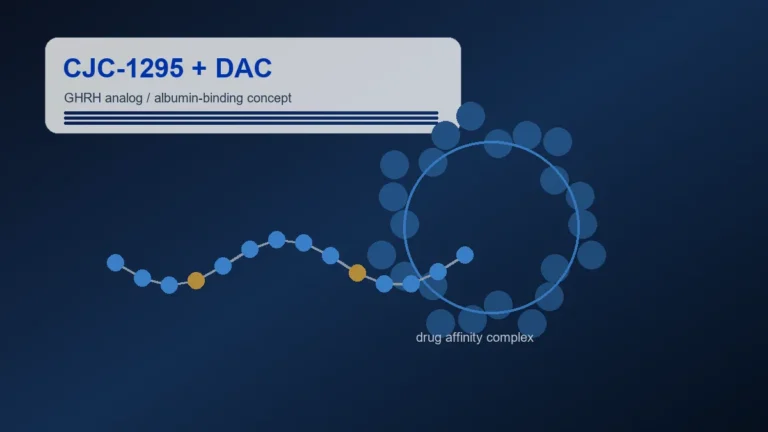
A research-only CJC-1295 + DAC article covering albumin binding, GHRH analog design, GH/IGF-I marker studies, and the need to avoid protocol language.
Read more
A focused Epithalon article on telomerase and telomere literature, with conservative language around aging, fibroblast studies, and replication limits.
Read more
A research-only Semax article focused on ACTH(4-10) analog context, BDNF/NGF marker literature, ischemia-model studies, and source limitations.
Read more
A research-use-only enamel article focused on amelogenin-derived peptides, biomimetic remineralization assays, hydroxyapatite formation, and in vitro study limits.
Read more