
KPV COA Explained: Reading the Report for Batch 2027602

Read KPV report LYO-0791: match batch 2027602, interpret 10.48 mg content, >99.8% purity and 0.157 EU/mg endotoxins.
Certificate of Analysis, batch record, purity profile, and analytical documentation topics.
Read KPV report LYO-0791: match batch 2027602, interpret 10.48 mg content, >99.8% purity and 0.157 EU/mg endotoxins.

Learn how to verify a peptide COA: match batch numbers, confirm laboratory records, review methods and results, and spot gaps in report traceability.
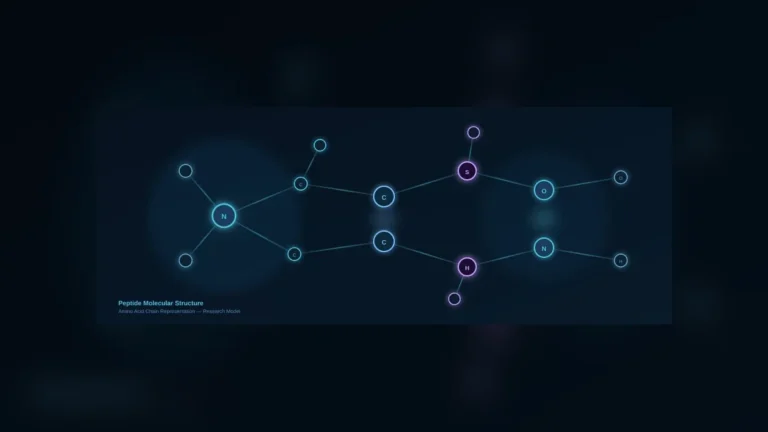
A research-use overview of GHRP-6, its growth-hormone secretagogue literature, receptor context, analytical handling, and documentation expectations.

A clear Adria statement on why quality claims should be tied to batch records, COA review, analytical methods, and traceable supplier documentation.
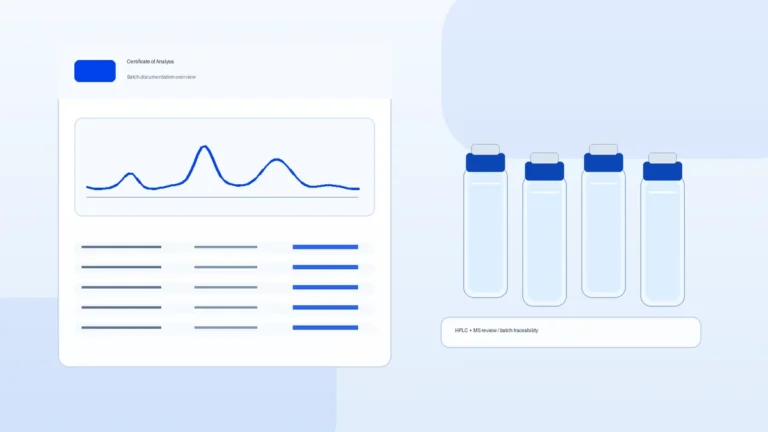
A documentation-first view of research peptide quality, focusing on COA traceability, analytical methods, and why unsupported purity claims are not enough.

A balanced Thymosin Alpha 1 overview using review literature while avoiding cancer, infection, or immune-outcome claims on the Adria blog.

A technical Adria research note on solid-phase peptide synthesis, Fmoc-SPPS, purification, lyophilization, and why batch documentation matters.

A rebuilt article on the Bar-Ilan Pyk2-PRR2 peptide study, focused on invadopodia biology, cortactin interaction, and preclinical evidence limits.
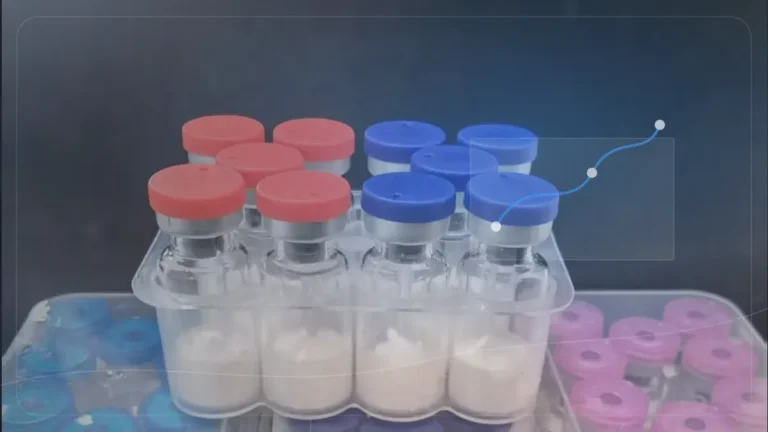
A broad peptide research article reframed around evidence tiers, peptide characterization, delivery constraints, and why documentation matters more than hype.

A method-focused rewrite about monitored parameters in COVID-19 Thymosin Alpha 1 studies, emphasizing endpoints and limits rather than intervention claims.
We use cookies for analytics and marketing. Select OK to accept all optional cookies, or choose Manage. Privacy Policy