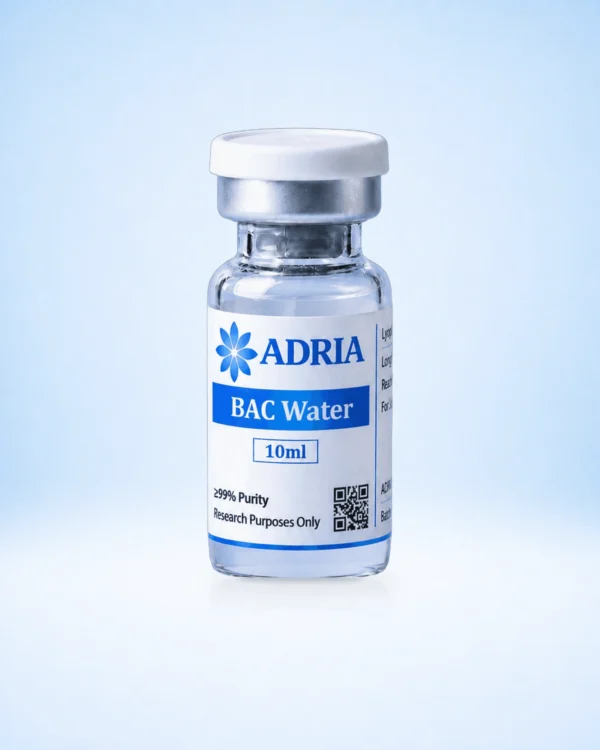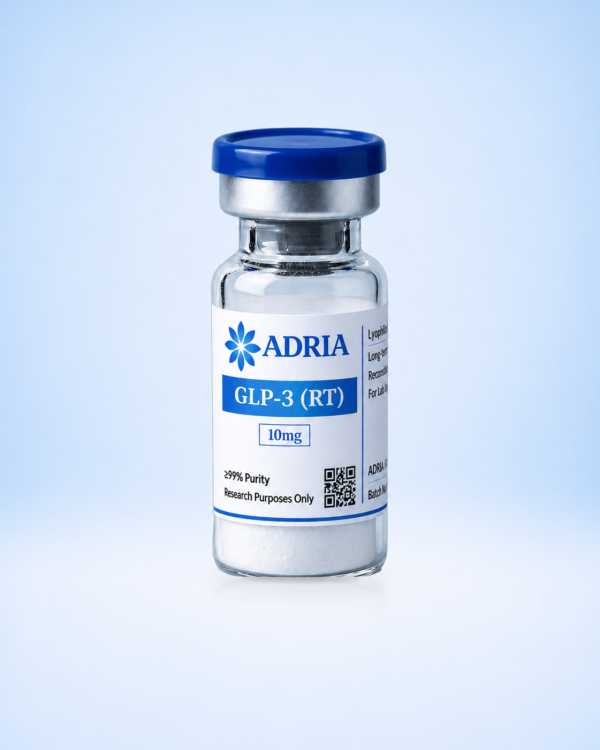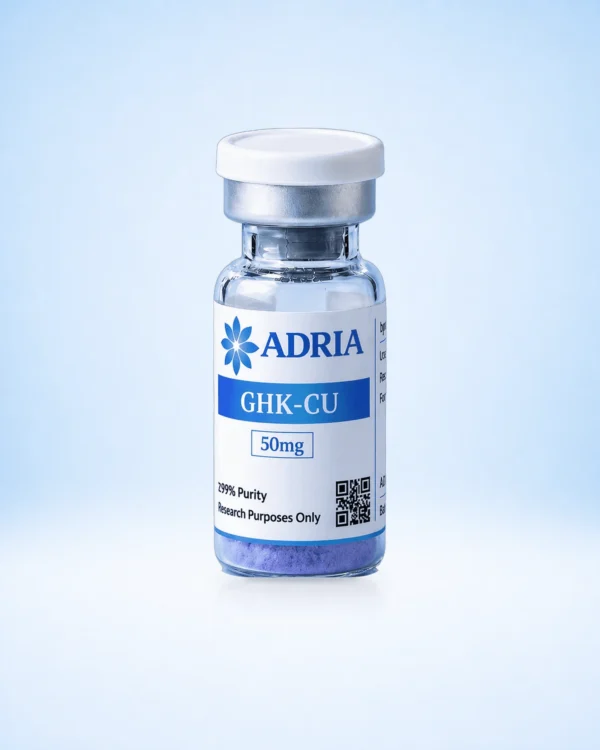
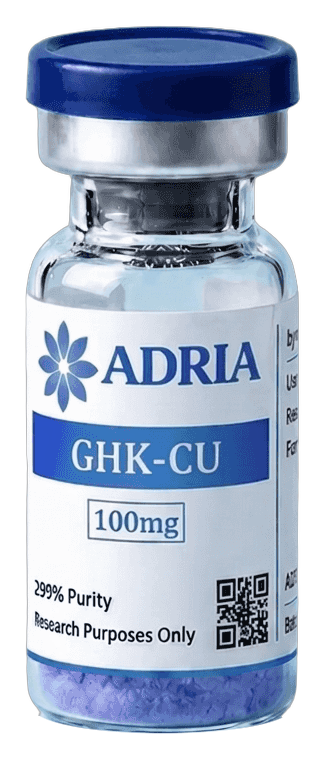
2× GHK-Cu
100 mg
62,00 € per vial
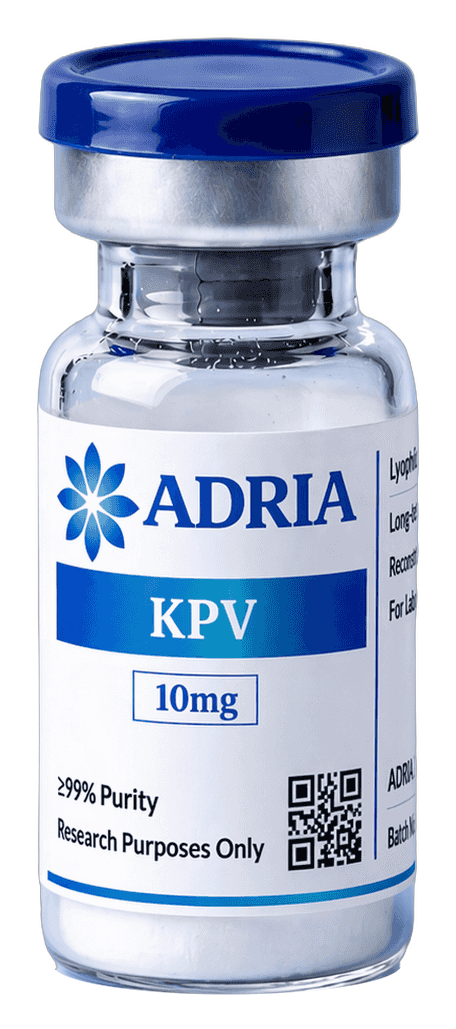
2× KPV
10 mg
38,50 € per vial
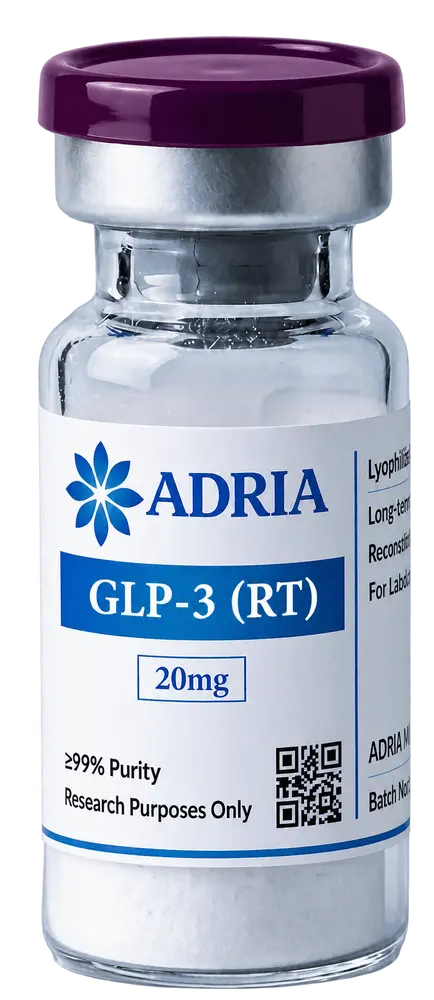
2× Retatrutide
20 mg
128,50 € per vial
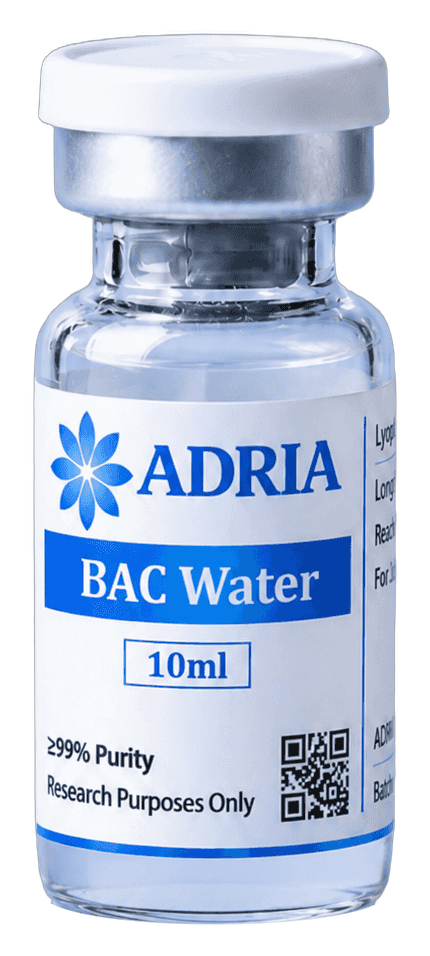
1× Bacteriostatic Water
10 ml
11,32 € per vial
Research bundles
Balance Bundle
Low stock
Order within — to ship today
Arrives 26 – 30 November to Europe


 Shown at checkout
Balance Bundle
Original price was: 469,32 €.380,90 €Current price is: 380,90 €.
Bring retatrutide, KPV and GHK-Cu into one selection spanning metabolic signalling, inflammatory-pathway experiments and copper-peptide biology. Balance combines complementary research themes with clear strengths, included BAC Water and a saving calculated from the complete component value.
Every compound, clearly identified
Specifications
GHK-Cu · 100 mg
Molecular profile
- Sequence
- Gly-His-Lys
- Molecular mass
- 401.91 g/mol
- CAS number
- 89030-95-5
- Molecular formula
- C14H22CuN6O4
Material record
- Physical appearance
- Blue to blue-green lyophilized powder
- Salt form
- 1:1 GHK–Cu(II) complex
- Solubility
- Soluble in bacteriostatic water and suitable aqueous laboratory solvents.
- Product note
- Copper-binding tripeptide complex; supplied strictly for research use only.
KPV · 10 mg
Molecular profile
- Sequence
- Lys-Pro-Val
- Molecular mass
- 342.43 g/mol
- CAS number
- 67727-97-3
- Molecular formula
- C16H30N4O4
Material record
- Physical appearance
- White to off-white lyophilized powder
- Solubility
- Soluble in bacteriostatic water and suitable aqueous laboratory solvents.
- Product note
- Alpha-MSH tripeptide fragment; supplied strictly for research use only.
Retatrutide · 20 mg
Molecular profile
- Sequence
- Y-Aib-QGTFTSDYSI-alphaMeLeu-LDKK(AEEA-gamma-Glu-C20 diacid)-AQAibAFIEYLLEGGPSSGAPPPS-NH2
- Molecular mass
- 4731.4 g/mol
- CAS number
- 2381089-83-2
- Molecular formula
- C221H342N46O68
Material record
- Physical appearance
- White to off-white lyophilized powder
- Solubility
- Soluble in bacteriostatic water and suitable aqueous laboratory solvents.
- Product note
- GLP-3 research compound; supplied strictly for research use only.
Bacteriostatic Water · 10 ml
Molecular profile
- Molecular mass
- Water: 18.015 g/mol; benzyl alcohol: 108.14 g/mol.
- CAS number
- Water: 7732-18-5; benzyl alcohol: 100-51-6.
- Molecular formula
- Water: H2O; benzyl alcohol: C7H8O.
Material record
- Physical appearance
- Clear, colourless aqueous solution.
- Solubility
- Aqueous solution; miscible with water.
- Product note
- Aqueous laboratory solvent formulation containing 0.9% benzyl alcohol preservative with a pH range of 4.5–7.0; supplied strictly for research and laboratory use.
The research behind the combination
Connect metabolic, inflammatory and matrix research
Balance takes a broader view of cellular response. Retatrutide contributes multi-receptor metabolic research, KPV adds work on inflammatory signalling, and GHK-Cu contributes matrix-related biology. The selection is organised around how those different questions can be considered within one research programme.
The mechanistic rationale is complementary coverage. KPV studies have examined PepT1-mediated uptake and inflammatory signalling in experimental systems; this is a different line of investigation from retatrutide receptor work or copper-peptide matrix studies. Keeping each material separate allows those contributions to be distinguished in an appropriate study design.
The bundle simplifies ordering across these three themes. Exact quantities, strengths and component reports remain visible, and the included BAC Water is counted when showing the full reference value and saving.
- Three complementary research themes
- Separate materials for clear comparisons
- Full reference value includes BAC Water
Explore the individual components
GHK-Cu · 100 mg
Description of GHK-Cu
The human copper-binding peptide GHK-Cu (glycyl-l-histidyl-l-lysine) is a naturally occurring tri-peptide found in human plasma and released from tissues during injury. Discovered in 1973, GHK-Cu has established itself as a extensively studied protective and regenerative compound, widely used in skin and hair products. In research and cosmetic contexts, GHK-Cu has been associated with tightening loose skin, repairing protective skin barrier proteins, and improving skin firmness, elasticity, and clarity. It has been studied in relation to fine lines, wrinkles, and photodamage, and smoothing rough skin. Additionally, GHK-Cu has been investigated for its role in wound healing, protection of skin cells from UV radiation, reduction of inflammation and free radical damage, and enhancement of hair growth and thickness. Its effects are largely attributed to its ability to bind copper(II) ions, playing a crucial role in copper metabolism. Recent research, utilizing the Connectivity Map from the Broad Institute, has shown that GHK-Cu can up- and down-regulate numerous human genes, linking its biological effects to changes in gene expression.
Mechanism of Action
GHK-Cu binds copper ions and incorporates them into regenerative metabolic pathways, activating:
- Collagen Synthesis → Promotes tissue rebuilding, skin firmness, and scar repair
- Angiogenesis → Supports new blood vessel formation for improved tissue healing
- Antioxidant Enzymes → Protects against free radicals and cellular stress
- Gene Regulation → Activates over 4,000 genes involved in healing, anti-inflammation, and anti-aging processes
Further research on GHK-Cu reveals its presence in human blood plasma, urine, and saliva. Animal studies indicate that GHK-Cu can significantly influence wound healing, immune function, and skin health by stimulating collagen production, promoting blood vessel growth, and supporting fibroblast activity.
Why Choose GHK-Cu?
- GHK-Cu is unique among peptides for its targeted regenerative and anti-aging effects.
- While many peptides focus on fat loss or muscle gain, GHK-Cu directly supports skin, connective tissue, and cellular repair.
- It is one of the most respected peptides in both aesthetic and regenerative medicine research, valued for its safety, biological compatibility, and broad spectrum of action.
Order GHK-Cu and explore its potential in regeneration, skin rejuvenation, and advanced anti-aging research.
Now we would like to bring you closer to the effects of the peptide, which have been researched and confirmed in studies.
Overview of Published Research
GHK-Cu (glycyl-L-histidyl-L-lysine copper complex) is a naturally occurring peptide in human plasma, saliva, and urine that declines with age. Known for its extensively researched protective and regenerative properties, GHK-Cu has been shown to accelerate wound healing and skin repair by stimulating the synthesis and breakdown of collagen, glycosaminoglycans, and other extracellular matrix components. It modulates the activity of metalloproteinases and their inhibitors, promoting the healing of various tissues such as skin, hair follicles, and bones. In cosmetic products, GHK-Cu has been studied in the context of tightening loose skin, improving elasticity and firmness, reducing fine lines, wrinkles, and hyperpigmentation, and enhancing overall skin appearance. Additionally, it has been investigated for potential relevance to conditions like skin inflammation, chronic obstructive pulmonary disease, and metastatic colon cancer, owing to its ability to regulate thousands of human genes, with observed effects on resetting DNA expression patterns.
Recent studies have highlighted GHK-Cu's role in modulating key growth factors involved in wound healing and skin regeneration. Transforming growth factor β (TGF-β) and insulin growth factor (IGF) are crucial in these processes, with GHK-Cu shown to decrease IGF-2-dependent TGF-β1 secretion in dermal fibroblasts, potentially preventing hypertrophic scar formation. Furthermore, GHK-Cu encapsulated in liposomes has been demonstrated to accelerate scald wound healing in mice by promoting cell proliferation and angiogenesis, enhancing the expression of vascular endothelial growth factor and fibroblast growth factors, and improving the overall healing process. These findings underscore the peptide's potential as a subject of further research in skin regeneration and wound healing.
In vitro studies have highlighted the promising antimicrobial activity of Gly-His-Lys conjugates as candidates for further research into skin and tissue infections. These studies explored novel compounds, including fatty acid conjugates with modified Gly-His-Lys sequences. The antimicrobial efficacy of these compounds ranged from strong to moderate. Notably, compound 1d exhibited the most potent activity against Escherichia coli and Staphylococcus aureus with MIC ranges of 31.3–125.0 μg/mL and against Pseudomonas aeruginosa with MIC ranges of 375.0–500.0 μg/mL. Conjugate 5b showed significant activity against Staphylococcus aureus and Escherichia coli at MIC ranges of 250.0–500.0 μg/mL and 62.5–125.0 μg/mL, respectively. Both 1d and 5b demonstrated rapid bactericidal effects against Gram-positive bacteria. Additionally, compounds 1d, 1e, and 2e showed notable antifungal activity.
A multicenter, randomized, evaluator-blinded, placebo-controlled clinical study evaluated the effectiveness of the glycyl-L-histidyl-L-lysine copper complex (lamin Gel) in treating diabetic neuropathic ulcers. Patients adhered to a standardized wound care protocol, including sharp debridement, daily drug application, pressure-relieving footwear, and diabetes management education. Treatment with lamin Gel significantly improved ulcer closure rates, achieving a median area closure of 98.5% compared to 60.8% for the control group. The rate of closure was three times faster with lamin Gel, particularly for larger ulcers (greater than 100 mm²), which showed an 89.2% closure compared to -10.3% for the control. Immediate treatment post-debridement was crucial for optimal results. Additionally, the incidence of ulcer infections was significantly lower in the lamin Gel group (7%) compared to the control (34%).
An experimental study on the effects of topical glycyl-L-histidyl-L-lysine tripeptide-copper complex (TCC) on ischemic open wounds in rats further supported the observed activity of GHK-Cu. Rats treated with TCC showed a significant decrease in wound area compared to control and vehicle groups. By day 13, the TCC group exhibited a 64.5% reduction in wound area, outperforming the vehicle (45.6%) and control (28.2%) groups. TCC-treated wounds also had significantly lower concentrations of TNF-alpha and MMP-2 and MMP-9, indicating reduced inflammation and enhanced healing. These findings suggest that TCC could be of research interest as an approach for chronic wounds in various species, including humans.
Overall, GHK-Cu has shown notable results in research models of diabetic ulcers and ischemic open wounds compared to standard care alone. Its combination with certain fatty acids creates a potent antimicrobial compound with activity against bacteria and fungi, with observed reductions in infection rates and acceleration of wound healing. These findings warrant further research evaluation of GHK-Cu in the context of wound care.
Neurodegeneration, characterized by the progressive death of neurons and cognitive decline, is a growing concern among senior populations, with limited effective research approaches available. One compound of research interest is the human peptide GHK (glycyl-L-histidyl-L-lysine), a copper-binding peptide known for its diverse biological actions that have been studied in the context of aging-related diseases and conditions. GHK has shown effects on various tissues, including chondrocytes, liver cells, and human fibroblasts, as documented in research. Importantly, studies using the Broad Institute Connectivity Map have demonstrated that GHK can modulate gene expression, with observed effects on resetting pathological patterns toward healthier states.
In research focused on the nervous system, GHK has demonstrated neuroprotective effects in models of neurodegenerative diseases and improved tissue regeneration. A study on rats with intracerebral hemorrhage (ICH) revealed that GHK pretreatment significantly improved neurological deficits, reduced brain water content, and inhibited neuronal apoptosis. The peptide's effects were mediated through the downregulation of miR-339-5p expression, which was found to be part of the p38 MAPK pathway. Additionally, GHK's influence on the miR-339-5p/VEGFA axis played a crucial role in preventing neuronal apoptosis following ICH injury. These findings suggest that GHK could represent a novel area of research investigation for conditions like ICH.
GHK-Cu, a variant of the peptide found in high concentrations in the brain, has been studied for its ability to counteract age-associated decline in neuron function. Research indicates that GHK-Cu influences angiogenesis in the nervous system, nerve outgrowth, and central nervous system inflammation. It appears to reset pathological gene expression, with observed effects on restoring function in dysfunctional systems. In rat models, GHK-Cu's neuroprotective effects were evident through improved neurological deficits, reduced brain swelling, and inhibition of neuron death. These effects were particularly notable in the context of overexpression of miR-339-5p following brain injuries such as bleeds and strokes, underscoring GHK-Cu's potential as a research subject in the context of neurodegeneration.
GHK peptide shows promise in inhibiting bleomycin-induced pulmonary fibrosis in mice by suppressing the TGF-β1/Smad-mediated epithelial-to-mesenchymal transition (EMT). Pulmonary fibrosis, an irreversible and progressive lung disease, lacks effective treatments. It occurs after therapy with bleomycin – cancer drug. GHK, a tripeptide known for its role in tissue regeneration and wound healing, was tested for its effects on bleomycin-induced fibrosis. Mice were administered GHK intraperitoneally at various doses following bleomycin instillation. Results demonstrated that GHK treatment reduced inflammatory cell infiltration, improved collagen deposition, and balanced MMP-9/TIMP-1 levels. It also decreased TNF-α, IL-6 in bronchoalveolar lavage fluid, and myeloperoxidase activity in lung extracts. GHK further inhibited TGF-β1, p-Smad2, p-Smad3, and IGF-1 expression, indicating its potential as a subject of further research in pulmonary fibrosis by targeting the TGF-β1/Smad 2/3 and IGF-1 pathways.
GHK-Cu, the copper-bound form of the peptide, also exhibits protective effects against lipopolysaccharide (LPS)-induced acute lung injury (ALI) in mice. GHK-Cu treatment reduced reactive oxygen species (ROS) production, increased superoxide dismutase (SOD) activity, and decreased TNF-α and IL-6 production by inhibiting NF-κB p65 and p38 MAPK signaling in LPS-induced macrophages and ALI models. This treatment alleviated lung histological alterations and suppressed inflammatory cell infiltration, demonstrating GHK-Cu's potential as a novel research subject for ALI and acute respiratory distress syndrome (ARDS) by mitigating excessive inflammatory responses.
Research highlights the observed activity of GHK-Cu in protecting lungs from fibrosis following bleomycin therapy, suggesting its potential interest as a chemotherapy adjuvant research subject to investigate increased medication doses without exacerbating side effects. GHK-Cu regulates inflammatory molecules TNF-α and IL-6, with observed effects on fibrotic remodeling and collagen deposition in the lungs. Similarly, GHK-Cu showed notable findings in mouse models of ARDS, reducing TNF-α and IL-6 expression, and demonstrating a protective effect against this rapid and potentially fatal inflammatory lung condition. These findings support further research into GHK-Cu in the context of various lung injuries and diseases.
GHK-Cu exhibits promising analgesic and anti-aggressive effects in rat models, particularly in response to pain-induced aggressive-defensive behavior. Administered intraperitoneally in doses ranging from 5 to 150 μg/kg, GHK-Cu demonstrated significant pain relief and reduction in aggressive behavior in a foot-shock model. The key to these effects lies in the L-lysine residue within the GHK peptide, as similar analgesic and anti-aggressive effects were observed with L-lysine administration at equivalent doses.
Furthermore, the peptide's activity extends to interactions with L-arginine, another amino acid with analgesic properties. Research has shown that combining arginine with glyprolines to form specific peptides can produce intrinsic regulatory effects on pain and aggression. This suggests that GHK-Cu and related peptides could be investigated as potential non-addictive research alternatives in the context of pain management, alongside opiate medications and NSAIDs, which are known for their potential side effects, including negative impacts on cardiovascular health. These findings highlight the research interest of GHK-Cu in pain-related studies, opening a potential avenue for developing safer pain relief approaches.
For laboratory purposes and personal observation only. Not for human consumption.
KPV · 10 mg
Description of KPV
KPV, a tripeptide composed of lysine, proline, and valine, exhibits potent anti-inflammatory properties, although its mechanisms of action have remained elusive. Studies aimed to investigate the role of PepT1, a di/tripeptide transporter, in mediating the anti-inflammatory effects of KPV in intestinal epithelial and immune cells. Results demonstrate that nanomolar concentrations of KPV inhibit NF-kappaB and MAP kinase inflammatory signaling pathways, leading to a reduction in pro-inflammatory cytokine secretion. Notably, KPV acts through PepT1 expressed in both immune and intestinal epithelial cells. Furthermore, oral administration of KPV reduces the incidence of colitis induced by dextran sulfate sodium (DSS) and 2,4,6-trinitrobenzene sulfonic acid (TNBS), highlighting its potential as a research compound in the context of inflammatory bowel disease (IBD). The peptide was studied also for wound healing, scar formation, and other mostly anti-inflammatory properties.
Overview of Published Research
Mice treated with KPV display markedly diminished colonic infiltration and maintain normal colon lengths compared to control counterparts, underscoring its potential in mitigating inflammatory conditions in research models. Notably, KPV's impact seems concentrated in settings of heightened inflammation, with minimal effect on normal tissue. This selectivity is attributed to its utilization of PepT1, a transporter upregulated during inflammatory states, suggesting KPV's potential interest as a research subject in the context of inflammatory bowel disease (IBD). Furthermore, insights into KPV's mechanism of action propose a novel approach to drug delivery, targeting proteins modulated in disease conditions to concentrate drug activity. This approach holds promise for investigating the reduction of dosage of drugs with severe side effects and developing research compounds tailored to specific disease states.
Professor Didier Merlin's investigations into KPV's gastrointestinal activity have revealed its potential to enter colonic cells via PepT1, predominantly expressed during inflammatory states, elucidating its enhanced activity in inflamed settings. This finding not only supports KPV's candidacy as a research compound for IBD investigation but also unveils a paradigm for drug delivery, exploiting alterations in protein expression to enhance drug localization and activity. Such targeted delivery strategies offer the prospect of minimizing drug dosages with adverse effects while maximizing research impact, opening a new area of investigation in precision approaches for diverse disease states.
Studies investigating the effect of α-MSH and related tripeptides, such as KPV, on fever and inflammation underscore their potential as anti-inflammatory research compounds. Specifically, α-MSH has exhibited potent anti-inflammatory and protective effects both in vitro and in vivo, impacting various pathways involved in inflammation regulation and protection. While α-MSH presents pigmentary concerns, its C-terminal tripeptide, KPV, has emerged as a promising alternative for anti-inflammatory research, devoid of pigmentary action yet preserving anti-inflammatory activity. Moreover, K(D)PT, a derivative of KPV, has also demonstrated potent anti-inflammatory effects, offering further research potential in the context of immune-mediated inflammatory diseases affecting the skin, bowel, eyes, and joints.
Research spanning decades has elucidated the anti-inflammatory properties of KPV and its parent molecule, α-MSH, in a diverse array of inflammatory conditions, including fever, dermatitis, vasculitis, arthritis, and gastrointestinal inflammation. While α-MSH remains the most effective anti-inflammatory agent studied, its pigmentary side effects pose limitations. However, KPV's comparative lack of side effects suggests its potential as a research alternative, albeit with slightly reduced potency. Notably, while KPV may be less potent than α-MSH, it still exerts considerable anti-inflammatory effects, particularly in mitigating immediate inflammatory responses. Ongoing research aims to uncover the precise mechanisms underlying these differential responses, providing insights into immune modulation and inflammation regulation.
The synthesis and evaluation of His-Phe-Arg-Trp-NH2 and its derivatives have revealed promising antifungal properties, particularly against Cryptococcus neoformans, suggesting a potential research avenue in investigating fungal infections. These tetrapeptides exhibit antifungal activity akin to alpha-melanocyte-stimulating hormone (α-MSH), and theoretical calculations have elucidated their biologically relevant conformation and minimal structural requirements for antifungal response, guiding future compound design. Moreover, α-MSH and its derivatives, like KPV, have garnered research interest for their activity in wound healing, particularly in minimizing scar formation and fostering a more regenerative healing process.
Recent studies highlight the potential of α-MSH analogues, such as KPV, in influencing wound healing outcomes by reducing inflammation and promoting scarless healing. Alpha-MSH's anti-inflammatory activity, mediated via the melanocortin 1 receptor (MC-1R), has been associated with its ability to modulate immune responses and influence tissue repair. Analogues like KPV offer anti-inflammatory and antimicrobial properties, representing a promising research approach for wound healing investigation without inducing undesirable pigmentation or inhibiting the body's natural defense mechanisms against infection. Furthermore, ongoing research explores the structural basis of KPV's antifungal effects, suggesting its potential as a structural model for the development of novel antifungal research compounds with improved activity and selectivity.
Skin wound healing is a complex process in adult mammals, often resulting in scar tissue formation. Alpha-melanocyte-stimulating hormone (α-MSH) is distributed widely in the central nervous system and skin, exhibiting strong anti-inflammatory activity. The study aimed to assess whether intraperitoneal injection of α-MSH before skin wounds could reduce inflammation and influence wound healing in adult mice. Adult mice received an injection of 1 mg/kg of α-MSH before creating skin wounds. Wound healing was evaluated macroscopically and microscopically over 60 days. α-MSH reduced leukocytes, mast cells, and fibroblasts at 3 and 7 days post-injury, while also decreasing scar area and improving collagen fiber organization at days 40 and 60, indicating its potential to promote a more regenerative wound healing pathway in the studied model.
The research on modulatory effects of NDP-MSH, analogue of α-MSH, in regenerating rat livers post partial hepatectomy (PH) reveals its potential to influence liver molecular changes induced by surgery. NDP-MSH treatment significantly altered the expression of various transcripts, including chemokines, receptors, and cell cycle mediators, influencing critical signaling pathways like the interleukin-6 (IL-6)/signal transducer and activator of transcription (STAT)/suppressor of cytokine signaling (SOCS) axis. While NDP-MSH did not substantially affect the final organ regeneration, it exerted subtle influences on hepatocyte replication and gene expression, suggesting its potential effects during liver regeneration research.
In experimental heart transplantation, NDP-alpha-MSH, a synthetic analogue of alpha-melanocyte-stimulating hormone (α-MSH), demonstrated protective activity by influencing various molecular pathways associated with heart function preservation. The peptide induced expression of cytoskeleton proteins, intracellular kinases, and transcription regulators while repressing immune and inflammatory mediators, leading to down-regulation of oxidative stress response and up-regulation of ion channels and metabolic pathways. These findings suggest that NDP-alpha-MSH may be of research interest in the context of organ transplantation by influencing heart function through its broad effect on multiple pathways, including both Ag-dependent and -independent injury.
Additionally, research on acute lung injury induced by bleomycin instillation in rats highlights the research potential of NDP-alpha-MSH in reducing inflammation and pulmonary edema. The peptide treatment mitigated bleomycin-induced transcriptional alterations in genes involved in stress response, inflammation, and fluid homeostasis, leading to a significant reduction in interstitial edema and down-regulation of proinflammatory and profibrotic factors.
α-Melanocyte-stimulating hormone (α-MSH) has emerged as a potent anti-inflammatory mediator, acting via melanocortin receptors (MC-Rs) expressed in various tissues. It modulates inflammatory responses through pathways like NF-κB activation, cytokine expression, and T-cell activity. While effective, its pigment-inducing capacity limits its use in research. However, its C-terminal tripeptide, KPV, preserves anti-inflammatory properties without inducing pigmentation. Despite lacking MC-R binding motifs, KPV exhibits significant anti-inflammatory effects, making it a promising candidate for research into peptide compounds in immune-mediated inflammatory diseases like skin conditions, bowel diseases, asthma, and arthritis.
Studies comparing KPV with core MSH peptides reveal distinct anti-inflammatory mechanisms. Unlike core peptides, KPV's effects are not mediated through MC-Rs, suggesting alternative pathways such as IL-1β inhibition. Moreover, transdermal delivery studies highlight KPV's potential for diverse administration routes in research settings. While alpha-MSH is more potent, KPV's lack of side effects and ease of administration make it a subject of research interest. Its broad anti-inflammatory effects and multiple administration routes offer versatility in targeting different areas of the body in research models, promising further investigation into inflammatory disorder mechanisms.
Retatrutide · 20 mg
Description of GLP-3
GLP-3 is a synthetic peptide that acts as a triple agonist of the GCG-like peptide-1 (GLP-1), glucose-dependent insulinotropic polypeptide (GIP), and GCG receptors. This combinatorial receptor signaling enables simultaneous modulation of multiple metabolic pathways. In contrast to earlier GLP-1 receptor agonists, which primarily target appetite suppression and glycemic improvement, GLP-3 leverages GCG receptor activation to stimulate lipolysis and elevate basal metabolic rate, thereby contributing to a more pronounced and sustained reduction in adiposity as observed in research models.
The GLP-1 and GIP receptors play essential roles in augmenting insulin secretion and glucose homeostasis, whereas GCG receptor engagement elevates circulating GCG levels, promoting catabolic processes. Through this triagonist mechanism, GLP-3 has been observed in studies to reduce caloric intake and influence glycemic control while also affecting energy expenditure. This comprehensive modulation of energy balance represents a novel research strategy in the investigation of obesity, type 2 diabetes, and related metabolic disorders.
Key Research Findings
- Triple Receptor Activation: Simultaneous stimulation of GLP-1, GIP, and Glucagon receptors for enhanced metabolic efficiency.
- Appetite & Energy Regulation: Influences central mechanisms of appetite control and promotes caloric expenditure.
- Glucose & Lipid Metabolism: Supports improved insulin sensitivity, glucose homeostasis, and fat oxidation.
- Body Composition: Studied for its potential to reduce body fat while preserving lean mass.
Why Choose Retatrutide?
- Retatrutide is one of the most advanced multi-agonist peptides currently under investigation.
- Through its synergistic activation of GLP-1, GIP, and Glucagon receptors, it provides unique insights into the hormonal regulation of energy balance, fat metabolism, and appetite control.
Order Retatrutide and explore its potential in the next generation of metabolic and weight management research.
Overview of Published Research:
GLP-3 represents a novel generation of research compounds in the anti-obesity and antidiabetic field, characterized by its unique mechanism of action involving the simultaneous activation of three metabolically relevant receptors: the GCG-like peptide-1 receptor (GLP-1R), the glucose-dependent insulinotropic polypeptide receptor (GIPR), and the GCG receptor (GCGR). This triple agonism allows for an integrated modulation of key pathways regulating body weight and metabolic homeostasis. GLP-1 and GIP are incretin hormones that have been shown to influence insulin secretion, appetite, and glycemic control, while GCG primarily stimulates lipolysis, increases energy expenditure, and promotes fatty acid oxidation. As a synthetic peptide with an extended half-life, GLP-3 consolidates these effects into a once-weekly injectable formulation studied in clinical trials.
The activity of GLP-3 has been evaluated in several randomized phase 2 clinical trials, demonstrating significant weight reduction. After 48 weeks of treatment, participants receiving 8 mg and 12 mg doses experienced a mean body weight reduction of 22.8% and 24.2%, respectively—an outcome comparable to bariatric surgery. Additional observations included decreases in body mass index (BMI), waist circumference, fasting plasma glucose, HbA1c, and blood pressure. These effects were dose-dependent and particularly pronounced at higher doses. Notably, GLP-3 also exerted a substantial impact on hepatic steatosis, with liver fat volume reduced by up to 82.4% at 12 mg after 24 weeks. A considerable proportion of participants achieved a liver fat content below the threshold for steatosis (<5%), indicating research promise for metabolic liver diseases such as nonalcoholic steatohepatitis (NASH).
Given the high global prevalence of obesity and its strong association with type 2 diabetes and other chronic diseases, GLP-3 emerges as a highly promising research candidate. Ongoing phase 3 trials aim to further establish its long-term safety profile and observed activity. If positive, GLP-3 may be positioned as one of the most significant research innovations in the obesity field in recent decades.
Recent phase 2 clinical trial data evaluating the activity and safety of GLP-3 in subjects with type 2 diabetes demonstrate its pronounced effects on both glycemic control and body weight reduction. In one of the studies, patients with a mean baseline body mass index (BMI) of 35.3 kg/m² and an average HbA1c of 8.3% were randomized to receive varying doses of GLP-3 (ranging from 1 mg to 12 mg) or placebo over a 36-week study period. GLP-3 exhibited a clear dose-dependent reduction in HbA1c, with the highest dose (12 mg) achieving a mean HbA1c reduction of 2.16 percentage points from baseline, compared to only 0.43% in the placebo group—an effect that was statistically highly significant.
In addition to glycemic changes, a substantial reduction in body weight was also observed. Participants receiving the 12 mg dose of GLP-3 experienced a weight loss of up to 16.94%, corresponding to approximately 17.5 kg, while the placebo group showed a reduction of only 3.29%. The weight loss was consistent throughout the study period and showed a continued downward trend beyond week 36, suggesting a potential for sustained long-term activity. These findings highlight the dual observations with GLP-3 in subjects with type 2 diabetes, combining pronounced glucose-lowering effects with notable anti-obesity properties—particularly relevant given the strong association between obesity, insulin resistance, and impaired glycemic control.
GLP-3, as a triple agonist targeting GLP-1, GIP, and GCG receptors, holds significant promise as a research compound in the investigation of type 2 diabetes—not only through its observed influence on glycemic parameters but also via its substantial impact on weight reduction. Its activity in diabetic study populations approaches outcomes observed in individuals with obesity without diabetes, indicating its potential as a next-generation subject of investigation. These results may inform further research into more individualized approaches in subjects with diabetes and metabolic syndrome, especially in those with significant overweight or obesity.
Metabolic dysfunction-associated steatotic liver disease (MASLD), formerly known as non-alcoholic fatty liver disease (NAFLD), is the most prevalent chronic liver disorder worldwide, with an increasing incidence driven by the global rise in obesity and metabolic syndrome. Pathophysiologically, MASLD is strongly associated with insulin resistance, leading to hepatic lipid accumulation, inflammation, and in advanced stages, fibrosis and cirrhosis.
GLP-3, a novel triple agonist of the GIP, GLP-1, and GCG receptors, has demonstrated significant hepatoprotective effects in research involving individuals with MASLD. In a phase 2 substudy that included participants with hepatic fat content ≥10%, 48-week administration of GLP-3 resulted in a robust, dose-dependent reduction in liver fat. At doses of 8 mg and 12 mg, participants achieved a mean relative reduction in hepatic fat content of 81.4% and 82.4%, respectively, at week 24 (versus +0.3% in the placebo group), with normalization of liver fat content (<5%) observed in 79% and 86% of participants. These effects were sustained at week 48, with 89% and 93% of participants maintaining hepatic fat levels below the steatosis threshold. Additionally, liver volume decreased significantly, and improvements were observed in biomarkers of hepatic injury and inflammation, suggesting potential antifibrotic and anti-inflammatory properties in these models.
The hepatic effects of GLP-3 are likely mediated by multiple mechanisms. Most prominently, the substantial reduction in total and visceral adiposity is tightly linked to improved insulin sensitivity—a core pathophysiological determinant of MASLD. Enhanced insulin action decreases the influx of free fatty acids to the liver and suppresses hepatic de novo lipogenesis. Moreover, administration of GLP-3 resulted in favorable changes in metabolic parameters including glycemia, lipid profile, and inflammatory markers. Given the current lack of approved research compounds for metabolic dysfunction-associated steatohepatitis (MASH)—the progressive form of MASLD characterized by hepatocellular injury and fibrosis—GLP-3 emerges as a highly promising research candidate. Its multifaceted mechanism of action, encompassing weight reduction, metabolic normalization, and marked hepatic fat clearance, underscores its potential role in the further investigation of metabolic liver diseases.
Bacteriostatic Water · 10 ml
Bacteriostatic Water (BW) is a sterile, pyrogen-free solution used as a solvent for the reconstitution of lyophilized research peptides and laboratory compounds.
It contains 0.9% benzyl alcohol, which acts as a bacteriostatic preservative that inhibits bacterial growth, allowing the solution to remain stable under sterile conditions for multiple withdrawals.
Key Features
- Sterile & Pyrogen-Free: Safe for laboratory use in peptide reconstitution.
- With Benzyl Alcohol: Inhibits bacterial growth for extended usability after opening.
- Compatibility: Suitable for all common lyophilized peptides and lab compounds.
Laboratory care
Handling
Peptides in transport
Peptides in lyophilized form are supplied in glass vials by standard shipping methods and do not require refrigeration. Short-term temperature fluctuations during transport will not reduce their quality and efficacy. Even at high summer temperatures, the peptides in lyophilized form are stable for several weeks.
Storage of lyophilized peptides
Lyophilized peptides should be stored in a dry place, protected from light and moisture. The following storage conditions are generally recommended:
- Room temperature (15–25 °C): Up to 3 months
- Refrigerated (2–8 °C): Up to 6 months
- Frozen (-20 °C or below): 3–5 years (recommended for long-term storage)
Allow the vial to reach room temperature after taking it out of the refrigerator or freezer.
Storage of reconstituted peptides
Once reconstituted, peptide solutions are generally less stable than their lyophilized form and should be stored under refrigerated conditions whenever possible.
The following storage conditions are generally recommended:
- Room temperature (15–25 °C): Avoid prolonged storage
- Refrigerated (2–8 °C): Typically 4–8 weeks
- Frozen (-20 °C or below): Up to 3–4 months
To preserve peptide integrity, avoid repeated freeze–thaw cycles, as these may accelerate peptide degradation.
Important: Most manufacturers recommend discarding reconstituted peptides within 4 weeks when stored at 2–8 °C. This recommendation is intentionally conservative and may not reflect the actual chemical stability of every peptide. In our own stability studies, many peptides reconstituted in bacteriostatic water showed no detectable degradation after 12 weeks of refrigerated storage. As peptide stability is highly sequence- and formulation-dependent, this result should not be extrapolated to all peptides without supporting stability data.
Bacteriostatic Water
Product is designed as diluent for reconstitution of lyophilised peptides. The product is intended for scientific research and development purposes only. Chemical substances shall not be used as a drug, medicine, active substance, medical aid, cosmetic product, a substance for production of a cosmetic product neither for human consumption that is any food or food supplement or otherwise similarly used on humans or animals. Use for research and scientific purposes only. Do not use for diagnostic or therapeutic purposes or as medical device.
Storage
Should be stored at room temperature and protected from direct light, excessive heat and freezing.
Reports for the included vial strengths
Tests
GHK-Cu · 100 mg
Latest published result
Liquilabs s.r.o.Signed Certificate of Analysis · 100mg
> 99.8%Purity by HPLC
Recorded QC panel
- AssayPeptide screening
- 89.4 mg
- PurityPeptide screening
- > 99.8%
- Identity (FTIR)FTIR spectrum
- 987
- Identity (RT)Retention time
- 0.991
- Bacterial EndotoxinUSP / Eur. Ph. 2.6.14
- 0.002 EU/mg
- Molecular Ion MassMS deconvolution
- 341 g/mol
These are the latest published results for this strength. The batch number is printed on each vial. Your supplied batch is confirmed against the matching published record when your order is allocated.
KPV · 10 mg
Latest published result
Liquilabs s.r.o.Signed Certificate of Analysis · 10mg
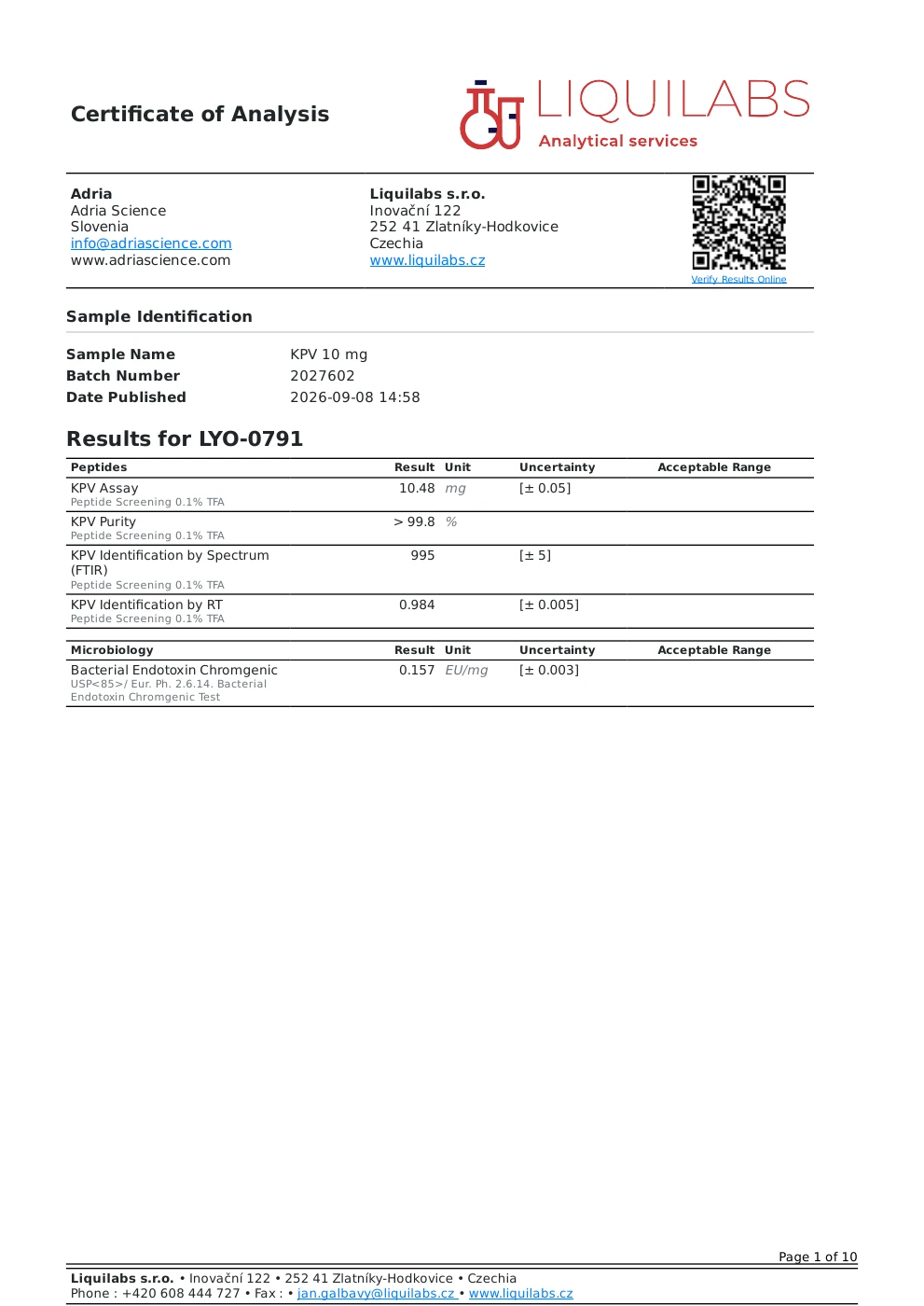
> 99.8%Purity by HPLC
Recorded QC panel
- AssayPeptide Screening 0.1% TFA
- 10.48 mg (± 0.05 mg)
- PurityPeptide Screening 0.1% TFA
- > 99.8%
- Identity (FTIR)Peptide Screening 0.1% TFA
- 995 (± 5)
- Identity (RT)Retention time
- 0.984 (± 0.005)
- Bacterial endotoxinUSP 85 / Eur. Ph. 2.6.14
- 0.157 EU/mg
These are the latest published results for this strength. The batch number is printed on each vial. Your supplied batch is confirmed against the matching published record when your order is allocated.
Retatrutide · 20 mg
Latest published result
Liquilabs s.r.o.Signed Certificate of Analysis · 20mg
99.4%Purity by HPLC
Recorded QC panel
- AssayPeptide screening
- 18.87 mg
- PurityPeptide screening
- 99.4%
- Identity (FTIR)FTIR spectrum
- 994
- Identity (RT)Retention time
- 0.996
- Bacterial EndotoxinUSP / Eur. Ph. 2.6.14
- 0.015 EU/mg
- Molecular Ion MassMS deconvolution
- 4731 Da
These are the latest published results for this strength. The batch number is printed on each vial. Your supplied batch is confirmed against the matching published record when your order is allocated.
Bacteriostatic Water · 10 ml
Documentation is available on request
Contact us for the current record for this strength. We never substitute a generic or mismatched certificate.
Your batch is confirmed when your order is allocated.Research sources
References
- Jastreboff et al., 2023 · retatrutide receptor research
- Dalmasso et al., 2008 · KPV and inflammatory signalling
- Maquart et al., 1993 · copper peptide and connective tissue
Research references concern individual compounds and experimental models. They do not establish combined efficacy of these packaged selections.
GHK-Cu · 100 mg
L. Pickart, J. M. Vasquez-Soltero, and A. Margolina, "GHK Peptide as a Natural Modulator of Multiple Cellular Pathways in Skin Regeneration," BioMed Res. Int., vol. 2015, p. 648108, 2015. [BioMed Research International]
A. Gruchlik, E. Chodurek, and Z. Dzierzewicz, "Effect of GLY-HIS-LYS and its copper complex on TGF-β secretion in normal human dermal fibroblasts," Acta Pol. Pharm., vol. 71, no. 6, pp. 954–958, Dec. 2014. [PubMed]
L. Pickart and A. Margolina, "Regenerative and Protective Actions of the GHK-Cu Peptide in the Light of the New Gene Data," Int. J. Mol. Sci., vol. 19, no. 7, Jul. 2018. [PubMed]
X. Wang et al., "GHK-Cu-liposomes accelerate scald wound healing in mice by promoting cell proliferation and angiogenesis," Wound Repair Regen. Off. Publ. Wound Heal. Soc. Eur. Tissue Repair Soc., vol. 25, no. 2, pp. 270–278, 2017. [PubMed]
M. Kukowska, M. Kukowska-Kaszuba, and K. Dzierzbicka, "In vitro studies of antimicrobial activity of Gly-His-Lys conjugates as potential and promising candidates for therapeutics in skin and tissue infections," Bioorg. Med. Chem. Lett., vol. 25, no. 3, pp. 542–546, Feb. 2015. [Science Direct]
G. D. Mulder et al., "Enhanced healing of ulcers in patients with diabetes by topical treatment with glycyl-l-histidyl-l-lysine copper," Wound Repair Regen. Off. Publ. Wound Heal. Soc. Eur. Tissue Repair Soc., vol. 2, no. 4, pp. 259–269, Oct. 1994. [PubMed]
S. O. Canapp et al., "The effect of topical tripeptide-copper complex on healing of ischemic open wounds," Vet. Surg. VS, vol. 32, no. 6, pp. 515–523, Dec. 2003. [PubMed]
L. Pickart, J. M. Vasquez-Soltero, and A. Margolina, "The Effect of the Human Peptide GHK on Gene Expression Relevant to Nervous System Function and Cognitive Decline," Brain Sci., vol. 7, no. 2, Feb. 2017. [PubMed]
H. Zhang, Y. Wang, and Z. He, "Glycine-Histidine-Lysine (GHK) Alleviates Neuronal Apoptosis Due to Intracerebral Hemorrhage via the miR-339-5p/VEGFA Pathway," Front. Neurosci., vol. 12, p. 644, 2018. [PubMed]
X.-M. Zhou et al., "GHK Peptide Inhibits Bleomycin-Induced Pulmonary Fibrosis in Mice by Suppressing TGFβ1/Smad-Mediated Epithelial-to-Mesenchymal Transition," Front. Pharmacol., vol. 8, p. 904, 2017. [PubMed]
J.-R. Park, H. Lee, S.-I. Kim, and S.-R. Yang, "The tri-peptide GHK-Cu complex ameliorates lipopolysaccharide-induced acute lung injury in mice," Oncotarget, vol. 7, no. 36, pp. 58405–58417, Sep. 2016. [PubMed]
L. А. Sever'yanova and M. E. Dolgintsev, "Effects of Tripeptide Gly-His-Lys in Pain-Induced Aggressive-Defensive Behavior in Rats," Bull. Exp. Biol. Med., vol. 164, no. 2, pp. 140–143, Dec. 2017. [Springer]
L. А. Sever'yanova and D. V. Plotnikov, "Binding of Glyprolines to L-Arginine Inverts Its Analgesic and Antiagressogenic Effects," Bull. Exp. Biol. Med., vol. 165, no. 5, pp. 621–624, Sep. 2018. [PubMed]
Badenhorst T, Svirskis D, Merrilees MJ, et al. · 2016
Physicochemical characterization of native glycyl-l-histidyl-l-lysine tripeptide for wound healing and anti-aging: a preformulation study for dermal delivery
Physicochemical and stability characterisation of GHK-Cu.
Pharmaceutical Development and Technology · 10.3109/10837450.2014.979944 View source ↗National Center for Biotechnology Information
PubChem Compound Summary: GHK-Cu
Authoritative identity record for the GHK-Cu copper-peptide complex.
PubChem View source ↗Chemical Abstracts Service
CAS Common Chemistry: 49557-75-7
Authoritative CAS Registry Number record for GHK-Cu.
CAS Common Chemistry View source ↗National Center for Biotechnology Information
PubChem compound record
PubChem View source ↗Pickart L, Margolina A · 2018
Regenerative and Protective Actions of the GHK-Cu Peptide in the Light of the New Gene Data
International journal of molecular sciences View source ↗Pickart L, Vasquez-Soltero JM, Margolina A · 2015
GHK Peptide as a Natural Modulator of Multiple Cellular Pathways in Skin Regeneration
BioMed research international View source ↗A. Gruchlik, E. Chodurek, and Z. Dzierzewicz · 2014
Effect of GLY-HIS-LYS and its copper complex on TGF-β secretion in normal human dermal fibroblasts
Acta Pol. PharmX. Wang et al. · 2017
GHK-Cu-liposomes accelerate scald wound healing in mice by promoting cell proliferation and angiogenesis
Wound Repair Regen. Off. Publ. Wound Heal. Soc. Eur. Tissue Repair SocM. Kukowska, M. Kukowska-Kaszuba, and K. Dzierzbicka · 2015
In vitro studies of antimicrobial activity of Gly-His-Lys conjugates as potential and promising candidates for therapeutics in skin and tissue infections
Bioorg. Med. Chem. LettG. D. Mulder et al. · 1994
Enhanced healing of ulcers in patients with diabetes by topical treatment with glycyl-l-histidyl-l-lysine copper
Wound Repair Regen. Off. Publ. Wound Heal. Soc. Eur. Tissue Repair SocS. O. Canapp et al. · 2003
The effect of topical tripeptide-copper complex on healing of ischemic open wounds
Vet. Surg. VSL. Pickart, J. M. Vasquez-Soltero, and A. Margolina · 2017
The Effect of the Human Peptide GHK on Gene Expression Relevant to Nervous System Function and Cognitive Decline
Brain SciH. Zhang, Y. Wang, and Z. He · 2018
Glycine-Histidine-Lysine (GHK) Alleviates Neuronal Apoptosis Due to Intracerebral Hemorrhage via the miR-339-5p/VEGFA Pathway
Front. NeurosciX.-M. Zhou et al. · 2017
GHK Peptide Inhibits Bleomycin-Induced Pulmonary Fibrosis in Mice by Suppressing TGFβ1/Smad-Mediated Epithelial-to-Mesenchymal Transition
Front. PharmacolJ.-R. Park, H. Lee, S.-I. Kim, and S.-R. Yang · 2016
The tri-peptide GHK-Cu complex ameliorates lipopolysaccharide-induced acute lung injury in mice
OncotargetL. А. Sever'yanova and M. E. Dolgintsev · 2017
Effects of Tripeptide Gly-His-Lys in Pain-Induced Aggressive-Defensive Behavior in Rats
Bull. Exp. Biol. MedL. А. Sever'yanova and D. V. Plotnikov · 2018
Binding of Glyprolines to L-Arginine Inverts Its Analgesic and Antiagressogenic Effects
Bull. Exp. Biol. MedKPV · 10 mg
G. Dalmasso et al., "PepT1-mediated tripeptide KPV uptake reduces intestinal inflammation", 2008
M. E. Hiltz and J. M. Lipton, "Antiinflammatory activity of a COOH-terminal fragment of the neuropeptide alpha-MSH," FASEB J. Off. Publ. Fed. Am. Soc. Exp. Biol., vol. 3, no. 11, pp. 2282–2284, Sep. 1989.
K. Kannengiesser et al., "Melanocortin-derived tripeptide KPV has anti-inflammatory potential in murine models of inflammatory bowel disease," Inflamm. Bowel Dis., vol. 14, no. 3, pp. 324–331, Mar. 2008, doi: 10.1002/ibd.20334.
B. Xiao et al., "Orally Targeted Delivery of Tripeptide KPV via Hyaluronic Acid-Functionalized Nanoparticles Efficiently Alleviates Ulcerative Colitis," Mol. Ther. J. Am. Soc. Gene Ther., vol. 25, no. 7, pp. 1628–1640, 05 2017, doi: 10.1016/j.ymthe.2016.1020.
G. Dalmasso, L. Charrier-Hisamuddin, H. T. T. Nguyen, Y. Yan, S. Sitaraman, and D. Merlin, "PepT1-Mediated Tripeptide KPV Uptake Reduces Intestinal Inflammation," Gastroenterology, vol. 134, no. 1, pp. 166–178, Jan. 2008, doi: 10.1053/j.gastro.2007.10.026.
D. B. Richards and J. M. Lipton, "Effect of alpha-MSH 11-13 (lysine-proline-valine) on fever in the rabbit," Peptides, vol. 5, no. 4, pp. 815–817, Aug. 1984, doi: 10.1016/0196-9781(84)90027-5.
T. Brzoska, T. A. Luger, C. Maaser, C. Abels, and M. Böhm, "Alpha-melanocyte-stimulating hormone and related tripeptides: biochemistry, antiinflammatory and protective effects in vitro and in vivo, and future perspectives for the treatment of immune-mediated inflammatory diseases," Endocr. Rev., vol. 29, no. 5, pp. 581–602, Aug. 2008, doi: 10.1210/er.2007-0027.
T. A. Luger and T. Brzoska, "α‐MSH related peptides: a new class of anti‐inflammatory and immunomodulating drugs," Ann. Rheum. Dis., vol. 66, no. Suppl 3, pp. iii52–iii55, Nov. 2007, doi: 10.1136/ard.2007.079780.
M. Cutuli, S. Cristiani, J. M. Lipton, and A. Catania, "Antimicrobial effects of alpha-MSH peptides," J. Leukoc. Biol., vol. 67, no. 2, pp. 233–239, Feb. 2000, doi: 10.1002/jlb.67.2.233.
M. F. Masman et al., "Synthesis and conformational analysis of His-Phe-Arg-Trp-NH2 and analogues with antifungal properties," Bioorg. Med. Chem., vol. 14, no. 22, pp. 7604–7614, Nov. 2006, doi: 10.1016/j.bmc.2006.07.007.
K. S. de Souza et al., "Improved cutaneous wound healing after intraperitoneal injection of alpha-melanocyte-stimulating hormone," Exp. Dermatol., vol. 24, no. 3, pp. 198–203, Mar. 2015, doi: 10.1111/exd.12609.
C. Lonati et al., "Modulatory effects of NDP-MSH in the regenerating liver after partial hepatectomy in rats," Peptides, vol. 50, pp. 145–152, Dec. 2013, doi: 10.1016/j.peptides.2013.10.014.
G. Colombo et al., "Gene expression profiling reveals multiple protective influences of the peptide alpha-melanocyte-stimulating hormone in experimental heart transplantation," J. Immunol. Baltim. Md 1950, vol. 175, no. 5, pp. 3391–3401, Sep. 2005, doi: 10.4049/jimmunol.175.5.3391.
G. Colombo et al., "Production and effects of alpha-melanocyte-stimulating hormone during acute lung injury," Shock Augusta Ga, vol. 27, no. 3, pp. 326–333, Mar. 2007, doi: 10.1097/01.shk.0000239764.80033.7e.
M. Schiller et al., "Human Dermal Fibroblasts Express Prohormone Convertases 1 and 2 and Produce Proopiomelanocortin-Derived Peptides," J. Invest. Dermatol., vol. 117, no. 2, pp. 227–235, Aug. 2001, doi: 10.1046/j.0022-202x.2001.01412.x.
T. Brzoska, M. Böhm, A. Lügering, K. Loser, and T. A. Luger, "Terminal signal: anti-inflammatory effects of α-melanocyte-stimulating hormone related peptides beyond the pharmacophore," Adv. Exp. Med. Biol., vol. 681, pp. 107–116, 2010, doi: 10.1007/978-1-4419-6354-3_8.
S. J. Getting, H. B. Schiöth, and M. Perretti, "Dissection of the anti-inflammatory effect of the core and C-terminal (KPV) alpha-melanocyte-stimulating hormone peptides," J. Pharmacol. Exp. Ther., vol. 306, no. 2, pp. 631–637, Aug. 2003, doi: 10.1124/jpet.103.051623.
K. Pawar, C. S. Kolli, V. K. Rangari, and R. J. Babu, "Transdermal Iontophoretic Delivery of Lysine-Proline-Valine (KPV) Peptide Across Microporated Human Skin," J. Pharm. Sci., vol. 106, no. 7, pp. 1814–1820, Jul. 2017, doi: 10.1016/j.xphs.2017.03.017.
National Center for Biotechnology Information
PubChem Compound Summary: Lys-Pro-Val
Authoritative identity record for the KPV tripeptide.
PubChem View source ↗Dalmasso G, Charrier-Hisamuddin L, Nguyen HT, et al. · 2008
PepT1-mediated tripeptide KPV uptake reduces intestinal inflammation
Primary study of KPV transport and signalling in an experimental model.
Gastroenterology · 10.1053/j.gastro.2007.10.026 View source ↗Chemical Abstracts Service
CAS Common Chemistry: 67727-97-3
Authoritative CAS Registry Number record for KPV.
CAS Common Chemistry View source ↗National Center for Biotechnology Information
PubChem compound record
PubChem View source ↗Luger TA, Brzoska T · 2007
alpha-MSH related peptides: a new class of anti-inflammatory and immunomodulating drugs
Annals of the rheumatic diseases View source ↗Xiao B, Xu Z, Viennois E, Zhang Y, Zhang Z, Zhang M, Han MK, Kang Y, Merlin D · 2017
Orally Targeted Delivery of Tripeptide KPV via Hyaluronic Acid-Functionalized Nanoparticles Efficiently Alleviates Ulcerative Colitis
Molecular therapy : the journal of the American Society of Gene Therapy · 10.1016/j.ymthe.2016.1020 View source ↗M. E. Hiltz and J. M. Lipton · 1989
Antiinflammatory activity of a COOH-terminal fragment of the neuropeptide alpha-MSH
FASEB J. Off. Publ. Fed. Am. Soc. Exp. BiolK. Kannengiesser et al. · 2008
Melanocortin-derived tripeptide KPV has anti-inflammatory potential in murine models of inflammatory bowel disease
Inflamm. Bowel Dis · 10.1002/ibd.20334 View source ↗D. B. Richards and J. M. Lipton · 1984
Effect of alpha-MSH 11-13 (lysine-proline-valine) on fever in the rabbit
Peptides · 10.1016/0196-9781(84)90027-5 View source ↗T. Brzoska, T. A. Luger, C. Maaser, C. Abels, and M. Böhm · 2008
Alpha-melanocyte-stimulating hormone and related tripeptides: biochemistry, antiinflammatory and protective effects in vitro and in vivo, and future perspectives for the treatment of immune-mediated inflammatory diseases
Endocr. Rev · 10.1210/er.2007-0027 View source ↗T. A. Luger and T. Brzoska · 2007
α‐MSH related peptides: a new class of anti‐inflammatory and immunomodulating drugs
Ann. Rheum. Dis · 10.1136/ard.2007.079780 View source ↗M. Cutuli, S. Cristiani, J. M. Lipton, and A. Catania · 2000
Antimicrobial effects of alpha-MSH peptides
J. Leukoc. Biol · 10.1002/jlb.67.2.233 View source ↗M. F. Masman et al. · 2006
Synthesis and conformational analysis of His-Phe-Arg-Trp-NH2 and analogues with antifungal properties
Bioorg. Med. Chem · 10.1016/j.bmc.2006.07.007 View source ↗K. S. de Souza et al. · 2015
Improved cutaneous wound healing after intraperitoneal injection of alpha-melanocyte-stimulating hormone
Exp. Dermatol · 10.1111/exd.12609 View source ↗C. Lonati et al. · 2013
Modulatory effects of NDP-MSH in the regenerating liver after partial hepatectomy in rats
Peptides · 10.1016/j.peptides.2013.10.014 View source ↗G. Colombo et al. · 1950
Gene expression profiling reveals multiple protective influences of the peptide alpha-melanocyte-stimulating hormone in experimental heart transplantation
J. Immunol. Baltim. Md 1950 · 10.4049/jimmunol.175.5.3391 View source ↗G. Colombo et al. · 2007
Production and effects of alpha-melanocyte-stimulating hormone during acute lung injury
Shock Augusta Ga · 10.1097/01.shk.0000239764.80033.7e View source ↗M. Schiller et al. · 2001
Human Dermal Fibroblasts Express Prohormone Convertases 1 and 2 and Produce Proopiomelanocortin-Derived Peptides
J. Invest. Dermatol · 10.1046/j.0022-202x.2001.01412.x View source ↗T. Brzoska, M. Böhm, A. Lügering, K. Loser, and T. A. Luger · 2010
Terminal signal: anti-inflammatory effects of α-melanocyte-stimulating hormone related peptides beyond the pharmacophore
Adv. Exp. Med. Biol · 10.1007/978-1-4419-6354-3_8 View source ↗S. J. Getting, H. B. Schiöth, and M. Perretti · 2003
Dissection of the anti-inflammatory effect of the core and C-terminal (KPV) alpha-melanocyte-stimulating hormone peptides
J. Pharmacol. Exp. Ther · 10.1124/jpet.103.051623 View source ↗K. Pawar, C. S. Kolli, V. K. Rangari, and R. J. Babu · 2017
Transdermal Iontophoretic Delivery of Lysine-Proline-Valine (KPV) Peptide Across Microporated Human Skin
J. Pharm. Sci · 10.1016/j.xphs.2017.03.017 View source ↗Retatrutide · 20 mg
„Retatrutide (LY3437943): A Novel Tri-agonist Peptide for Metabolic Disease Treatment", 2025.
Alaa Abdrabou Abouelmagd et al., „Efficacy and safety of retatrutide, a novel GLP-1, GIP, and GCG receptor agonist for obesity treatment: a systematic review and meta-analysis of randomized controlled trials", 2025.
Coskun T, Urva S, Roell WC, et al. LY3437943, a novel triple GCG, GIP, and GLP-1 receptor agonist for glycemic control and weight loss: from discovery to clinical proof of concept. Cell Metab. 2022;34(9):1234–1247.e9. doi: 10.1016/j.cmet.2022.07.013. [DOI] [PubMed]
Sanyal AJ, Kaplan LM, Frias JP, et al. Triple hormone receptor agonist retatrutide for metabolic dysfunction-associated steatotic liver disease: a randomized phase 2a trial. Nat Med. 2024;30(7):2037–2048. doi: 10.1038/s41591-024-03018-2. [DOI] [PMC free article] [PubMed] [Google Scholar]
Jastreboff AM, Kaplan LM, Frías JP, et al. Triple–hormone-receptor agonist retatrutide for obesity—a phase 2 trial. N Engl J Med. 2023;389(6):514–526. doi: 10.1056/NEJMoa2301972. [DOI] [PubMed]
Rosenstock J, Frias J, Jastreboff AM, et al. Retatrutide, a GIP, GLP-1 and GCG receptor agonist, for people with type 2 diabetes: a randomised, double-blind, placebo and active-controlled, parallel-group, phase 2 trial conducted in the USA. Lancet. 2023;402(10401):529–544. doi: 10.1016/S0140-6736(23)01053-X. [DOI] [PubMed]
Urva S, Coskun T, Loh MT, et al. LY3437943, a novel triple GIP, GLP-1, and GCG receptor agonist in people with type 2 diabetes: a phase 1b, multicentre, double-blind, placebo-controlled, randomised, multiple-ascending dose trial. Lancet. 2022;400(10366):1869–1881. doi: 10.1016/S0140-6736(22)02033-5. [DOI] [PubMed]
Coskun T, Urva S, Roell WC, et al. · 2022
LY3437943, a novel triple glucagon, GIP, and GLP-1 receptor agonist for glycemic control and weight loss: From discovery to clinical proof of concept
Discovery, molecular design, and receptor characterisation of LY3437943.
Cell Metabolism · 10.1016/j.cmet.2022.07.013 View source ↗Jastreboff AM, Kaplan LM, Frías JP, et al. · 2023
Triple–Hormone-Receptor Agonist Retatrutide for Obesity — A Phase 2 Trial
Clinical research report concerning the compound described as retatrutide.
The New England Journal of Medicine · 10.1056/nejmoa2301972 View source ↗National Center for Biotechnology Information
PubChem Compound Summary: Retatrutide
Authoritative identity record for retatrutide, also described as LY3437943.
PubChem View source ↗Goldney J, Hamza M, Surti F, Davies MJ, Papamargaritis D · 2025
Triple Agonism Based Therapies for Obesity
Current cardiovascular risk reports View source ↗Katsi V, Koutsopoulos G, Fragoulis C, Dimitriadis K, Tsioufis K · 2025
Retatrutide-A Game Changer in Obesity Pharmacotherapy
Biomolecules View source ↗Abdrabou Abouelmagd A, Abdelrehim AM, Bashir MN, Abdelsalam F, Marey A, Tanas Y, Abuklish DM, Belal MM · 2025
Efficacy and safety of retatrutide, a novel GLP-1, GIP, and glucagon receptor agonist for obesity treatment: a systematic review and meta-analysis of randomized controlled trials
Proceedings (Baylor University. Medical Center) View source ↗· 2025
Retatrutide (LY3437943): A Novel Tri-agonist Peptide for Metabolic Disease Treatment
2025Alaa Abdrabou Abouelmagd et al. · 2025
Efficacy and safety of retatrutide, a novel GLP-1, GIP, and GCG receptor agonist for obesity treatment: a systematic review and meta-analysis of randomized controlled trials
2025· 2024
Sanyal AJ, Kaplan LM, Frias JP, et al. Triple hormone receptor agonist retatrutide for metabolic dysfunction-associated steatotic liver disease: a randomized phase 2a trial. Nat Med. 2024;30(7):2037–2048. doi: 10.1038/s41591-024-03018-2. [DOI] [PMC free article] [PubMed] [Google Scholar]
· 10.1038/s41591-024-03018-2 View source ↗· 2023
Rosenstock J, Frias J, Jastreboff AM, et al. Retatrutide, a GIP, GLP-1 and GCG receptor agonist, for people with type 2 diabetes: a randomised, double-blind, placebo and active-controlled, parallel-group, phase 2 trial conducted in the USA. Lancet. 2023;402(10401):529–544. doi: 10.1016/S0140-6736(23)01053-X. [DOI] [PubMed]
· 10.1016/s0140-6736(23)01053-x View source ↗· 2022
Urva S, Coskun T, Loh MT, et al. LY3437943, a novel triple GIP, GLP-1, and GCG receptor agonist in people with type 2 diabetes: a phase 1b, multicentre, double-blind, placebo-controlled, randomised, multiple-ascending dose trial. Lancet. 2022;400(10366):1869–1881. doi: 10.1016/S0140-6736(22)02033-5. [DOI] [PubMed]
· 10.1016/s0140-6736(22)02033-5 View source ↗Bacteriostatic Water · 10 ml
National Center for Biotechnology Information
PubChem Compound Summary: Benzyl alcohol
Authoritative identity record for the preservative component of Bacteriostatic Water.
PubChem View source ↗Chemical Abstracts Service
CAS Common Chemistry: 7732-18-5
Authoritative CAS Registry Number record for water.
CAS Common Chemistry View source ↗Chemical Abstracts Service
CAS Common Chemistry: 100-51-6
Authoritative CAS Registry Number record for benzyl alcohol.
CAS Common Chemistry View source ↗Customer reviews

Quality products,fast shipping,great refferal plan,only downside is that products in 4 mounths since my first order got more and more expensive ,but overall verry good experience.
Read full review →More than 2 weeks for package dispatch. They promised one free peptide next time. Sent me new tracking number but package still wasn't delivered to fedex. Last package (much much cheaper) was delivered in less than week. I will update if they will send my package. ok,package sent.
Read full review →Extremely satisfied with the product quality and overall experience. The customer service is polite and quick. All recommendations!
Read full review →Great service!
Read full review →Always on time and customer care is super great
Read full review →Fast good, and quality is perfect
Read full review →ordered 3 times now and everything ok every time.
Read full review →Trustworthy site with a huge catalog of products. Been purchasing from them for some time now never got disappointed. I could only recommend them.
Read full review →Great quality product
Read full review →Everything was great, super customer support, honest, reliable
Read full review →Everything ok. With little problem with package, but after contact with Customer Service everything went right. Good quality of products
Read full review →Excellent. Buying peptides online can be nerve wracking! But Adria are very transparent about all the checks and certifications. My experience with them was excellent. Great products at good prices and efficient P&P
Read full review →Continue exploring