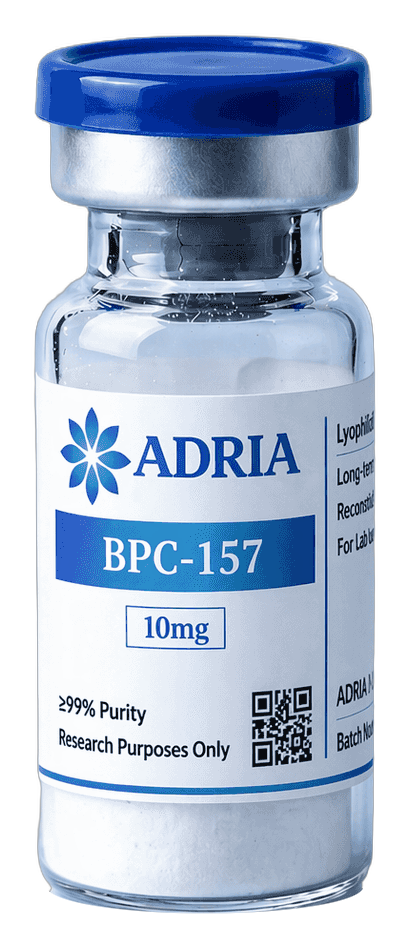
2× BPC-157
10 mg
51,50 € per vial
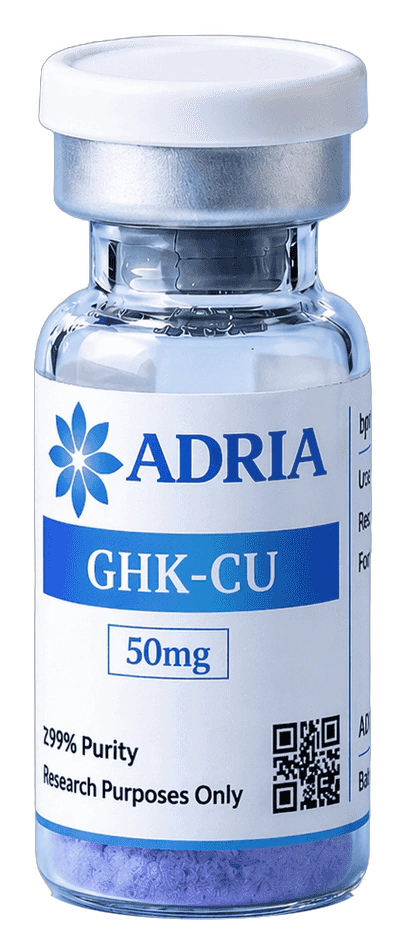
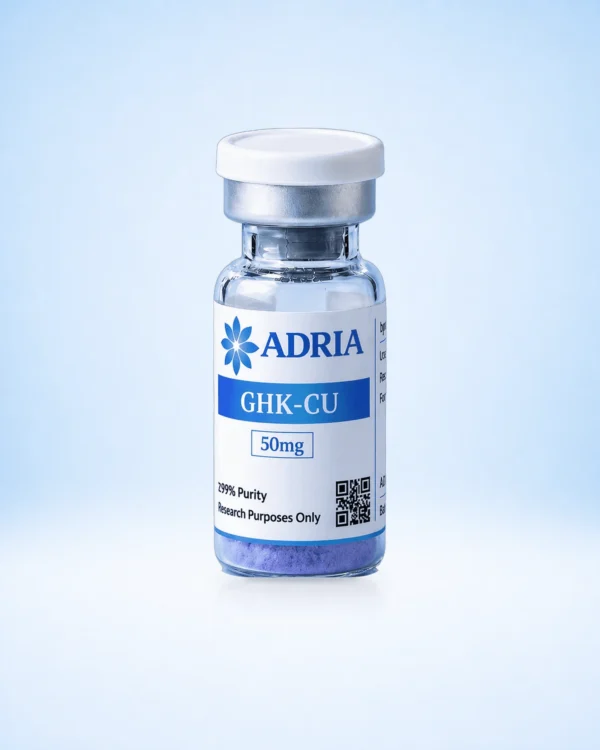
2× GHK-Cu
50 mg
38,50 € per vial
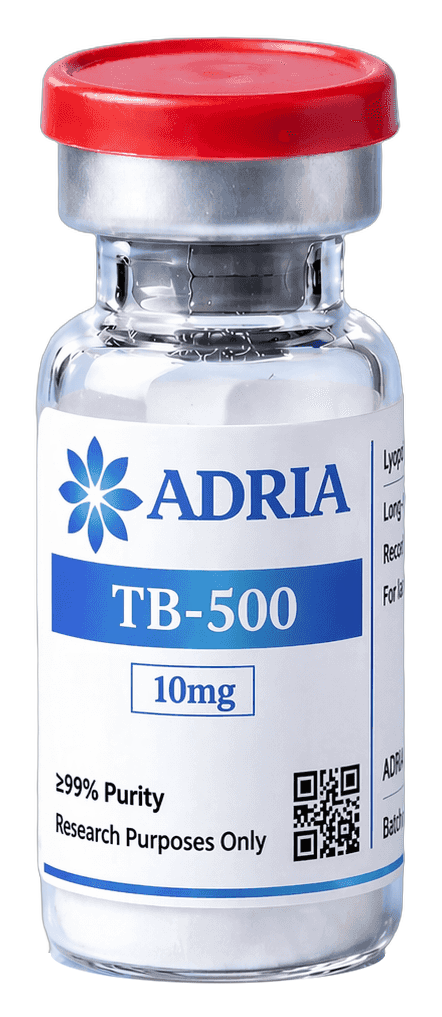
2× TB-500
10 mg
49,90 € per vial
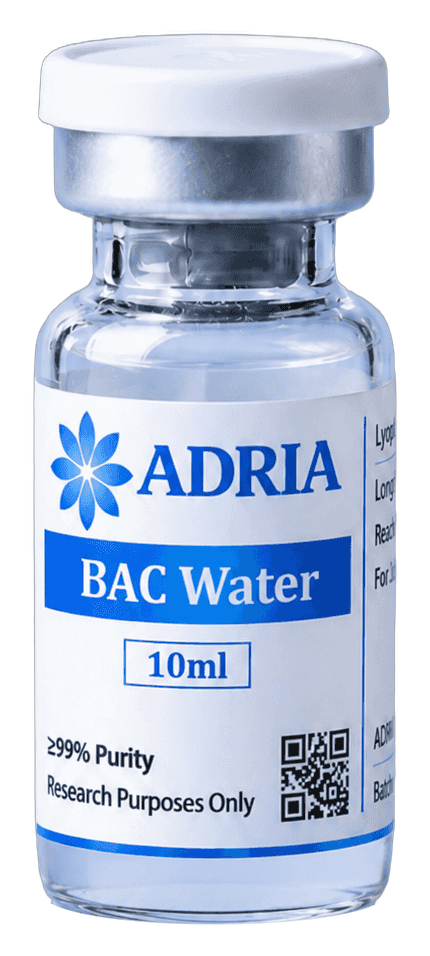
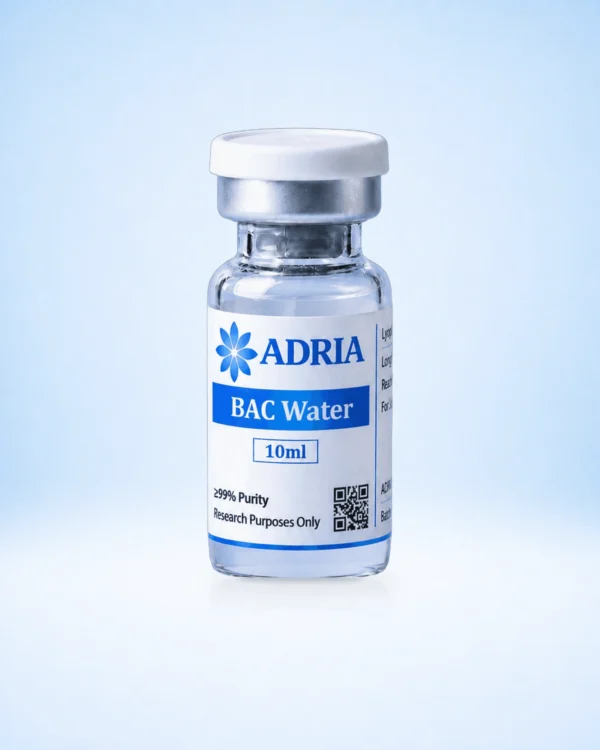
1× Bacteriostatic Water
10 ml
11,32 € per vial
Research bundles
Repair Bundle
Low stock
Order within — to ship today
Arrives 26 – 30 November to Europe


 Shown at checkout
Repair Bundle
Original price was: 291,12 €.202,70 €Current price is: 202,70 €.
Explore cell movement, matrix responses and tissue-repair research through BPC-157, GHK-Cu and TB-500. Repair brings three complementary experimental themes together, with every vial and strength clearly identified, BAC Water included and a single transparent bundle saving.
Every compound, clearly identified
Specifications
BPC-157 · 10 mg
Molecular profile
- Sequence
- Gly-Glu-Pro-Pro-Pro-Gly-Lys-Pro-Ala-Asp-Asp-Ala-Gly-Leu-Val
- Molecular mass
- 1419.54 g/mol
- CAS number
- 137525-51-0
- Molecular formula
- C62H98N16O22
Material record
- Physical appearance
- White to off-white lyophilized powder
- Solubility
- Soluble in bacteriostatic water and suitable aqueous laboratory solvents.
- Product note
- Synthetic pentadecapeptide; supplied strictly for research use only.
GHK-Cu · 50 mg
Molecular profile
- Sequence
- Gly-His-Lys
- Molecular mass
- 401.91 g/mol
- CAS number
- 89030-95-5
- Molecular formula
- C14H22CuN6O4
Material record
- Physical appearance
- Blue to blue-green lyophilized powder
- Salt form
- 1:1 GHK–Cu(II) complex
- Solubility
- Soluble in bacteriostatic water and suitable aqueous laboratory solvents.
- Product note
- Copper-binding tripeptide complex; supplied strictly for research use only.
TB-500 · 10 mg
Molecular profile
- Sequence
- Ac-Ser-Asp-Lys-Pro-Asp-Met-Ala-Glu-Ile-Glu-Lys-Phe-Asp-Lys-Ser-Lys-Leu-Lys-Lys-Thr-Glu-Thr-Gln-Glu-Lys-Asn-Pro-Leu-Pro-Ser-Lys-Glu-Thr-Ile-Glu-Gln-Glu-Lys-Gln-Ala-Gly-Glu-Ser-OH
- Molecular mass
- 4963.49 g/mol
- CAS number
- 77591-33-4
- Molecular formula
- C212H350N56O78S
Material record
- Physical appearance
- White to off-white lyophilized powder
- Solubility
- Soluble in bacteriostatic water and suitable aqueous laboratory solvents.
- Product note
- Full-length 43-amino-acid thymosin beta-4, identified as TB-500 in the Adria Science analytical record; supplied strictly for research use only.
Bacteriostatic Water · 10 ml
Molecular profile
- Molecular mass
- Water: 18.015 g/mol; benzyl alcohol: 108.14 g/mol.
- CAS number
- Water: 7732-18-5; benzyl alcohol: 100-51-6.
- Molecular formula
- Water: H2O; benzyl alcohol: C7H8O.
Material record
- Physical appearance
- Clear, colourless aqueous solution.
- Solubility
- Aqueous solution; miscible with water.
- Product note
- Aqueous laboratory solvent formulation containing 0.9% benzyl alcohol preservative with a pH range of 4.5–7.0; supplied strictly for research and laboratory use.
The research behind the combination
A coordinated tissue-response research selection
Repair is built around several stages of tissue-response research rather than one isolated marker. BPC-157 has been investigated in tendon-fibroblast outgrowth and migration experiments. GHK-Cu contributes a matrix-response theme, while the thymosin beta-4 research associated with the supplied TB-500 identity adds an actin- and cell-movement perspective.
Considering these materials together can help a laboratory organise comparative work across cellular movement and extracellular-matrix endpoints. Their individual evidence comes from different experimental models, so it should guide the questions being asked rather than be treated as proof of a combined healing outcome.
Each compound remains separately identifiable, and the component test reports retain their original sample and batch meaning. The ready-made quantities and included BAC Water make the practical selection simpler while keeping the full value and saving easy to compare.
- Cell movement and matrix-response research
- Three clearly identified peptide materials
- Native component reports and transparent value
Explore the individual components
BPC-157 · 10 mg
BPC-157
The BPC-157 research peptide represents a potential healing compound, which after research in humans could be a successful remedy for many kinds of injuries, including organ, glut, skin disorders and wounds. This partial sequence from human gastric protective protein BPC, which is naturally found in the human digestive tract and has been derived from human gastric juices was discovered in the 1990s by a group of scientists studying its impact mostly on gastrointestinal functions and wound healing.
In numerous studies in cultures and animals the penta-decapeptide has demonstrated consistently positive and prompt healing effects for most of the systemic or traumatic injuries. This high regenerative and healing ability was found to function not only for plethora of soft tissues, muscles and ligaments, but also for inner organs, skin, nervous system and treating problems as ulcers, Crohn's disease or leaky gut problems. It also has analgesic effects and enhances reticulin and collagen production, angiogenesis, along with stimulation of macrophage and fibroblast infiltration. Furthermore, research studies have also shown its ability to assist in faster healing of chemical skin burns by increasing blood flow to damaged tissues.
Let us show a glimpse of research study conclusions on BPC-157.
Overview of Published Research
There are several studies aimed to clarify the exact mechanism of BPC-157 wound healing. Research in male rats explored the effect of BPC-157 on fibroblasts isolated from Achilles tendon. According to the cDNA microarray analysis BPC-157 increased the expression of growth hormone receptor in tendon fibroblasts. These are the cells, which are an integral part of wound healing, and are responsible for storing extracellular matrix proteins such as collagen, fibrin, elastin, etc. BPC-157 has been shown to affect fibroblast proliferation in culture and in vivo in a dose-dependent, and time-dependent manner, and the cells both proliferate and migrate faster as a result. To confirm the results tendon fibroblasts were treated with BPC-157 at different concentration for 24 h, showing that the expression of GH receptor increases in dose-dependent manner causing proliferatio-promoting effect of GH which could have potential healing effect. Up to sevenfold increases were observed at day three.
BPC-157 was explored as a potential reagent for treating chemically burned skin in deeply injured tissues in alkali burn injuries of rats. The results showed that the peptide could accelerate the healing process by the mechanism associated with accelerated granulation tissue formation, reepithelialization, dermal remodeling, and collagen deposition through ERK1/2 signaling pathway.
Vascular growth plays an important role in growth of tissues and regeneration in the body, and refers to the process by which blood vessels develop and grow. Various physiological and pathological states, such as wound healing, tumor growth or regeneration after damage can be connected with this processes. Studies indicated, that BPC-157 is a strong angiogenic factor that stimulates the growth rate and proliferation of endothelial cells. Part of the mechanism by which BPC-157 promotes vascular endothelial cell growth occurs through stimulation of the cell surface receptor VEGFR2, which is active in the nitric oxide signaling pathway. In vitro study using human vascular endothelial cells further confirmed the increased mRNA and protein expressions of VEGFR2 but not VEGF-A.
Research in rats investigated whether duodenal lesions induced by major venous occlusions can be reduced by BPC 157 peptide regardless nitric oxide (NO) system participation, and came to conclusion, that the peptide quickly avoided occlusion, and could rescue the original duodenal flow. This happened through the inferior anterior pancreaticoduodenal vein to superior mesenteric vein flow, which is an effect related to the NO system and reduction of free radical formation.
This stable gastric penta-decapeptide was used also to provide new insights in treatment of colitis and ischemia and reperfusion in rats, where it was able to quickly restore blood supply to the ischemically injured areas and rapidly activated the growth rate of collateral blood vessels involved the NO system. Another new insight showed, that BPC 157 application largely decreased or even completely removed all results of inferior cavil vein ligation in rats such as direct vein injury, thrombosis, thrombocytopenia or prolonged bleeding. Further, it can be concluded that BPC-157 alleviates GI lesions, but also lesions in liver and brain as well as cardiovascular, neurological, and muscular tissue, for which there is already some research evidence. BPC-157 activates vessel passing by the defected area, and making collateral veins functioning - reestablishing blood flow in injured area.
BPC-157 is also known as anti-ulcer peptide which can heal and protect different body organ lesions while preserving the natural integrity of the mucosal barrier in the GI tract. The peptide works in large scale of beneficial effects even much more than standard cytoprotective agents do. BPC 157 as prototype cytoprotective agent should also control blood vessel function, depending upon injury, perforated defect or vessel obstruction.
Tendon injuries are very common, their healing is often difficult, and very slow. In addition, the healed tendons are usually weaker than before injury. New therapeutical treatment is therefore important to develop. BPC-157 accelerates fibroblasts recruitment, and blood supply into injured tissues, it promotes wound regeneration in tendons, ligaments, muscles and bones, which has been demonstrated in vitro and in vivo research on rat tendons. Research concluded that the peptide was more effective than the hormones bFGF, EFG, and VGF in promoting healing the tissues accurately implementing its own angiogenic healing effect.
Furthermore, BPC-157 is a potent stimulator of F-actin production in fibroblasts, which was revealed by experiments using FITC-phalloidin staining, and analysis by Western blotting showed that BPC-157 enhances phosphorylation of paxillin and FAK proteins - critical proteins in the cell migration pathway. In conclusion, BPC 157 promotes the ex vivo outgrowth of tendon fibroblasts from tendon explants, cell survival under stress, and the in vitro migration of tendon fibroblasts, which is likely mediated by the activation of the FAK-paxillin pathway.
The BPC-157 peptide also appears to be a potent antioxidant and can neutralize markers of oxidative stress such as nitric oxide (NO) and malondialdehyde (MDA). Research in rats showed that it can reduce the production of reactive oxygen species in the GI tract. Lactic acid bacteria have been investigated as a suitable means of delivering therapeutic proteins or peptides to mucosal surfaces in the body. BPC-157 is able to prevent and treat gastrointestinal inflammation by reducing the production of reactive oxygen species. In this study, Lactococcus lactis was used as a vector to deliver BPC-157 to the surface of GI.
Another potential benefit that the BPC-157 peptide has been found to have is counteracting the side effects of certain drugs. These are mainly non-steroidal anti-inflammatory drugs (NSAIDs), drugs given for psychiatric conditions or heart medications, neuroleptics and prokinetics. Due to serious side effects many cannot be taken long-term. But the peptide helps to eliminate side effects acting not only on the GI tract but also on the brain, heart or other tissues, again confirmed by animal studies.
Of particular interest is the action of BPC-157 in the context of cardiac arrhythmias. Commonly, neuroleptics and prokinetics induce a prolonged QTc interval. The peptide in fact, can protect against prolongation of the QTc state of the heart in rats under daily administration of dopamine neuroleptics or prokinetics, which can lead to serious or even fatal arrhythmias. Previously, in rats and mice, BPC 157 also counteracted neuroleptic-induced catalepsy and gastric ulcers. This happens, for example, also when taking medications for diabetes, schizophrenia and other psychiatric conditions. It has been shown to fully interact with dopamine system, centrally and peripherally.
Experiments on oral administration of sugar syrup with BPC-157 into the GI tract of honey bees have reported positive effects on Nosema Ceranae invasions and so-called CCD syndrome of colony collapse disorder. However, it is thought that this disease could be caused by an infection in the bees' gut caused by the fungus Nosema ceranae, which often causes enormous damage and the death of entire colonies of bees. Supplementing the bees' diet during 21 consecutive days with BPC-157 reduced the damage, in particular, the damage of the outer muscular coat, and increased the survival rate of the colonies in field.
BPC-157 has been the subject of research in cell culture, particularly in animals, and looks very promising not only as a therapeutic agent for wound healing or regulation of vascular growth, but also as a tool to examine these processes in detail. Further research also in humans would be very favorable. The peptide could also shed more light on the process of angiogenesis, which is important in wound healing, but also in cancer growth and development and in embryogenesis. However, the peptide had minimal side effects in mice.
For laboratory purposes and personal observation only. Not for human consumption.
GHK-Cu · 50 mg
Description of GHK-Cu
The human copper-binding peptide GHK-Cu (glycyl-l-histidyl-l-lysine) is a naturally occurring tri-peptide found in human plasma and released from tissues during injury. Discovered in 1973, GHK-Cu has established itself as a extensively studied protective and regenerative compound, widely used in skin and hair products. In research and cosmetic contexts, GHK-Cu has been associated with tightening loose skin, repairing protective skin barrier proteins, and improving skin firmness, elasticity, and clarity. It has been studied in relation to fine lines, wrinkles, and photodamage, and smoothing rough skin. Additionally, GHK-Cu has been investigated for its role in wound healing, protection of skin cells from UV radiation, reduction of inflammation and free radical damage, and enhancement of hair growth and thickness. Its effects are largely attributed to its ability to bind copper(II) ions, playing a crucial role in copper metabolism. Recent research, utilizing the Connectivity Map from the Broad Institute, has shown that GHK-Cu can up- and down-regulate numerous human genes, linking its biological effects to changes in gene expression.
Mechanism of Action
GHK-Cu binds copper ions and incorporates them into regenerative metabolic pathways, activating:
- Collagen Synthesis → Promotes tissue rebuilding, skin firmness, and scar repair
- Angiogenesis → Supports new blood vessel formation for improved tissue healing
- Antioxidant Enzymes → Protects against free radicals and cellular stress
- Gene Regulation → Activates over 4,000 genes involved in healing, anti-inflammation, and anti-aging processes
Further research on GHK-Cu reveals its presence in human blood plasma, urine, and saliva. Animal studies indicate that GHK-Cu can significantly influence wound healing, immune function, and skin health by stimulating collagen production, promoting blood vessel growth, and supporting fibroblast activity.
Why Choose GHK-Cu?
- GHK-Cu is unique among peptides for its targeted regenerative and anti-aging effects.
- While many peptides focus on fat loss or muscle gain, GHK-Cu directly supports skin, connective tissue, and cellular repair.
- It is one of the most respected peptides in both aesthetic and regenerative medicine research, valued for its safety, biological compatibility, and broad spectrum of action.
Order GHK-Cu and explore its potential in regeneration, skin rejuvenation, and advanced anti-aging research.
Now we would like to bring you closer to the effects of the peptide, which have been researched and confirmed in studies.
Overview of Published Research
GHK-Cu (glycyl-L-histidyl-L-lysine copper complex) is a naturally occurring peptide in human plasma, saliva, and urine that declines with age. Known for its extensively researched protective and regenerative properties, GHK-Cu has been shown to accelerate wound healing and skin repair by stimulating the synthesis and breakdown of collagen, glycosaminoglycans, and other extracellular matrix components. It modulates the activity of metalloproteinases and their inhibitors, promoting the healing of various tissues such as skin, hair follicles, and bones. In cosmetic products, GHK-Cu has been studied in the context of tightening loose skin, improving elasticity and firmness, reducing fine lines, wrinkles, and hyperpigmentation, and enhancing overall skin appearance. Additionally, it has been investigated for potential relevance to conditions like skin inflammation, chronic obstructive pulmonary disease, and metastatic colon cancer, owing to its ability to regulate thousands of human genes, with observed effects on resetting DNA expression patterns.
Recent studies have highlighted GHK-Cu's role in modulating key growth factors involved in wound healing and skin regeneration. Transforming growth factor β (TGF-β) and insulin growth factor (IGF) are crucial in these processes, with GHK-Cu shown to decrease IGF-2-dependent TGF-β1 secretion in dermal fibroblasts, potentially preventing hypertrophic scar formation. Furthermore, GHK-Cu encapsulated in liposomes has been demonstrated to accelerate scald wound healing in mice by promoting cell proliferation and angiogenesis, enhancing the expression of vascular endothelial growth factor and fibroblast growth factors, and improving the overall healing process. These findings underscore the peptide's potential as a subject of further research in skin regeneration and wound healing.
In vitro studies have highlighted the promising antimicrobial activity of Gly-His-Lys conjugates as candidates for further research into skin and tissue infections. These studies explored novel compounds, including fatty acid conjugates with modified Gly-His-Lys sequences. The antimicrobial efficacy of these compounds ranged from strong to moderate. Notably, compound 1d exhibited the most potent activity against Escherichia coli and Staphylococcus aureus with MIC ranges of 31.3–125.0 μg/mL and against Pseudomonas aeruginosa with MIC ranges of 375.0–500.0 μg/mL. Conjugate 5b showed significant activity against Staphylococcus aureus and Escherichia coli at MIC ranges of 250.0–500.0 μg/mL and 62.5–125.0 μg/mL, respectively. Both 1d and 5b demonstrated rapid bactericidal effects against Gram-positive bacteria. Additionally, compounds 1d, 1e, and 2e showed notable antifungal activity.
A multicenter, randomized, evaluator-blinded, placebo-controlled clinical study evaluated the effectiveness of the glycyl-L-histidyl-L-lysine copper complex (lamin Gel) in treating diabetic neuropathic ulcers. Patients adhered to a standardized wound care protocol, including sharp debridement, daily drug application, pressure-relieving footwear, and diabetes management education. Treatment with lamin Gel significantly improved ulcer closure rates, achieving a median area closure of 98.5% compared to 60.8% for the control group. The rate of closure was three times faster with lamin Gel, particularly for larger ulcers (greater than 100 mm²), which showed an 89.2% closure compared to -10.3% for the control. Immediate treatment post-debridement was crucial for optimal results. Additionally, the incidence of ulcer infections was significantly lower in the lamin Gel group (7%) compared to the control (34%).
An experimental study on the effects of topical glycyl-L-histidyl-L-lysine tripeptide-copper complex (TCC) on ischemic open wounds in rats further supported the observed activity of GHK-Cu. Rats treated with TCC showed a significant decrease in wound area compared to control and vehicle groups. By day 13, the TCC group exhibited a 64.5% reduction in wound area, outperforming the vehicle (45.6%) and control (28.2%) groups. TCC-treated wounds also had significantly lower concentrations of TNF-alpha and MMP-2 and MMP-9, indicating reduced inflammation and enhanced healing. These findings suggest that TCC could be of research interest as an approach for chronic wounds in various species, including humans.
Overall, GHK-Cu has shown notable results in research models of diabetic ulcers and ischemic open wounds compared to standard care alone. Its combination with certain fatty acids creates a potent antimicrobial compound with activity against bacteria and fungi, with observed reductions in infection rates and acceleration of wound healing. These findings warrant further research evaluation of GHK-Cu in the context of wound care.
Neurodegeneration, characterized by the progressive death of neurons and cognitive decline, is a growing concern among senior populations, with limited effective research approaches available. One compound of research interest is the human peptide GHK (glycyl-L-histidyl-L-lysine), a copper-binding peptide known for its diverse biological actions that have been studied in the context of aging-related diseases and conditions. GHK has shown effects on various tissues, including chondrocytes, liver cells, and human fibroblasts, as documented in research. Importantly, studies using the Broad Institute Connectivity Map have demonstrated that GHK can modulate gene expression, with observed effects on resetting pathological patterns toward healthier states.
In research focused on the nervous system, GHK has demonstrated neuroprotective effects in models of neurodegenerative diseases and improved tissue regeneration. A study on rats with intracerebral hemorrhage (ICH) revealed that GHK pretreatment significantly improved neurological deficits, reduced brain water content, and inhibited neuronal apoptosis. The peptide's effects were mediated through the downregulation of miR-339-5p expression, which was found to be part of the p38 MAPK pathway. Additionally, GHK's influence on the miR-339-5p/VEGFA axis played a crucial role in preventing neuronal apoptosis following ICH injury. These findings suggest that GHK could represent a novel area of research investigation for conditions like ICH.
GHK-Cu, a variant of the peptide found in high concentrations in the brain, has been studied for its ability to counteract age-associated decline in neuron function. Research indicates that GHK-Cu influences angiogenesis in the nervous system, nerve outgrowth, and central nervous system inflammation. It appears to reset pathological gene expression, with observed effects on restoring function in dysfunctional systems. In rat models, GHK-Cu's neuroprotective effects were evident through improved neurological deficits, reduced brain swelling, and inhibition of neuron death. These effects were particularly notable in the context of overexpression of miR-339-5p following brain injuries such as bleeds and strokes, underscoring GHK-Cu's potential as a research subject in the context of neurodegeneration.
GHK peptide shows promise in inhibiting bleomycin-induced pulmonary fibrosis in mice by suppressing the TGF-β1/Smad-mediated epithelial-to-mesenchymal transition (EMT). Pulmonary fibrosis, an irreversible and progressive lung disease, lacks effective treatments. It occurs after therapy with bleomycin – cancer drug. GHK, a tripeptide known for its role in tissue regeneration and wound healing, was tested for its effects on bleomycin-induced fibrosis. Mice were administered GHK intraperitoneally at various doses following bleomycin instillation. Results demonstrated that GHK treatment reduced inflammatory cell infiltration, improved collagen deposition, and balanced MMP-9/TIMP-1 levels. It also decreased TNF-α, IL-6 in bronchoalveolar lavage fluid, and myeloperoxidase activity in lung extracts. GHK further inhibited TGF-β1, p-Smad2, p-Smad3, and IGF-1 expression, indicating its potential as a subject of further research in pulmonary fibrosis by targeting the TGF-β1/Smad 2/3 and IGF-1 pathways.
GHK-Cu, the copper-bound form of the peptide, also exhibits protective effects against lipopolysaccharide (LPS)-induced acute lung injury (ALI) in mice. GHK-Cu treatment reduced reactive oxygen species (ROS) production, increased superoxide dismutase (SOD) activity, and decreased TNF-α and IL-6 production by inhibiting NF-κB p65 and p38 MAPK signaling in LPS-induced macrophages and ALI models. This treatment alleviated lung histological alterations and suppressed inflammatory cell infiltration, demonstrating GHK-Cu's potential as a novel research subject for ALI and acute respiratory distress syndrome (ARDS) by mitigating excessive inflammatory responses.
Research highlights the observed activity of GHK-Cu in protecting lungs from fibrosis following bleomycin therapy, suggesting its potential interest as a chemotherapy adjuvant research subject to investigate increased medication doses without exacerbating side effects. GHK-Cu regulates inflammatory molecules TNF-α and IL-6, with observed effects on fibrotic remodeling and collagen deposition in the lungs. Similarly, GHK-Cu showed notable findings in mouse models of ARDS, reducing TNF-α and IL-6 expression, and demonstrating a protective effect against this rapid and potentially fatal inflammatory lung condition. These findings support further research into GHK-Cu in the context of various lung injuries and diseases.
GHK-Cu exhibits promising analgesic and anti-aggressive effects in rat models, particularly in response to pain-induced aggressive-defensive behavior. Administered intraperitoneally in doses ranging from 5 to 150 μg/kg, GHK-Cu demonstrated significant pain relief and reduction in aggressive behavior in a foot-shock model. The key to these effects lies in the L-lysine residue within the GHK peptide, as similar analgesic and anti-aggressive effects were observed with L-lysine administration at equivalent doses.
Furthermore, the peptide's activity extends to interactions with L-arginine, another amino acid with analgesic properties. Research has shown that combining arginine with glyprolines to form specific peptides can produce intrinsic regulatory effects on pain and aggression. This suggests that GHK-Cu and related peptides could be investigated as potential non-addictive research alternatives in the context of pain management, alongside opiate medications and NSAIDs, which are known for their potential side effects, including negative impacts on cardiovascular health. These findings highlight the research interest of GHK-Cu in pain-related studies, opening a potential avenue for developing safer pain relief approaches.
TB-500 · 10 mg
Description of Thymosin Beta-4
TB-500 is a synthetic analogue of naturally occurring peptide Thymosin Beta-4, which is important in regeneration of injured cells and tissues. It also decreases scar formation and fibrosis by reducing the number of myofibroblasts in wounds, and has therapeutic potential also in skin, eye, heart, and brain injuries. Advances in understanding its biology have paved the way for ongoing and potential clinical trials in treating dermal wounds, corneal injuries, and regenerating heart and CNS tissue following ischemic insults or trauma. TB-500 functions primarily as an actin-binding protein, with actin being a crucial component of cell structure forming microfilaments. Microfilaments are vital for cell shape, membrane integrity, cell movement, and certain cellular reproduction steps. Actin is also a primary component of muscle protein, essential for muscle contraction. There have been numerous research studies conducted to prove the effects of this special peptide.
Overview of Published Research
Thymosin β4 (Tβ4) has emerged as a promising therapeutic agent for spinal cord injury (SCI) due to its neuroprotective, anti-inflammatory, and vasculoprotective properties. In a rat model of SCI, Tβ4 treatment significantly improved locomotor recovery, increased the numbers of surviving neurons and oligodendrocytes, and reduced inflammation compared to saline-treated controls. Moreover, Tβ4 treatment led to a decrease in pro-inflammatory cytokine expression and an increase in anti-inflammatory IL-10 levels. These findings suggest that Tβ4 holds potential for SCI treatment in humans, supported by its known safety profile in clinical trials.
Beyond SCI, Thymosin β4 (Tβ4) shows promise as a therapeutic strategy for neurological injuries and neurodegenerative diseases. It promotes central nervous system (CNS) and peripheral nervous system (PNS) plasticity, neurovascular remodeling, angiogenesis, neurogenesis, and oligodendrogenesis, leading to improved functional outcomes. Oligodendrogenesis, in particular, emerges as a common mechanism underlying Tβ4's restorative effects. Further research into the role of microRNAs (miRNAs) and exosomal communication networks may provide insights into the molecular mechanisms driving Tβ4-mediated neuroprotection and regeneration, paving the way for enhanced therapeutic strategies.
Thymosin Beta-4 (Tβ4) demonstrates a protective role against oxidative stress-induced injury in spinal cord-derived neural stem/progenitor cells (NSPCs) by acting through the toll-like receptor 4 (TLR4)/myeloid differentiation primary response 88 (MyD88) pathway. When exposed to oxidative stress, NSPCs showed reduced Tβ4 expression, leading to decreased cell viability and increased apoptosis. However, treatment with Tβ4 reversed these effects, increasing cell viability and reducing apoptosis. Additionally, Tβ4 mitigated the oxidative stress-induced increase in intracellular calcium concentration, lactate dehydrogenase levels, ROS production, and pro-inflammatory cytokine expression in NSPCs. Mechanistically, Tβ4 downregulated the expression of TLR4 and MyD88, suggesting involvement of the TLR4/MyD88 pathway in its protective effects. Inhibition of this pathway mirrored the effects of Tβ4 treatment, further supporting its role in attenuating oxidative stress injury in NSPCs. These findings underscore the therapeutic potential of Tβ4 in promoting NSPC survival and enhancing spinal cord regeneration after injury, offering hope for improving outcomes in severe spinal cord injuries.
Thymosin β4 (Tβ4) plays multifaceted roles in vascular development, repair, and protection against disease. The formation of the vasculature is crucial for embryonic survival and influences health in later life. Tβ4, an actin monomer binding protein, participates in various processes underlying vascular network assembly, including vasculogenesis, angiogenesis, arteriogenesis, endothelial-mesenchymal transition, and extracellular matrix remodeling. While the precise molecular mechanisms of Tβ4's vascular functions remain elusive, it is known to enhance capillary formation and pericyte recruitment while perturbing vessel growth and stability when deficient. Although Tβ4's cytoskeletal remodeling is implicated in endothelial cell migration, its paracrine and nuclear roles warrant further exploration. Delineating the molecular pathways influenced by Tβ4 offers promise for identifying novel targets to prevent and treat vascular diseases. Moreover, TB-500, a derivative of TB-4, exhibits potent stimulatory effects on VEGF expression, suggesting its involvement in multiple steps of blood vessel growth and remodeling, including extracellular matrix remodeling, vasculogenesis, and angiogenesis.
Thymosin Beta-4 (Tβ4) has emerged as a key regulator of hair growth, stimulating the process through various mechanisms. Studies involving rat and mice models, including transgenic mice overexpressing Tβ4, have demonstrated its ability to promote hair growth. Tβ4 influences hair follicle stem cells by facilitating their growth, migration, differentiation, and protease production. The discovery of TB-500's hair growth-promoting effects stemmed from observations in genetically modified mice deficient in Tβ4, which exhibited slower hair regrowth post-shaving, while those with elevated Tβ4 levels showed accelerated hair regrowth. Microscopic examination revealed increased hair shafts and grouped hair follicles in mice with augmented Tβ4 expression, underscoring its pivotal role in regulating hair growth.
The study aimed to develop Thymosin Beta-4 (Tβ4) as an adjunctive therapy to antibiotics for treating bacterial keratitis, addressing multidrug resistance and corticosteroid contraindication concerns. Tβ4 adjunct therapy significantly improved disease outcome compared to PBS, Tβ4 alone, and ciprofloxacin, correlating with enhanced wound healing, host defense, and inflammation resolution. Results underscored the importance of wound healing in developing new therapies for corneal infection, with adjunctive Tβ4 offering a more efficacious approach by targeting both the infectious pathogen and deleterious host response. Furthermore, research on TB-4 and its adjuvants, particularly in the context of Pseudomonas aeruginosa infection, revealed promising outcomes, showing that TB-4 combined with ciprofloxacin enhances antibiotic effects, accelerates healing, reduces inflammation, and promotes faster recovery, offering a potential strategy to combat multi-drug resistance and enhance antibiotic efficacy.
The Tβ4-Ac-SDKP pathway emerges as a promising therapeutic avenue for cardiovascular and renal diseases, with Tβ4 and Ac-SDKP demonstrating various beneficial effects. Ac-SDKP, derived from Tβ4, promotes cardiac repair post-infarction, exhibiting endothelial cell migration and myocyte survival. Both Tβ4 and Ac-SDKP possess antifibrotic and anti-inflammatory properties in multiple organs, stimulating angiogenesis. While the exact mechanisms remain unclear, potential receptors such as Ku80 have been implicated, suggesting new therapeutic opportunities for cardiovascular and renal injury. Meanwhile, hydrogels incorporating collagen, chitosan, and Tβ4 have shown promise in promoting angiogenesis and heart cell migration, offering a potential treatment avenue for myocardial infarction by reducing scarring and enhancing recovery. Additionally, TB-500 demonstrates various beneficial effects in cardiovascular health, promoting collateral blood vessel growth, endothelial cell migration, myocyte survival post-heart attack, and reducing inflammation and fibrosis, suggesting its potential therapeutic use in preventing and treating cardiovascular diseases.
Thymosin Beta-4 (Tβ4) induces autophagy markers LC3A/B and Beclin1, protecting against Prion protein peptide (PrP)-induced neurotoxicity in HT22 cells. It maintains a balance between autophagy markers and pathway factors, while preserving cholinergic signaling markers ChTp and AChE. Tβ4's competitive effect against PrP (106-126) on autophagy and cholinergic signaling is reversed by 3-MA, suggesting its therapeutic potential in preventing neurodegenerative diseases, including prion and Alzheimer's diseases, by enhancing autophagy.
Serum levels of Thymosin Beta-4 (Tβ4) are significantly elevated in rheumatoid arthritis (RA) patients compared to healthy controls and are positively associated with disease activity. Higher Tβ4 levels may also indicate resistance to treatment with disease-modifying antirheumatic drugs (DMARDs) and tumor necrosis factor (TNF)-α blockers. This suggests that Tβ4 could serve as a potential biomarker for disease activity and treatment response in RA. Further research is needed to determine whether Tβ4 could be a therapeutic target for controlling inflammation associated with RA.
Thymosin beta4 (Tβ4) has shown promising effects in promoting angiogenesis, wound healing, and hair follicle development in both normal and aged rodents. It acts by enhancing angiogenesis and cell migration, making it a potential candidate for clinical applications in wound repair and tissue regeneration. Additionally, TB-500, a derivative of Tβ4, has garnered significant attention in various fields of research, including cardiovascular and neurological diseases, as well as in enhancing the effects of antibiotics. Despite its promising therapeutic potential, TB-500 is currently limited to educational and scientific research purposes, with strict regulations against human consumption.
Bacteriostatic Water · 10 ml
Bacteriostatic Water (BW) is a sterile, pyrogen-free solution used as a solvent for the reconstitution of lyophilized research peptides and laboratory compounds.
It contains 0.9% benzyl alcohol, which acts as a bacteriostatic preservative that inhibits bacterial growth, allowing the solution to remain stable under sterile conditions for multiple withdrawals.
Key Features
- Sterile & Pyrogen-Free: Safe for laboratory use in peptide reconstitution.
- With Benzyl Alcohol: Inhibits bacterial growth for extended usability after opening.
- Compatibility: Suitable for all common lyophilized peptides and lab compounds.
Laboratory care
Handling
Peptides in transport
Peptides in lyophilized form are supplied in glass vials by standard shipping methods and do not require refrigeration. Short-term temperature fluctuations during transport will not reduce their quality and efficacy. Even at high summer temperatures, the peptides in lyophilized form are stable for several weeks.
Storage of lyophilized peptides
Lyophilized peptides should be stored in a dry place, protected from light and moisture. The following storage conditions are generally recommended:
- Room temperature (15–25 °C): Up to 3 months
- Refrigerated (2–8 °C): Up to 6 months
- Frozen (-20 °C or below): 3–5 years (recommended for long-term storage)
Allow the vial to reach room temperature after taking it out of the refrigerator or freezer.
Storage of reconstituted peptides
Once reconstituted, peptide solutions are generally less stable than their lyophilized form and should be stored under refrigerated conditions whenever possible.
The following storage conditions are generally recommended:
- Room temperature (15–25 °C): Avoid prolonged storage
- Refrigerated (2–8 °C): Typically 4–8 weeks
- Frozen (-20 °C or below): Up to 3–4 months
To preserve peptide integrity, avoid repeated freeze–thaw cycles, as these may accelerate peptide degradation.
Important: Most manufacturers recommend discarding reconstituted peptides within 4 weeks when stored at 2–8 °C. This recommendation is intentionally conservative and may not reflect the actual chemical stability of every peptide. In our own stability studies, many peptides reconstituted in bacteriostatic water showed no detectable degradation after 12 weeks of refrigerated storage. As peptide stability is highly sequence- and formulation-dependent, this result should not be extrapolated to all peptides without supporting stability data.
Bacteriostatic Water
Product is designed as diluent for reconstitution of lyophilised peptides. The product is intended for scientific research and development purposes only. Chemical substances shall not be used as a drug, medicine, active substance, medical aid, cosmetic product, a substance for production of a cosmetic product neither for human consumption that is any food or food supplement or otherwise similarly used on humans or animals. Use for research and scientific purposes only. Do not use for diagnostic or therapeutic purposes or as medical device.
Storage
Should be stored at room temperature and protected from direct light, excessive heat and freezing.
Reports for the included vial strengths
Tests
BPC-157 · 10 mg
Latest published result
Liquilabs s.r.o.Signed Certificate of Analysis · 10mg
99.5%Purity by HPLC
Recorded QC panel
- AssayPeptide screening
- 12.45 mg
- PurityPeptide screening
- 99.5%
- Identity (FTIR)FTIR spectrum
- 997
- Identity (RT)Retention time
- 0.982
These are the latest published results for this strength. The batch number is printed on each vial. Your supplied batch is confirmed against the matching published record when your order is allocated.
GHK-Cu · 50 mg
Latest published result
Liquilabs s.r.o.Signed Certificate of Analysis · 50mg
> 99.8%Purity by HPLC
Recorded QC panel
- AssayPeptide screening
- 44.4 mg
- PurityPeptide screening
- > 99.8%
- Identity (FTIR)FTIR spectrum
- 987
- Identity (RT)Retention time
- 1.000
- Bacterial EndotoxinUSP / Eur. Ph. 2.6.14
- 0.004 EU/mg
- Molecular Ion MassMS deconvolution
- 341 Da
These are the latest published results for this strength. The batch number is printed on each vial. Your supplied batch is confirmed against the matching published record when your order is allocated.
TB-500 · 10 mg
Latest published result
Liquilabs s.r.o.Signed Certificate of Analysis · 10mg
98.6%Purity by HPLC
Recorded QC panel
- AssayPeptide screening
- 12.38 mg
- PurityPeptide screening
- 98.6%
- Identity (FTIR)FTIR spectrum
- 994
- Identity (RT)Retention time
- 0.990
These are the latest published results for this strength. The batch number is printed on each vial. Your supplied batch is confirmed against the matching published record when your order is allocated.
Bacteriostatic Water · 10 ml
Documentation is available on request
Contact us for the current record for this strength. We never substitute a generic or mismatched certificate.
Your batch is confirmed when your order is allocated.Research sources
References
- Chang et al., 2011 · tendon fibroblast migration
- Maquart et al., 1993 · copper peptide and connective tissue
- Malinda et al., 1999 · thymosin beta-4 and tissue repair
Research references concern individual compounds and experimental models. They do not establish combined efficacy of these packaged selections.
BPC-157 · 10 mg
T. Huang et al., “Body protective compound-157 enhances alkali-burn wound healing in vivo and promotes proliferation, migration, and angiogenesis in vitro,” Drug Des. Devel. Ther., vol. 9, pp. 2485–2499, 2015.
Chung-Hsun Chang et al., „Pentadecapeptide BPC 157 Enhances the Growth Hormone Receptor Expression in Tendon Fibroblasts”
3D. Drmic et al., “Counteraction of perforated cecum lesions in rats: Effects of pentadecapeptide BPC 157, L-NAME and L-arginine,” World J. Gastroenterol., vol. 24, no. 48, pp. 5462–5476, Dec. 2018.
F. Amic et al., “Bypassing major venous occlusion and duodenal lesions in rats, and therapy with the stable gastric pentadecapeptide BPC 157, L-NAME and L-arginine,” World J. Gastroenterol., vol. 24, no. 47, pp. 5366–5378, Dec. 2018. A. Duzel et al., “Stable gastric pentadecapeptide BPC 157 in the treatment of colitis and ischemia and reperfusion in rats: New insights,” World J. Gastroenterol., vol. 23, no. 48, pp. 8465–8488, Dec. 2017.
J. Vukojević et al., “Rat inferior caval vein (ICV) ligature and particular new insights with the stable gastric pentadecapeptide BPC 157,” Vascul. Pharmacol., vol. 106, pp. 54–66, 2018.
D. Drmic et al., “Celecoxib-induced gastrointestinal, liver and brain lesions in rats, counteraction by BPC 157 or L-arginine, aggravation by L-NAME,” World J. Gastroenterol., vol. 23, no. 29, pp. 5304–5312, Aug. 2017.
M.-J. Hsieh et al., “Therapeutic potential of pro-angiogenic BPC157 is associated with VEGFR2 activation and up-regulation,” J. Mol. Med. Berl. Ger., vol. 95, no. 3, pp. 323–333, 2017.
Z. Grabarevic et al., “The influence of BPC 157 on nitric oxide agonist and antagonist induced lesions in broiler chicks,” J. Physiol. Paris, vol. 91, no. 3–5, pp. 139–149, Oct. 1997.
P. Sikiric et al., “Novel Cytoprotective Mediator, Stable Gastric Pentadecapeptide BPC 157. Vascular Recruitment and Gastrointestinal Tract Healing,” Curr. Pharm. Des., vol. 24, no. 18, pp. 1990–2001, 2018.
S. Seiwerth et al., “BPC 157 and Standard Angiogenic Growth Factors. Gastrointestinal Tract Healing, Lessons from Tendon, Ligament, Muscle and Bone Healing,” Curr. Pharm. Des., vol. 24, no. 18, pp. 1972–1989, 2018.
C.-H. Chang, W.-C. Tsai, M.-S. Lin, Y.-H. Hsu, and J.-H. S. Pang, “The promoting effect of pentadecapeptide BPC 157 on tendon healing involves tendon outgrowth, cell survival, and cell migration,” J. Appl. Physiol., vol. 110, no. 3, pp. 774–780, Oct. 2010.
Y.-L. Hu et al., “FAK and paxillin dynamics at focal adhesions in the protrusions of migrating cells,” Sci. Rep., vol. 4, p. 6024, Aug. 2014.
K. Škrlec et al., “Engineering recombinant Lactococcus lactis as a delivery vehicle for BPC-157 peptide with antioxidant activities,” Appl. Microbiol. Biotechnol., vol. 102, no. 23, pp. 10103–10117, Dec. 2018.
D. Strinic et al., “BPC 157 counteracts QTc prolongation induced by haloperidol, fluphenazine, clozapine, olanzapine, quetiapine, sulpiride, and metoclopramide in rats,” Life Sci., vol. 186, pp. 66–79, Oct. 2017.
N. Jelovac et al., “Pentadecapeptide BPC 157 attenuates disturbances induced by neuroleptics: the effect on catalepsy and gastric ulcers in mice and rats,” Eur. J. Pharmacol., vol. 379, no. 1, pp. 19–31, Aug. 1999.
Tlak Gajger, J. Ribarić, M. Smodiš Škerl, J. Vlainić, and P. Sikirić, “Stable gastric pentadecapeptide BPC 157 in honeybee (Apis mellifera) therapy, to control Nosema ceranae invasions in apiary conditions,” J. Vet. Pharmacol. Ther., vol. 41, no. 4, pp. 614–621, Aug. 2018.
National Center for Biotechnology Information
PubChem Compound Summary: BPC-157
Authoritative identity record for BPC-157.
PubChem View source ↗Chang CH, Tsai WC, Lin MS, et al. · 2011
The promoting effect of pentadecapeptide BPC 157 on tendon healing involves tendon outgrowth, cell survival, and cell migration
Primary BPC-157 study in a defined experimental tendon model.
Journal of Applied Physiology · 10.1152/japplphysiol.00945.2010 View source ↗Krivic A, Anic T, Seiwerth S, et al. · 2006
Achilles detachment in rat and stable gastric pentadecapeptide BPC 157: Promoted tendon-to-bone healing and opposed corticosteroid aggravation
Primary BPC-157 study in a defined rat tendon-to-bone model.
Journal of Orthopaedic Research · 10.1002/jor.20096 View source ↗Chemical Abstracts Service
CAS Common Chemistry: 137525-51-0
Authoritative CAS Registry Number record for BPC-157.
CAS Common Chemistry View source ↗National Center for Biotechnology Information
PubChem compound record
PubChem View source ↗Vasireddi N, Hahamyan H, Salata MJ, Karns M, Calcei JG, Voos JE, Apostolakos JM · 2025
Emerging Use of BPC-157 in Orthopaedic Sports Medicine: A Systematic Review
HSS journal : the musculoskeletal journal of Hospital for Special Surgery View source ↗Xu C, Sun L, Ren F, Huang P, Tian Z, Cui J, Zhang W, Wang S, Zhang K, He L, Zhang W, Zhang C, Hao Q, Zhang Y, Li M, Li W · 2020
Preclinical safety evaluation of body protective compound-157, a potential drug for treating various wounds
Regulatory toxicology and pharmacology : RTP View source ↗Sikiric P, Seiwerth S, Rucman R, Kolenc D, Vuletic LB, Drmic D, Grgic T, Strbe S, Zukanovic G, Crvenkovic D, Madzarac G, Rukavina I, Sucic M, Baric M, Starcevic N, Krstonijevic Z, Bencic ML, Filipcic I, Rokotov DS, Vlainic J · 2016
Brain-gut Axis and Pentadecapeptide BPC 157: Theoretical and Practical Implications
Current neuropharmacology View source ↗Vukojevic J, Milavić M, Perović D, Ilić S, Čilić AZ, Đuran N, Štrbe S, Zoričić Z, Filipčić I, Brečić P, Seiverth S, Sikirić P · 2022
Pentadecapeptide BPC 157 and the central nervous system
Neural regeneration research View source ↗Hsieh MJ, Liu HT, Wang CN, Huang HY, Lin Y, Ko YS, Wang JS, Chang VH, Pang JS · 2017
Therapeutic potential of pro-angiogenic BPC157 is associated with VEGFR2 activation and up-regulation
Journal of molecular medicine (Berlin, Germany) View source ↗Sebecić B, Nikolić V, Sikirić P, Seiwerth S, Sosa T, Patrlj L, Grabarević Z, Rucman R, Petek M, Konjevoda P, Jadrijević S, Perović D, Slaj M · 1999
Osteogenic effect of a gastric pentadecapeptide, BPC-157, on the healing of segmental bone defect in rabbits: a comparison with bone marrow and autologous cortical bone implantation
Bone View source ↗Lee E, Burgess K · 2025
Safety of Intravenous Infusion of BPC157 in Humans: A Pilot Study
Alternative therapies in health and medicine View source ↗· 2018
BPC-157 enhances growth hormone receptor expression in injured tendon tissueStaresinic M, Sebecic B, et al
Growth Hormone & IGF Research View source ↗T. Huang et al. · 2015
Body protective compound-157 enhances alkali-burn wound healing in vivo and promotes proliferation, migration, and angiogenesis in vitro
Drug Des. Devel. TherChung-Hsun Chang et al.
Pentadecapeptide BPC 157 Enhances the Growth Hormone Receptor Expression in Tendon Fibroblasts
3D. Drmic et al. · 2018
Counteraction of perforated cecum lesions in rats: Effects of pentadecapeptide BPC 157, L-NAME and L-arginine
World J. GastroenterolF. Amic et al. · 2018
Bypassing major venous occlusion and duodenal lesions in rats, and therapy with the stable gastric pentadecapeptide BPC 157, L-NAME and L-arginine
World J. GastroenterolJ. Vukojević et al. · 2018
Rat inferior caval vein (ICV) ligature and particular new insights with the stable gastric pentadecapeptide BPC 157
Vascul. PharmacolD. Drmic et al. · 2017
Celecoxib-induced gastrointestinal, liver and brain lesions in rats, counteraction by BPC 157 or L-arginine, aggravation by L-NAME
World J. GastroenterolZ. Grabarevic et al. · 1997
The influence of BPC 157 on nitric oxide agonist and antagonist induced lesions in broiler chicks
J. Physiol. ParisP. Sikiric et al. · 1990
Novel Cytoprotective Mediator, Stable Gastric Pentadecapeptide BPC 157. Vascular Recruitment and Gastrointestinal Tract Healing
Curr. Pharm. DesS. Seiwerth et al. · 1972
BPC 157 and Standard Angiogenic Growth Factors. Gastrointestinal Tract Healing, Lessons from Tendon, Ligament, Muscle and Bone Healing
Curr. Pharm. DesY.-L. Hu et al. · 2014
FAK and paxillin dynamics at focal adhesions in the protrusions of migrating cells
Sci. RepK. Škrlec et al. · 2018
Engineering recombinant Lactococcus lactis as a delivery vehicle for BPC-157 peptide with antioxidant activities
Appl. Microbiol. BiotechnolD. Strinic et al. · 2017
BPC 157 counteracts QTc prolongation induced by haloperidol, fluphenazine, clozapine, olanzapine, quetiapine, sulpiride, and metoclopramide in rats
Life SciN. Jelovac et al. · 1999
Pentadecapeptide BPC 157 attenuates disturbances induced by neuroleptics: the effect on catalepsy and gastric ulcers in mice and rats
Eur. J. PharmacolTlak Gajger, J. Ribarić, M. Smodiš Škerl, J. Vlainić, and P. Sikirić · 2018
Stable gastric pentadecapeptide BPC 157 in honeybee (Apis mellifera) therapy, to control Nosema ceranae invasions in apiary conditions
J. Vet. Pharmacol. TherGHK-Cu · 50 mg
L. Pickart, J. M. Vasquez-Soltero, and A. Margolina, "GHK Peptide as a Natural Modulator of Multiple Cellular Pathways in Skin Regeneration," BioMed Res. Int., vol. 2015, p. 648108, 2015. [BioMed Research International]
A. Gruchlik, E. Chodurek, and Z. Dzierzewicz, "Effect of GLY-HIS-LYS and its copper complex on TGF-β secretion in normal human dermal fibroblasts," Acta Pol. Pharm., vol. 71, no. 6, pp. 954–958, Dec. 2014. [PubMed]
L. Pickart and A. Margolina, "Regenerative and Protective Actions of the GHK-Cu Peptide in the Light of the New Gene Data," Int. J. Mol. Sci., vol. 19, no. 7, Jul. 2018. [PubMed]
X. Wang et al., "GHK-Cu-liposomes accelerate scald wound healing in mice by promoting cell proliferation and angiogenesis," Wound Repair Regen. Off. Publ. Wound Heal. Soc. Eur. Tissue Repair Soc., vol. 25, no. 2, pp. 270–278, 2017. [PubMed]
M. Kukowska, M. Kukowska-Kaszuba, and K. Dzierzbicka, "In vitro studies of antimicrobial activity of Gly-His-Lys conjugates as potential and promising candidates for therapeutics in skin and tissue infections," Bioorg. Med. Chem. Lett., vol. 25, no. 3, pp. 542–546, Feb. 2015. [Science Direct]
G. D. Mulder et al., "Enhanced healing of ulcers in patients with diabetes by topical treatment with glycyl-l-histidyl-l-lysine copper," Wound Repair Regen. Off. Publ. Wound Heal. Soc. Eur. Tissue Repair Soc., vol. 2, no. 4, pp. 259–269, Oct. 1994. [PubMed]
S. O. Canapp et al., "The effect of topical tripeptide-copper complex on healing of ischemic open wounds," Vet. Surg. VS, vol. 32, no. 6, pp. 515–523, Dec. 2003. [PubMed]
L. Pickart, J. M. Vasquez-Soltero, and A. Margolina, "The Effect of the Human Peptide GHK on Gene Expression Relevant to Nervous System Function and Cognitive Decline," Brain Sci., vol. 7, no. 2, Feb. 2017. [PubMed]
H. Zhang, Y. Wang, and Z. He, "Glycine-Histidine-Lysine (GHK) Alleviates Neuronal Apoptosis Due to Intracerebral Hemorrhage via the miR-339-5p/VEGFA Pathway," Front. Neurosci., vol. 12, p. 644, 2018. [PubMed]
X.-M. Zhou et al., "GHK Peptide Inhibits Bleomycin-Induced Pulmonary Fibrosis in Mice by Suppressing TGFβ1/Smad-Mediated Epithelial-to-Mesenchymal Transition," Front. Pharmacol., vol. 8, p. 904, 2017. [PubMed]
J.-R. Park, H. Lee, S.-I. Kim, and S.-R. Yang, "The tri-peptide GHK-Cu complex ameliorates lipopolysaccharide-induced acute lung injury in mice," Oncotarget, vol. 7, no. 36, pp. 58405–58417, Sep. 2016. [PubMed]
L. А. Sever'yanova and M. E. Dolgintsev, "Effects of Tripeptide Gly-His-Lys in Pain-Induced Aggressive-Defensive Behavior in Rats," Bull. Exp. Biol. Med., vol. 164, no. 2, pp. 140–143, Dec. 2017. [Springer]
L. А. Sever'yanova and D. V. Plotnikov, "Binding of Glyprolines to L-Arginine Inverts Its Analgesic and Antiagressogenic Effects," Bull. Exp. Biol. Med., vol. 165, no. 5, pp. 621–624, Sep. 2018. [PubMed]
Badenhorst T, Svirskis D, Merrilees MJ, et al. · 2016
Physicochemical characterization of native glycyl-l-histidyl-l-lysine tripeptide for wound healing and anti-aging: a preformulation study for dermal delivery
Physicochemical and stability characterisation of GHK-Cu.
Pharmaceutical Development and Technology · 10.3109/10837450.2014.979944 View source ↗National Center for Biotechnology Information
PubChem Compound Summary: GHK-Cu
Authoritative identity record for the GHK-Cu copper-peptide complex.
PubChem View source ↗Chemical Abstracts Service
CAS Common Chemistry: 49557-75-7
Authoritative CAS Registry Number record for GHK-Cu.
CAS Common Chemistry View source ↗National Center for Biotechnology Information
PubChem compound record
PubChem View source ↗Pickart L, Margolina A · 2018
Regenerative and Protective Actions of the GHK-Cu Peptide in the Light of the New Gene Data
International journal of molecular sciences View source ↗Pickart L, Vasquez-Soltero JM, Margolina A · 2015
GHK Peptide as a Natural Modulator of Multiple Cellular Pathways in Skin Regeneration
BioMed research international View source ↗A. Gruchlik, E. Chodurek, and Z. Dzierzewicz · 2014
Effect of GLY-HIS-LYS and its copper complex on TGF-β secretion in normal human dermal fibroblasts
Acta Pol. PharmX. Wang et al. · 2017
GHK-Cu-liposomes accelerate scald wound healing in mice by promoting cell proliferation and angiogenesis
Wound Repair Regen. Off. Publ. Wound Heal. Soc. Eur. Tissue Repair SocM. Kukowska, M. Kukowska-Kaszuba, and K. Dzierzbicka · 2015
In vitro studies of antimicrobial activity of Gly-His-Lys conjugates as potential and promising candidates for therapeutics in skin and tissue infections
Bioorg. Med. Chem. LettG. D. Mulder et al. · 1994
Enhanced healing of ulcers in patients with diabetes by topical treatment with glycyl-l-histidyl-l-lysine copper
Wound Repair Regen. Off. Publ. Wound Heal. Soc. Eur. Tissue Repair SocS. O. Canapp et al. · 2003
The effect of topical tripeptide-copper complex on healing of ischemic open wounds
Vet. Surg. VSL. Pickart, J. M. Vasquez-Soltero, and A. Margolina · 2017
The Effect of the Human Peptide GHK on Gene Expression Relevant to Nervous System Function and Cognitive Decline
Brain SciH. Zhang, Y. Wang, and Z. He · 2018
Glycine-Histidine-Lysine (GHK) Alleviates Neuronal Apoptosis Due to Intracerebral Hemorrhage via the miR-339-5p/VEGFA Pathway
Front. NeurosciX.-M. Zhou et al. · 2017
GHK Peptide Inhibits Bleomycin-Induced Pulmonary Fibrosis in Mice by Suppressing TGFβ1/Smad-Mediated Epithelial-to-Mesenchymal Transition
Front. PharmacolJ.-R. Park, H. Lee, S.-I. Kim, and S.-R. Yang · 2016
The tri-peptide GHK-Cu complex ameliorates lipopolysaccharide-induced acute lung injury in mice
OncotargetL. А. Sever'yanova and M. E. Dolgintsev · 2017
Effects of Tripeptide Gly-His-Lys in Pain-Induced Aggressive-Defensive Behavior in Rats
Bull. Exp. Biol. MedL. А. Sever'yanova and D. V. Plotnikov · 2018
Binding of Glyprolines to L-Arginine Inverts Its Analgesic and Antiagressogenic Effects
Bull. Exp. Biol. MedTB-500 · 10 mg
A. L. Goldstein et al., „Thymosin β4: a multi-functional regenerative peptide. Basic properties and clinical applications“, 2012 Jan;12(1):37-51
P. Cheng, F. Kuang, H. Zhang, G. Ju, and J. Wang, “Beneficial effects of thymosin β4 on spinal cord injury in the rat,” Neuropharmacology, vol. 85, pp. 408–416, Oct. 2014. [PubMed]
M. Chopp and Z. G. Zhang, “Thymosin β4 as a restorative/regenerative therapy for neurological injury and neurodegenerative diseases,” Expert Opin. Biol. Ther., vol. 15 Suppl 1, pp. S9-12, 2015. [PubMed]
H. Li, Y. Wang, X. Hu, B. Ma, and H. Zhang, “Thymosin beta 4 attenuates oxidative stress-induced injury of spinal cord-derived neural stem/progenitor cells through the TLR4/MyD88 pathway,” Gene, vol. 707, pp. 136–142, May 2019. [PubMed]
K. N. Dubé and N. Smart, “Thymosin β4 and the vasculature: multiple roles in development, repair and protection against disease,” Expert Opin. Biol. Ther., vol. 18, no. sup1, pp. 131–139, 2018. [PubMed]
D. Philp, S. St-Surin, H.-J. Cha, H.-S. Moon, H. K. Kleinman, and M. Elkin, “Thymosin beta 4 induces hair growth via stem cell migration and differentiation,” Ann. N. Y. Acad. Sci., vol. 1112, pp. 95–103, Sep. 2007. [PubMed]
T. W. Carion et al., “Thymosin Beta-4 and Ciprofloxacin Adjunctive Therapy Improves Pseudomonas aeruginosa-Induced Keratitis,” Cells, vol. 7, no. 10, Sep. 2018. [PubMed]
K. M. Kassem, S. Vaid, H. Peng, S. Sarkar, and N.-E. Rhaleb, “Tβ4-Ac-SDKP pathway: Any relevance for the cardiovascular system?,” Can. J. Physiol. Pharmacol., pp. 1–11, Mar. 2019. [PubMed]
A. D. Shaghiera, P. Widiyanti, and H. Yusuf, “Synthesis and Characterization of Injectable Hydrogels with Varying Collagen–Chitosan–Thymosin β4 Composition for Myocardial Infarction Therapy,” J. Funct. Biomater., vol. 9, no. 2, Mar. 2018. [PubMed]
H.-J. Han, S. Kim, and J. Kwon, “Thymosin beta 4-Induced Autophagy Increases Cholinergic Signaling in PrP (106-126)-Treated HT22 Cells,” Neurotox. Res., Dec. 2018. [PubMed]
Song, Ran & Choi, Hyun & Yang, Hyung-In & Yoo, Myung & Park, Yong-Beom & Kim, Kyoung. (2012). Association between serum thymosin β4 levels of rheumatoid arthritis patients and disease activity and response to therapy. Clinical rheumatology. 31. 1253-8. 10.1007/s10067-012-2011-7. [Research Gate]
Philp, D., et al. “Thymosin β4 Promotes Angiogenesis, Wound Healing, and Hair Follicle Development.” Mechanisms of Ageing and Development, vol. 125, no. 2, Feb. 2004, pp. 113–115, 10.1016/j.mad.2003.11.005. [PubMed]
National Center for Biotechnology Information
PubChem Compound Summary: Thymosin beta 4
Authoritative identity record for the thymosin-beta-4 research context of TB-500.
PubChem View source ↗Bock-Marquette I, Saxena A, White MD, et al. · 2004
Thymosin beta4 activates integrin-linked kinase and promotes cardiac cell migration, survival and cardiac repair
Primary work on full-length thymosin beta-4 in a cell-migration model.
Nature · 10.1038/nature03000 View source ↗Smart N, Risebro CA, Melville AA, et al. · 2007
Thymosin beta4 induces adult epicardial progenitor mobilization and neovascularization
Primary work on full-length thymosin beta-4 in an experimental developmental model.
Nature · 10.1038/nature05383 View source ↗Chemical Abstracts Service
CAS Common Chemistry: 77591-33-4
Authoritative CAS Registry Number record for full-length thymosin beta-4 context.
CAS Common Chemistry View source ↗Ho ENM, Kwok WH, Lau MY, et al. · 2012
Doping control analysis of TB-500, a synthetic version of an active region of thymosin beta 4, in equine urine and plasma by liquid chromatography-mass spectrometry
Primary analytical report identifying one TB-500 preparation as N-acetylated LKKTETQ; it is shown to document the identity conflict, not to assert the sold vial form.
Journal of Chromatography A · 10.1016/j.chroma.2012.09.043 View source ↗Goldstein AL, Hannappel E, Sosne G, Kleinman HK · 2012
Thymosin β4: a multi-functional regenerative peptide. Basic properties and clinical applications
Expert opinion on biological therapy View source ↗Ruff D, Crockford D, Girardi G, Zhang Y · 2010
A randomized, placebo-controlled, single and multiple dose study of intravenous thymosin beta4 in healthy volunteers
Annals of the New York Academy of Sciences View source ↗Morris DC, Cui Y, Cheung WL, Lu M, Zhang L, Zhang ZG, Chopp M · 2014
A dose-response study of thymosin β4 for the treatment of acute stroke
Journal of the neurological sciences View source ↗Malinda KM, Sidhu GS, Mani H, Banaudha K, Maheshwari RK, Goldstein AL, Kleinman HK · 1999
Thymosin beta4 accelerates wound healing
The Journal of investigative dermatology View source ↗Xing Y, Ye Y, Zuo H, Li Y · 2021
Progress on the Function and Application of Thymosin β4
Frontiers in endocrinology View source ↗Sosne G, Ousler GW · 2015
Thymosin beta 4 ophthalmic solution for dry eye: a randomized, placebo-controlled, Phase II clinical trial conducted using the controlled adverse environment (CAE™) model
Clinical ophthalmology (Auckland, N.Z.) View source ↗Morris DC, Chopp M, Zhang L, Lu M, Zhang ZG · 2010
Thymosin beta4 improves functional neurological outcome in a rat model of embolic stroke
Neuroscience View source ↗Xiong Y, Mahmood A, Meng Y, Zhang Y, Zhang ZG, Morris DC, Chopp M · 2011
Treatment of traumatic brain injury with thymosin β₄ in rats
Journal of neurosurgery View source ↗· 2012
A. L. Goldstein et al., „Thymosin β4: a multi-functional regenerative peptide. Basic properties and clinical applications“, 2012 Jan;12(1):37-51
P. Cheng, F. Kuang, H. Zhang, G. Ju, and J. Wang · 2014
Beneficial effects of thymosin β4 on spinal cord injury in the rat
NeuropharmacologyM. Chopp and Z. G. Zhang · 2015
Thymosin β4 as a restorative/regenerative therapy for neurological injury and neurodegenerative diseases
Expert Opin. Biol. TherH. Li, Y. Wang, X. Hu, B. Ma, and H. Zhang · 2019
Thymosin beta 4 attenuates oxidative stress-induced injury of spinal cord-derived neural stem/progenitor cells through the TLR4/MyD88 pathway
GeneK. N. Dubé and N. Smart · 2018
Thymosin β4 and the vasculature: multiple roles in development, repair and protection against disease
Expert Opin. Biol. TherD. Philp, S. St-Surin, H.-J. Cha, H.-S. Moon, H. K. Kleinman, and M. Elkin · 2007
Thymosin beta 4 induces hair growth via stem cell migration and differentiation
Ann. N. Y. Acad. SciT. W. Carion et al. · 2018
Thymosin Beta-4 and Ciprofloxacin Adjunctive Therapy Improves Pseudomonas aeruginosa-Induced Keratitis
CellsK. M. Kassem, S. Vaid, H. Peng, S. Sarkar, and N.-E. Rhaleb · 2019
Tβ4-Ac-SDKP pathway: Any relevance for the cardiovascular system?
Can. J. Physiol. PharmacolA. D. Shaghiera, P. Widiyanti, and H. Yusuf · 2018
Synthesis and Characterization of Injectable Hydrogels with Varying Collagen–Chitosan–Thymosin β4 Composition for Myocardial Infarction Therapy
J. Funct. BiomaterH.-J. Han, S. Kim, and J. Kwon · 2018
Thymosin beta 4-Induced Autophagy Increases Cholinergic Signaling in PrP (106-126)-Treated HT22 Cells
Neurotox. Res., Dec. 2018. [PubMed]· 2012
Song, Ran & Choi, Hyun & Yang, Hyung-In & Yoo, Myung & Park, Yong-Beom & Kim, Kyoung. (2012). Association between serum thymosin β4 levels of rheumatoid arthritis patients and disease activity and response to therapy. Clinical rheumatology. 31. 1253-8. 10.1007/s10067-012-2011-7. [Research Gate]
· 10.1007/s10067-012-2011-7 View source ↗Philp, D., et al. · 2004
Thymosin β4 Promotes Angiogenesis, Wound Healing, and Hair Follicle Development
Mechanisms of Ageing and Development · 10.1016/j.mad.2003.11.005 View source ↗Bacteriostatic Water · 10 ml
National Center for Biotechnology Information
PubChem Compound Summary: Benzyl alcohol
Authoritative identity record for the preservative component of Bacteriostatic Water.
PubChem View source ↗Chemical Abstracts Service
CAS Common Chemistry: 7732-18-5
Authoritative CAS Registry Number record for water.
CAS Common Chemistry View source ↗Chemical Abstracts Service
CAS Common Chemistry: 100-51-6
Authoritative CAS Registry Number record for benzyl alcohol.
CAS Common Chemistry View source ↗Customer reviews

Quality products,fast shipping,great refferal plan,only downside is that products in 4 mounths since my first order got more and more expensive ,but overall verry good experience.
Read full review →More than 2 weeks for package dispatch. They promised one free peptide next time. Sent me new tracking number but package still wasn't delivered to fedex. Last package (much much cheaper) was delivered in less than week. I will update if they will send my package. ok,package sent.
Read full review →Extremely satisfied with the product quality and overall experience. The customer service is polite and quick. All recommendations!
Read full review →Great service!
Read full review →Always on time and customer care is super great
Read full review →Fast good, and quality is perfect
Read full review →ordered 3 times now and everything ok every time.
Read full review →Trustworthy site with a huge catalog of products. Been purchasing from them for some time now never got disappointed. I could only recommend them.
Read full review →Great quality product
Read full review →Everything was great, super customer support, honest, reliable
Read full review →Everything ok. With little problem with package, but after contact with Customer Service everything went right. Good quality of products
Read full review →Excellent. Buying peptides online can be nerve wracking! But Adria are very transparent about all the checks and certifications. My experience with them was excellent. Great products at good prices and efficient P&P
Read full review →Continue exploring