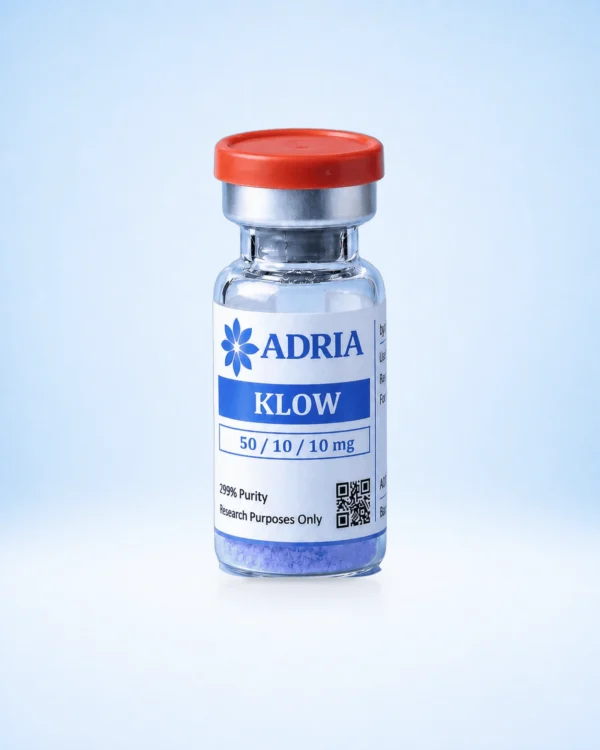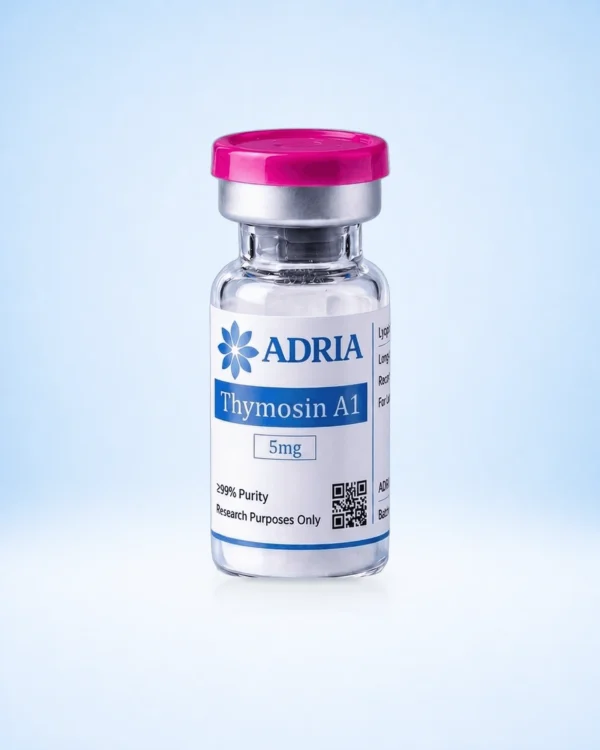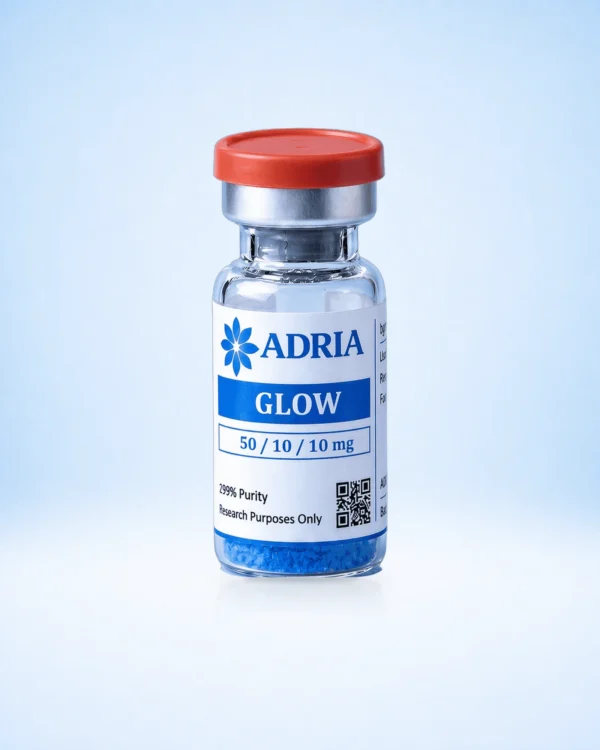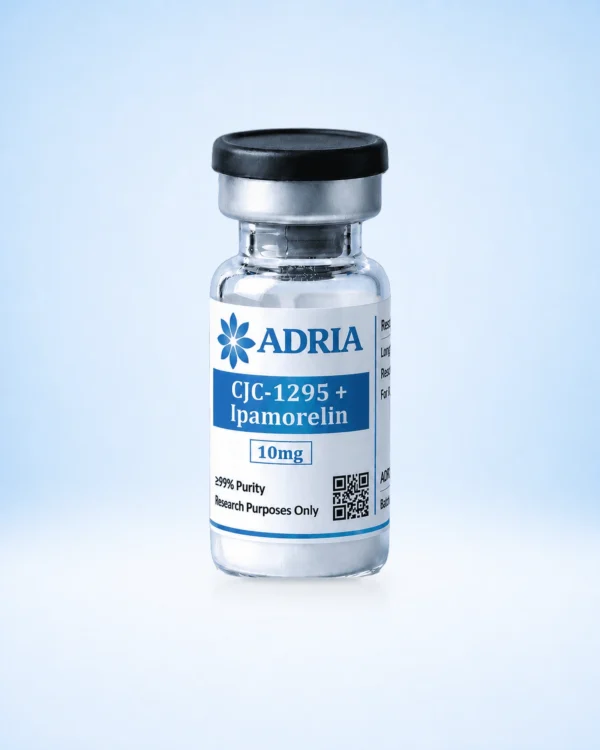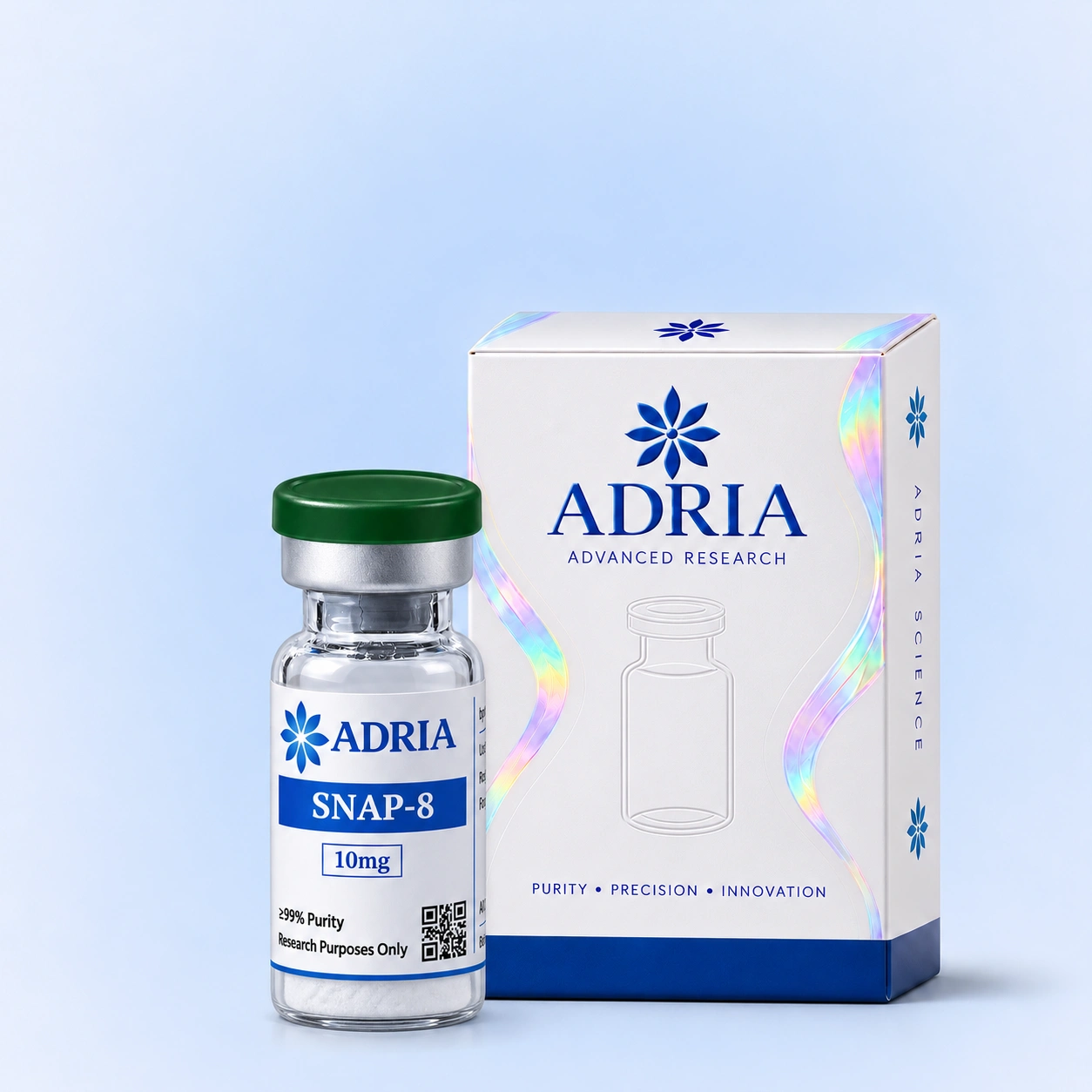
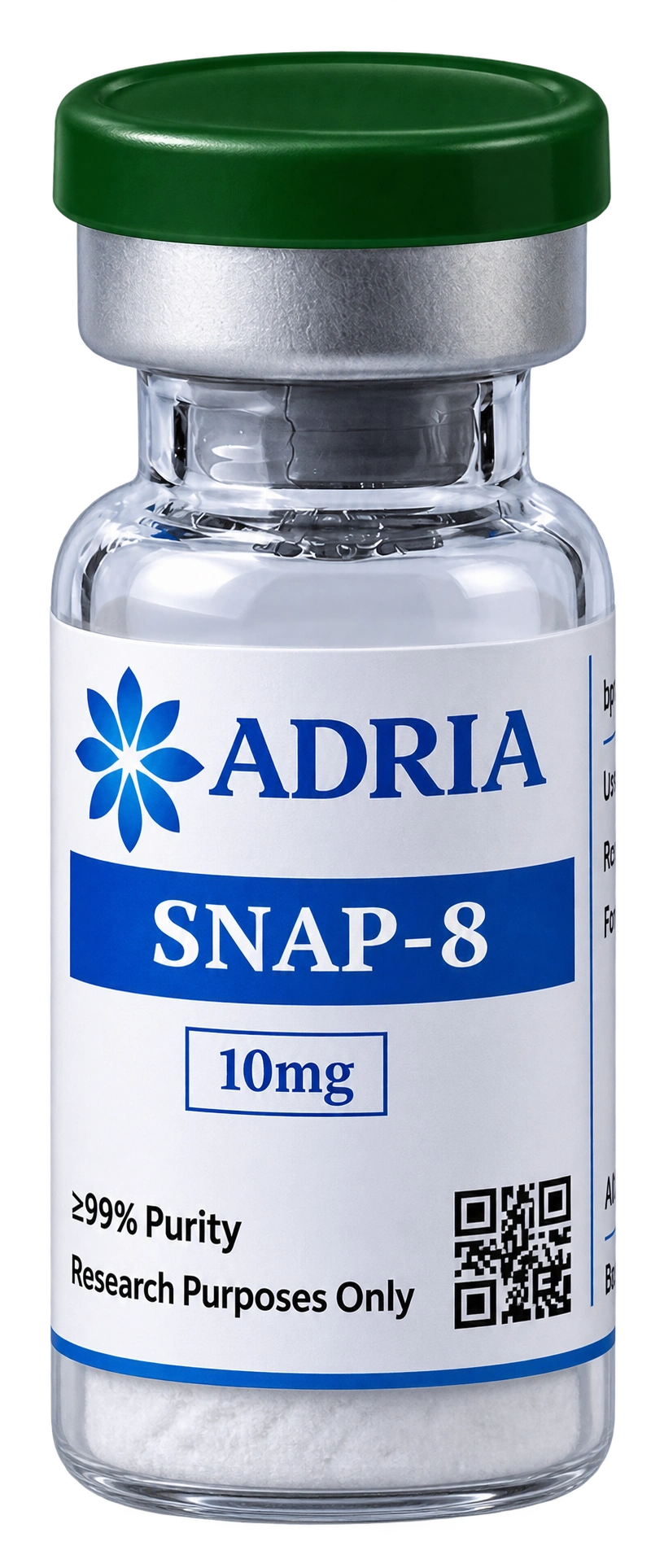
Peptide appearance
Lyophilized form helps protect peptide quality. Peptides are supplied as a dry powder, which may look like a compact "puck" or a lighter powder inside the vial.
Because the peptide is dry, it does not require refrigerated shipping during normal transit, including warm seasonal conditions. For longer storage, follow the storage guidance in the product description.
Appearance can vary. The stated peptide content is checked through third-party analysis.
Read more in the product description.
Solution not bundled
Peptides are delivered as lyophilized powder. This dry form helps preserve peptide quality during storage and transport and does not require refrigerated shipping during normal transit.
To prepare a solution, use a solvent such as Bacteriostatic water. It is sold separately, so add it only when you need it for peptide preparation.
Read more in the product description.
Dermal
SNAP-8
Low stock
Order within — to ship today
Arrives 26 – 30 November to Europe


 Shown at checkout
SNAP-8
59,95 €
SNAP-8 is valued for its targeted modulation of neuromuscular signaling related to wrinkle formation. Unlike peptides focused on regeneration or metabolism, SNAP-8 specifically addresses expression line dynamics and skin surface smoothing.
Compound information
Specifications
Molecular profile
- Sequence
- Ac–Glu–Glu–Met–Gln–Arg–Arg–Ala–Asp–NH₂
- Molecular mass
- 1075.2 g/mol (peptide)
- CAS number
- 868844-74-0
- Molecular formula
- C41H70N16O16S (peptide)
Material record
- Product note
- 10 mg per vial. Acetyl octapeptide-3 (8 amino acids). Supplied purity specification: ≥99% (HPLC). Identity method listed: LC-MS; no product-specific test report is currently available. For laboratory research use only.
- Physical appearance
- Lyophilized powder.
- Salt form
- Counter-ion not specified for the supplied material.
- Solubility
- Soluble in bacteriostatic water.
Research overview
SNAP-8
What Is SNAP-8?
SNAP-8 (Acetyl Octapeptide-3) is a peptide analog derived from the N-terminal region of SNAP-25, a core component of the SNARE protein complex that docks synaptic vesicles before neurotransmitter release at the neuromuscular junction. It is structurally related to the shorter hexapeptide Argireline (Acetyl Hexapeptide-8) but carries an extended eight-residue sequence that researchers study for potentially stronger interaction with the SNARE assembly.
In research settings, this mechanism is examined as a topical alternative to injectable approaches for reducing the appearance of expression lines. Labs that buy SNAP-8 often study it alongside related cosmetic peptides covered in our skin peptide comparison guide and our broader guide to peptides for skin research.
Key Research Applications
Laboratories that buy SNAP-8 typically incorporate it into one or more of the following research applications, often selecting it because its mechanism is well documented relative to newer signal peptides:
- • Expression Wrinkle Research: Studied for its potential to reduce the depth and formation of dynamic wrinkles caused by repeated facial muscle contraction, particularly around the eyes and forehead.
- • SNARE Complex Inhibition Studies: Used to model how blocking vesicle-fusion proteins affects acetylcholine release at synaptic junctions, offering insight into neuromuscular signaling pathways.
- • Topical Formulation Research: Investigated for stability and delivery in serum, gel, and emulsion bases, often in combination with other cosmetic peptides.
- • Comparative Cosmeceutical Research: Benchmarked against hexapeptide analogs such as Argireline to evaluate relative potency and duration of effect in neuromuscular signaling assays.
- • Dose-Response Modeling: Applied in concentration-gradient studies to characterize the relationship between SNAP-8 concentration and observed inhibition of neurotransmitter release.
Detailed Mechanism of Action: SNARE Complex Inhibition
The SNARE complex is a group of proteins — SNAP-25, syntaxin, and VAMP (synaptobrevin) — that mediate the fusion of synaptic vesicles with the presynaptic membrane, a step required for acetylcholine release at the neuromuscular junction. When these three proteins zip together into a stable four-helix bundle, the vesicle is pulled against the membrane and its contents are released into the synaptic cleft.
SNAP-8 is modeled on the N-terminal end of SNAP-25 and is designed to compete with the native protein for its position in that bundle. In research models, this competition is associated with a less stable SNARE complex, reduced vesicle fusion, and, downstream, reduced muscle contraction signaling.
This is the same general pathway targeted by injectable neuromodulators, but SNAP-8 is studied exclusively as a topical research compound rather than an injectable one, which is why most labs buy SNAP-8 for formulation and cell-based work rather than in vivo injection models.
Because the eight-residue sequence of SNAP-8 differs from shorter hexapeptide analogs, research protocols frequently examine whether the extended structure translates into different binding kinetics or a longer duration of activity in cell culture models. Investigators who buy SNAP-8 for this work typically document dose-response relationships in vitro, examining how varying concentrations affect the degree of SNARE complex inhibition observed in cell-based assays.
Readers looking for a deeper grounding in vesicle fusion biology can consult the PubMed-indexed review SNARE function revisited, which summarizes how SNAP-25, syntaxin, and synaptobrevin cooperate during exocytosis. Our peptide glossary also defines the terminology used throughout SNAP-8 research write-ups.
Published Research
The scientific basis for SNAP-8 comes from work on its shorter predecessor. Blanes-Mira and colleagues (International Journal of Cosmetic Science, 2002) first described a hexapeptide patterned on the N-terminus of SNAP-25, showing that it inhibited SNARE complex assembly and catecholamine release in vitro and reduced wrinkle depth by roughly 30% after 30 days of topical application in a small human study.
SNAP-8 was developed afterward as an extended analog of that sequence, and most groups that buy SNAP-8 today cite this lineage when justifying the compound in their protocols.
Wang and colleagues (2013) later published a randomized, placebo-controlled study of the hexapeptide in Chinese subjects, reporting a significant anti-wrinkle effect after four weeks of twice-daily application. Objective roughness measurements from silicone replicas decreased in the treatment group, with no comparable change in the placebo group. Together these studies established the SNARE-mimic concept that SNAP-8 research builds upon.
More recently, a 2021 randomized, double-blind, placebo-controlled trial of a serum built around neuromodulating peptides followed 55 women aged 35 to 60 for 12 weeks. Dermatologist grading, VISIA photography, and 3D PRIMOS imaging all favored the peptide serum over placebo for expression lines at weeks 4, 8, and 12.
Researchers who buy SNAP-8 for comparative work often use these designs as a template for their own in vitro and ex vivo protocols. Many also combine findings from SNAP-8 research with the longevity-focused compounds discussed in our guide to peptides for longevity and anti-aging research when designing broader skin-aging study frameworks.
For laboratory purposes and personal observation only. Not for human consumption.
Laboratory care
Handling
Material in transport
Follow the handling and storage information supplied with the material.
Storage of dry material
Store powder at -20 °C, protected from light and moisture.
Storage of prepared laboratory solutions
Store prepared solution at 2–8 °C and use appropriate laboratory handling procedures. No product-specific solution shelf life is stated.
Analytical documentation
Tests
No test report is currently available for this product.
Source record
References
Cayman Chemical. Acetyl Octapeptide-3, Item No. 27260. Product information, 29 October 2026. Compound identity reference; not a Certificate of Analysis for this ADRIA product.
Customer reviews

Quality products,fast shipping,great refferal plan,only downside is that products in 4 mounths since my first order got more and more expensive ,but overall verry good experience.
Read full review →More than 2 weeks for package dispatch. They promised one free peptide next time. Sent me new tracking number but package still wasn't delivered to fedex. Last package (much much cheaper) was delivered in less than week. I will update if they will send my package. ok,package sent.
Read full review →Extremely satisfied with the product quality and overall experience. The customer service is polite and quick. All recommendations!
Read full review →Great service!
Read full review →Always on time and customer care is super great
Read full review →Fast good, and quality is perfect
Read full review →ordered 3 times now and everything ok every time.
Read full review →Trustworthy site with a huge catalog of products. Been purchasing from them for some time now never got disappointed. I could only recommend them.
Read full review →Great quality product
Read full review →Everything was great, super customer support, honest, reliable
Read full review →Everything ok. With little problem with package, but after contact with Customer Service everything went right. Good quality of products
Read full review →Excellent. Buying peptides online can be nerve wracking! But Adria are very transparent about all the checks and certifications. My experience with them was excellent. Great products at good prices and efficient P&P
Read full review →Continue exploring