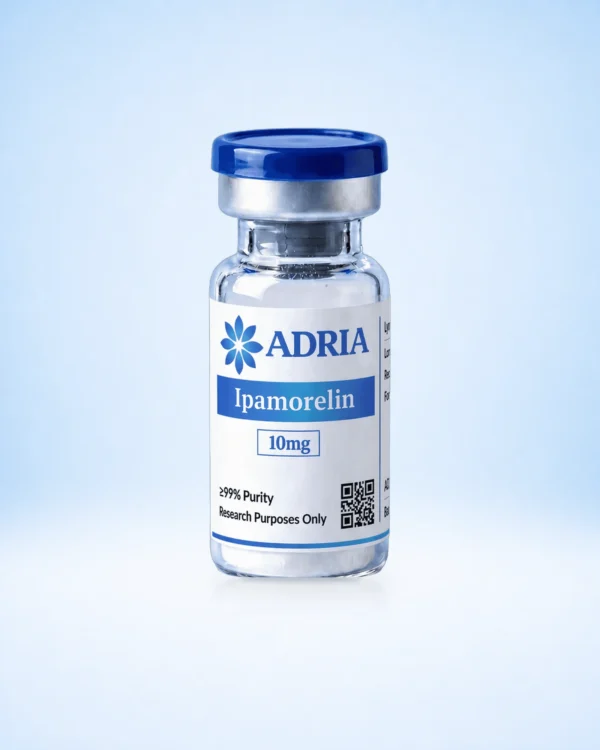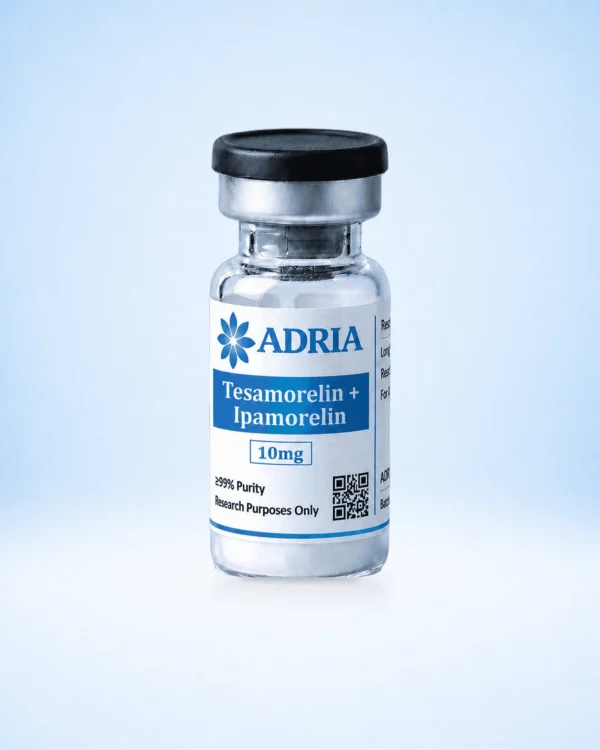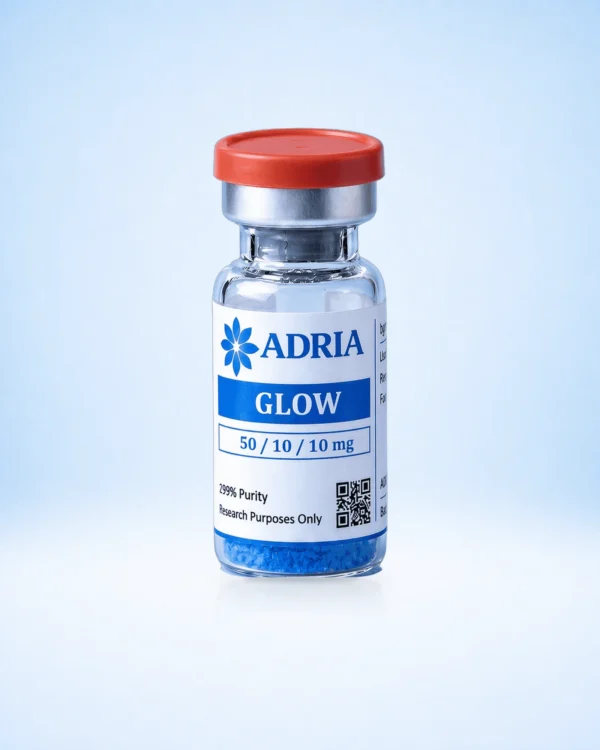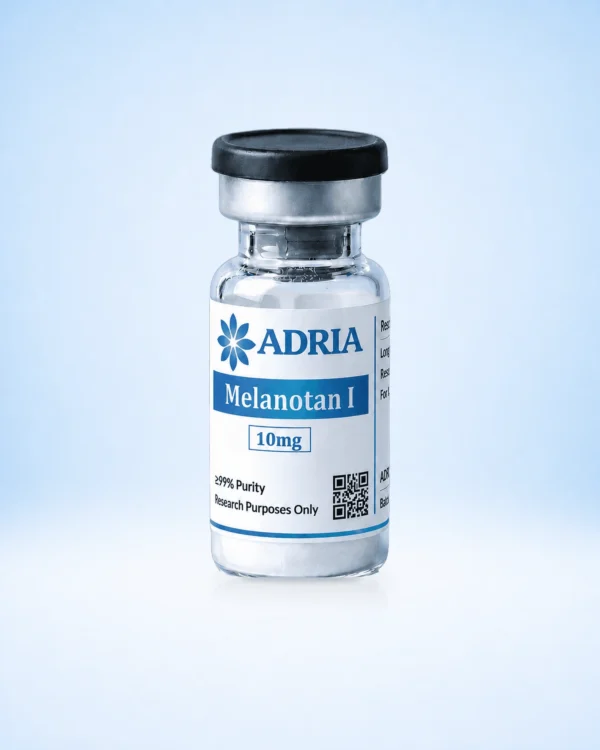
Peptide appearance
Lyophilized form helps protect peptide quality. Peptides are supplied as a dry powder, which may look like a compact "puck" or a lighter powder inside the vial.
Because the peptide is dry, it does not require refrigerated shipping during normal transit, including warm seasonal conditions. For longer storage, follow the storage guidance in the product description.
Appearance can vary. The stated peptide content is checked through third-party analysis.
Read more in the product description.
Solution not bundled
Peptides are delivered as lyophilized powder. This dry form helps preserve peptide quality during storage and transport and does not require refrigerated shipping during normal transit.
To prepare a solution, use a solvent such as Bacteriostatic water. It is sold separately, so add it only when you need it for peptide preparation.
Read more in the product description.
Longevity and Anti-aging
Glutathione
In stock
Order within — to ship today
Arrives 26 – 30 November to Europe


 Shown at checkout
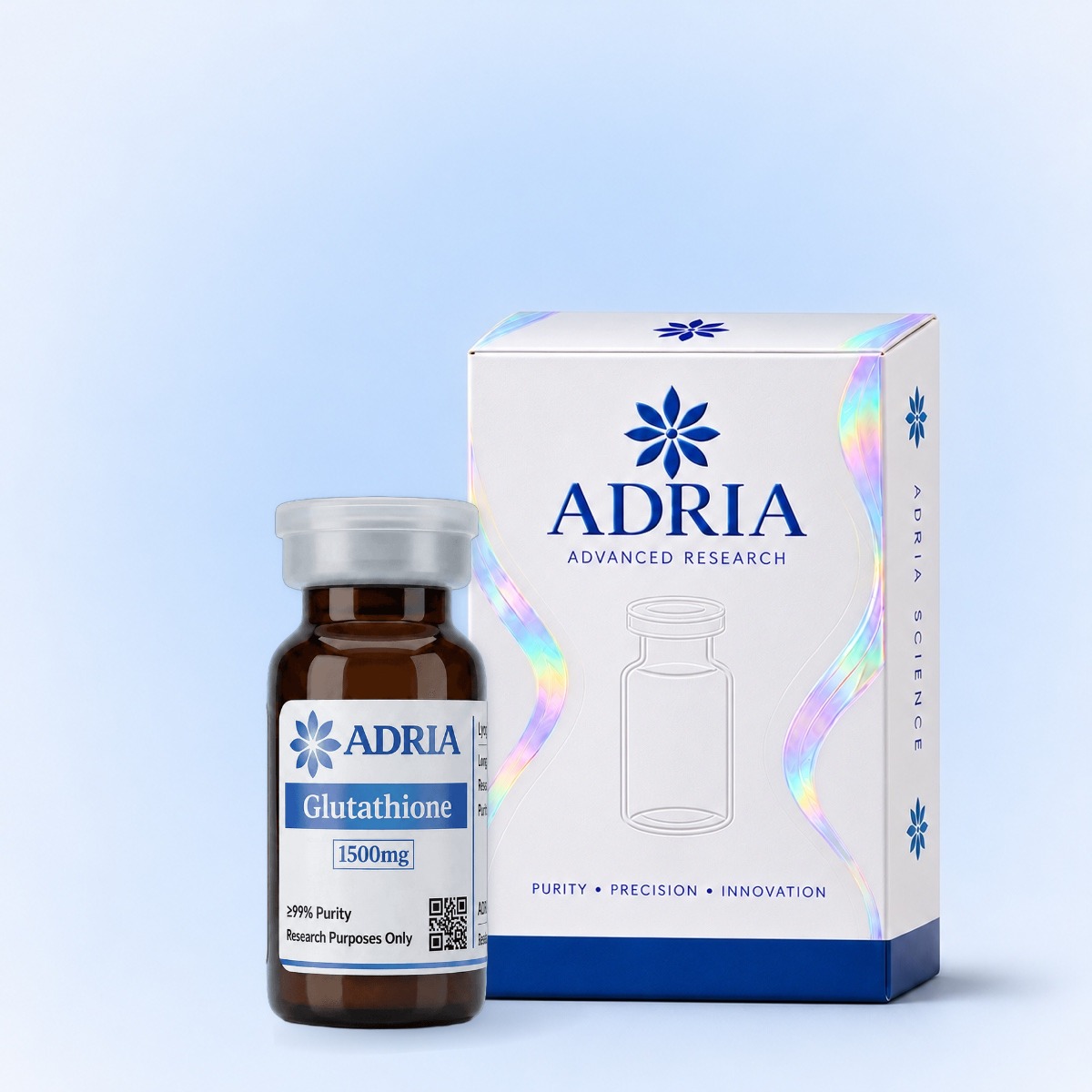
Glutathione
57,50 €
Reduced glutathione reference material for redox, thiol, and oxidative-stress models.
Compound information
Specifications
Molecular profile
- Sequence
- gamma-Glu-Cys-Gly
- Molecular mass
- 307.32 g/mol
- CAS number
- 70-18-8
- Molecular formula
- C10H17N3O6S
Material record
- Physical appearance
- White to off-white powder
- Solubility
- Soluble in bacteriostatic water and suitable aqueous laboratory solvents.
- Product note
- Tripeptide redox-system research compound; supplied strictly for research use only.
Research overview
Glutathione
What Is Glutathione?
Glutathione (γ-L-glutamyl-L-cysteinyl-glycine) is a tripeptide built from glutamate, cysteine, and glycine. It is the most abundant non-protein thiol in mammalian cells, where it neutralizes reactive oxygen species, recycles vitamins C and E, and conjugates toxins for export. Researchers studying redox biology, immune function, detoxification, and aging rely on it as a core experimental reagent.
Before you buy glutathione for the first time, it helps to understand how peptides are handled, dosed, and stored in a research setting. Our Complete Guide to Peptides is the best place to start.
Key Research Applications
- Oxidative Stress Modulation: GSH is the cell’s primary reducing agent, scavenging free radicals and maintaining the GSH:GSSG ratio that labs use as a benchmark of redox status.
- Immune Cell Function: Lymphocyte proliferation, cytokine signaling, and natural killer cell activity are all GSH-dependent, which is why immunology labs buy glutathione as a positive-control reagent.
- Liver Detoxification Pathways: Hepatic glutathione conjugation is the central Phase II detoxification step studied across toxicology and pharmacology models.
- Mitochondrial Protection: The mitochondrial GSH pool guards the inner membrane against lipid peroxidation and supports ATP output — a growing focus of longevity research.
Detailed Mechanism of Action
When researchers buy glutathione for in vitro or in vivo work, they are working with a molecule whose activity centers on the free thiol (–SH) group of its cysteine residue. That sulfhydryl donates electrons to oxidized proteins, lipids, and DNA bases, neutralizing reactive oxygen species before they cause irreversible damage. Two GSH molecules are oxidized to one molecule of glutathione disulfide (GSSG) in the process.
Glutathione reductase then regenerates GSH from GSSG using NADPH as a cofactor. The resulting GSH:GSSG ratio — typically well above 100:1 in healthy cytosol — is one of the most widely used biomarkers of cellular redox status. A shift toward GSSG is an early, measurable signal of oxidative stress, and it is the readout most labs that buy glutathione as a reagent are ultimately tracking.
GSH also serves as the obligate cofactor for the glutathione peroxidase family (GPx1–8), selenoenzymes that reduce hydrogen peroxide and lipid hydroperoxides to water and alcohols. In glutathione S-transferase (GST) reactions, GSH is conjugated to electrophilic xenobiotics and drug metabolites, tagging them for export through multidrug-resistance transporters and completing Phase II detoxification.
A distinct mitochondrial pool (mGSH) protects the inner mitochondrial membrane from lipid peroxidation and preserves membrane potential. Depletion of mGSH sensitizes cells to apoptosis, which is why labs that buy glutathione for mitochondrial studies need high-purity, properly handled material.
Forman and colleagues provide a comprehensive overview of these protective roles, measurement methods, and biosynthesis in Molecular Aspects of Medicine, a reference worth reading before designing any redox assay.
Why Choose Glutathione?
- Glutathione is one of the most important endogenous compounds used in research into antioxidant defense, cellular redox regulation, mitochondrial protection, and oxidative stress.
- Unlike experimental peptides that act through a narrowly defined receptor pathway, glutathione participates in numerous fundamental biochemical systems throughout the cell.
Published Research on Glutathione
Dröge and Breitkreutz (2000) established in the Proceedings of the Nutrition Society that intracellular glutathione levels govern T-cell proliferation and cytokine signaling, with GSH depletion linked to immune dysfunction in aging and chronic disease. Their framework still shapes how immunology groups that buy glutathione design GSH-repletion experiments today.
Richie et al. (2015) ran a six-month randomized, double-blind, placebo-controlled trial of oral glutathione at 250 mg or 1,000 mg per day in 54 healthy adults. Published in the European Journal of Nutrition, the study reported significant, dose-dependent increases in erythrocyte, plasma, and lymphocyte GSH.
The same trial recorded a more than two-fold rise in natural killer cell cytotoxicity at three months in the high-dose group. Those numbers are a common reference point for researchers who buy glutathione to plan systemic dosing protocols in translational models.
Sinha et al. (2018) followed with a four-week liposomal glutathione study (500 mg or 1,000 mg per day) in the European Journal of Clinical Nutrition, documenting elevated GSH stores, lower oxidative-stress markers, and enhanced NK-cell cytotoxicity and lymphocyte proliferation.
In dermatology, Weschawalit et al. (2017) reported in Clinical, Cosmetic and Investigational Dermatology that 250 mg per day of glutathione over 12 weeks lowered melanin index and improved skin elasticity and wrinkle scores versus placebo. Dermatology groups that buy glutathione for pigmentation models can explore related work in our Best Peptides for Skin Research guide.
For laboratory purposes and personal observation only. Not for human consumption.
Laboratory care
Handling
Peptides in transport
Peptides in lyophilized form are supplied in glass vials by standard shipping methods and do not require refrigeration. Short-term temperature fluctuations during transport will not reduce their quality and efficacy. Even at high summer temperatures, the peptides in lyophilized form are stable for several weeks.
Storage of lyophilized peptides
Lyophilized peptides should be stored in a dry place, protected from light and moisture. The following storage conditions are generally recommended:
- Room temperature (15–25 °C): Up to 3 months
- Refrigerated (2–8 °C): Up to 6 months
- Frozen (-20 °C or below): 3–5 years (recommended for long-term storage)
Allow the vial to reach room temperature after taking it out of the refrigerator or freezer.
Storage of reconstituted peptides
Once reconstituted, peptide solutions are generally less stable than their lyophilized form and should be stored under refrigerated conditions whenever possible.
The following storage conditions are generally recommended:
- Room temperature (15–25 °C): Avoid prolonged storage
- Refrigerated (2–8 °C): Typically 4–8 weeks
- Frozen (-20 °C or below): Up to 3–4 months
To preserve peptide integrity, avoid repeated freeze–thaw cycles, as these may accelerate peptide degradation.
Important: Most manufacturers recommend discarding reconstituted peptides within 4 weeks when stored at 2–8 °C. This recommendation is intentionally conservative and may not reflect the actual chemical stability of every peptide. In our own stability studies, many peptides reconstituted in bacteriostatic water showed no detectable degradation after 12 weeks of refrigerated storage. As peptide stability is highly sequence- and formulation-dependent, this result should not be extrapolated to all peptides without supporting stability data.
Analytical documentation
Tests
Documentation is available on request
Contact us for the current record for this strength. We never substitute a generic or mismatched certificate.
Your batch is confirmed when your order is allocated.Source record
References
National Center for Biotechnology Information
PubChem Compound Summary: Glutathione
Authoritative identity record for reduced glutathione.
PubChem View source ↗Chemical Abstracts Service
CAS Common Chemistry: 70-18-8
Authoritative CAS Registry Number record for glutathione.
CAS Common Chemistry View source ↗Ngamchuea K, Batchelor-McAuley C, Compton RG · 2016
The Copper(II)-Catalyzed Oxidation of Glutathione
Primary chemical study of glutathione oxidation kinetics and mechanism.
Chemistry - A European Journal · 10.1002/chem.201603366 View source ↗Richie JP Jr, Nichenametla S, Neidig W, Calcagnotto A, Haley JS, Schell TD, Muscat JE · 2015
Randomized controlled trial of oral glutathione supplementation on body stores of glutathione
European journal of nutrition View source ↗Arjinpathana N, Asawanonda P · 2012
Glutathione as an oral whitening agent: a randomized, double-blind, placebo-controlled study
The Journal of dermatological treatment View source ↗Søndergård SD, Cintin I, Kuhlman AB, Morville TH, Bergmann ML, Kjær LK, Poulsen HE, Giustarini D, Rossi R, Dela F, Helge JW, Larsen S · 2021
The effects of 3 weeks of oral glutathione supplementation on whole body insulin sensitivity in obese males with and without type 2 diabetes: a randomized trial
Applied physiology, nutrition, and metabolism = Physiologie appliquee, nutrition et metabolisme View source ↗Honda Y, Kessoku T, Sumida Y, Kobayashi T, Kato T, Ogawa Y, Tomeno W, Imajo K, Fujita K, Yoneda M, Kataoka K, Taguri M, Yamanaka T, Seko Y, Tanaka S, Saito S, Ono M, Oeda S, Eguchi Y, Aoi W, Sato K, Itoh Y, Nakajima A · 2017
Efficacy of glutathione for the treatment of nonalcoholic fatty liver disease: an open-label, single-arm, multicenter, pilot study
BMC gastroenterology View source ↗Natarajan K, Yin G, Berk BC · 2004
Scaffolds direct Src-specific signaling in response to angiotensin II: new roles for Cas and GIT1
Molecular pharmacology View source ↗Torpdahl M, Sørensen G, Ethelberg S, Sandø G, Gammelgard K, Jannok Porsbo L · 2006
A regional outbreak of S. Typhimurium in Denmark and identification of the source using MLVA typing
Euro surveillance : bulletin Europeen sur les maladies transmissibles = European communicable disease bulletin View source ↗Customer reviews

Quality products,fast shipping,great refferal plan,only downside is that products in 4 mounths since my first order got more and more expensive ,but overall verry good experience.
Read full review →More than 2 weeks for package dispatch. They promised one free peptide next time. Sent me new tracking number but package still wasn't delivered to fedex. Last package (much much cheaper) was delivered in less than week. I will update if they will send my package. ok,package sent.
Read full review →Extremely satisfied with the product quality and overall experience. The customer service is polite and quick. All recommendations!
Read full review →Great service!
Read full review →Always on time and customer care is super great
Read full review →Fast good, and quality is perfect
Read full review →ordered 3 times now and everything ok every time.
Read full review →Trustworthy site with a huge catalog of products. Been purchasing from them for some time now never got disappointed. I could only recommend them.
Read full review →Great quality product
Read full review →Everything was great, super customer support, honest, reliable
Read full review →Everything ok. With little problem with package, but after contact with Customer Service everything went right. Good quality of products
Read full review →Excellent. Buying peptides online can be nerve wracking! But Adria are very transparent about all the checks and certifications. My experience with them was excellent. Great products at good prices and efficient P&P
Read full review →Continue exploring