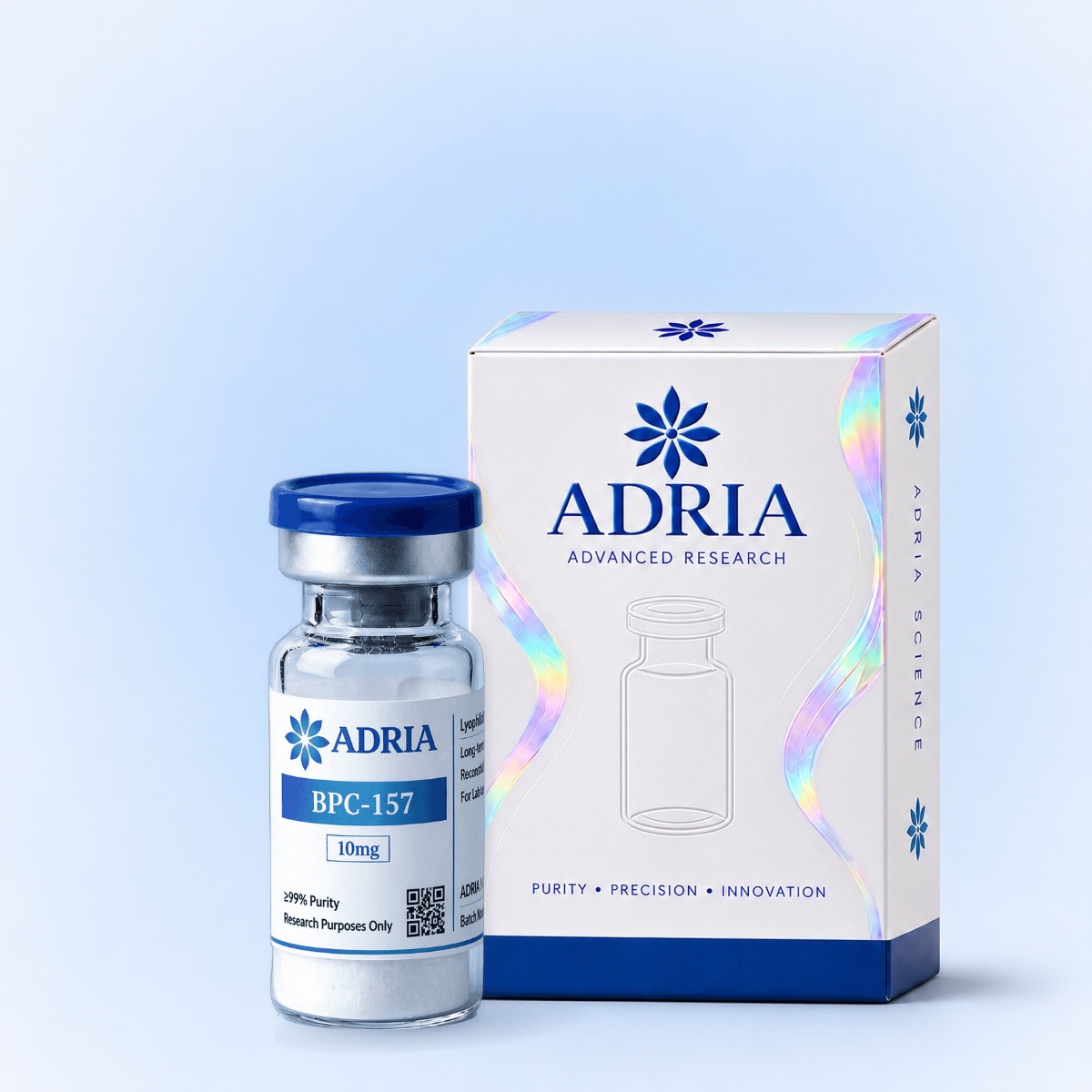
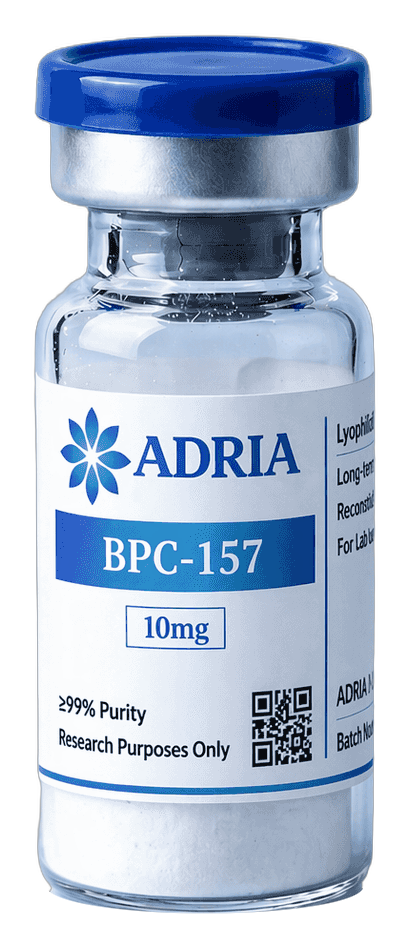
Peptide appearance
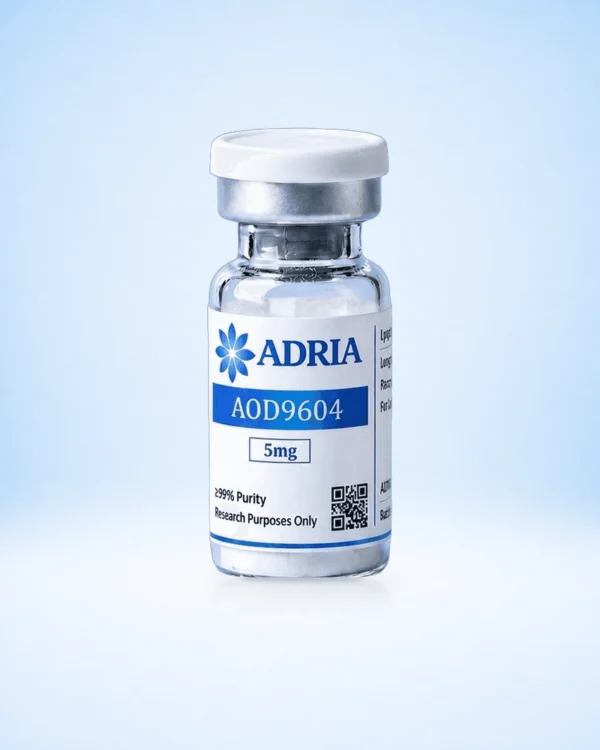
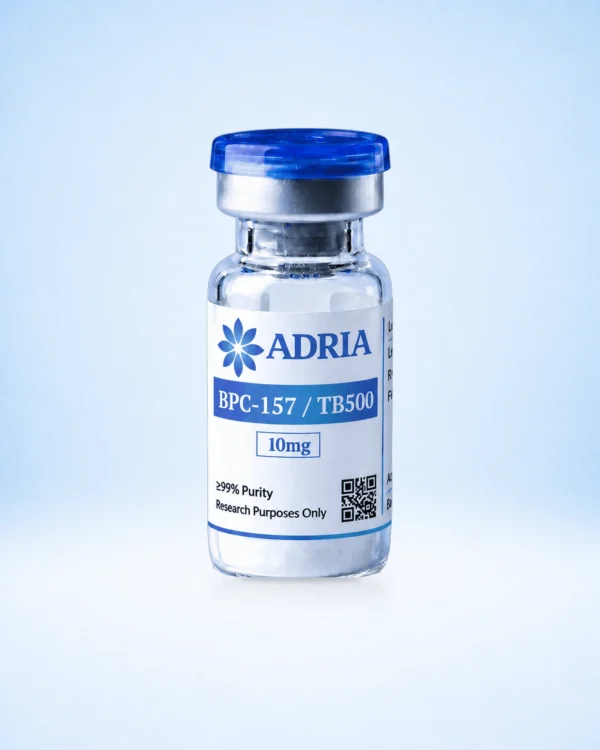
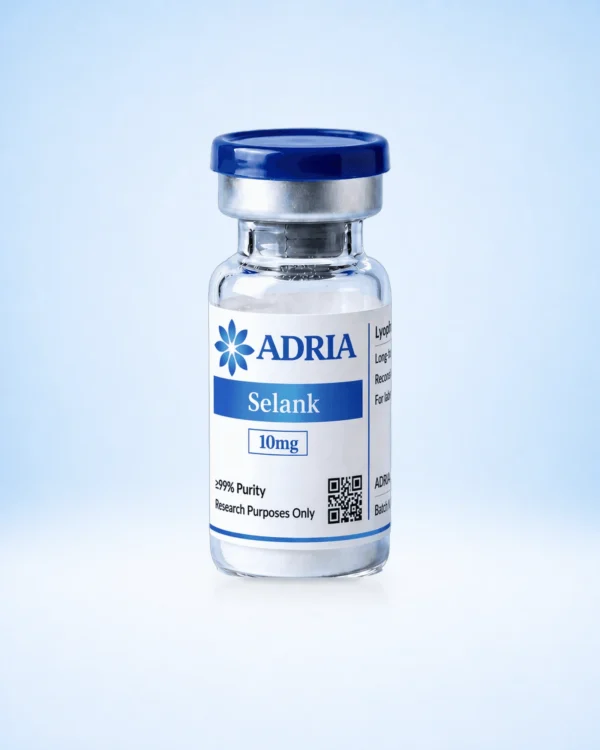
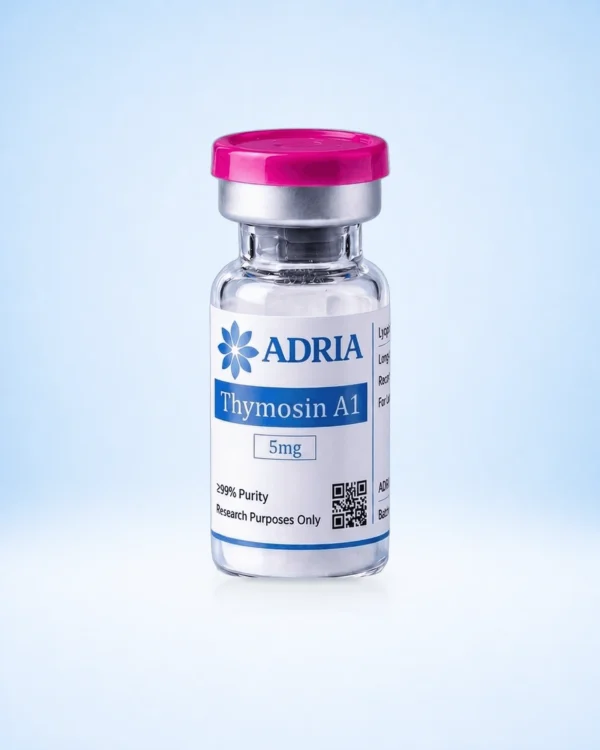
Lyophilized form helps protect peptide quality. Peptides are supplied as a dry powder, which may look like a compact "puck" or a lighter powder inside the vial.
Because the peptide is dry, it does not require refrigerated shipping during normal transit, including warm seasonal conditions. For longer storage, follow the storage guidance in the product description.
Appearance can vary. The stated peptide content is checked through third-party analysis.
Read more in the product description.
Solution not bundled
Peptides are delivered as lyophilized powder. This dry form helps preserve peptide quality during storage and transport and does not require refrigerated shipping during normal transit.
To prepare a solution, use a solvent such as Bacteriostatic water. It is sold separately, so add it only when you need it for peptide preparation.
Read more in the product description.
Healing and Regeneration
BPC-157
In stock
Order within — to ship today
Arrives 26 – 30 November to Europe


 Shown at checkout
BPC-157
51,50 €
BPC-157 reference peptide for tissue-signalling, gut-barrier, and repair-pathway models.
Compound information
Specifications
Molecular profile
- Sequence
- Gly-Glu-Pro-Pro-Pro-Gly-Lys-Pro-Ala-Asp-Asp-Ala-Gly-Leu-Val
- Molecular mass
- 1419.54 g/mol
- CAS number
- 137525-51-0
- Molecular formula
- C62H98N16O22
Material record
- Physical appearance
- White to off-white lyophilized powder
- Solubility
- Soluble in bacteriostatic water and suitable aqueous laboratory solvents.
- Product note
- Synthetic pentadecapeptide; supplied strictly for research use only.
Research overview
BPC-157
BPC-157
The BPC-157 research peptide represents a potential healing compound, which after research in humans could be a successful remedy for many kinds of injuries, including organ, glut, skin disorders and wounds. This partial sequence from human gastric protective protein BPC, which is naturally found in the human digestive tract and has been derived from human gastric juices was discovered in the 1990s by a group of scientists studying its impact mostly on gastrointestinal functions and wound healing.
In numerous studies in cultures and animals the penta-decapeptide has demonstrated consistently positive and prompt healing effects for most of the systemic or traumatic injuries. This high regenerative and healing ability was found to function not only for plethora of soft tissues, muscles and ligaments, but also for inner organs, skin, nervous system and treating problems as ulcers, Crohn's disease or leaky gut problems. It also has analgesic effects and enhances reticulin and collagen production, angiogenesis, along with stimulation of macrophage and fibroblast infiltration. Furthermore, research studies have also shown its ability to assist in faster healing of chemical skin burns by increasing blood flow to damaged tissues.
Let us show a glimpse of research study conclusions on BPC-157.
Overview of Published Research
There are several studies aimed to clarify the exact mechanism of BPC-157 wound healing. Research in male rats explored the effect of BPC-157 on fibroblasts isolated from Achilles tendon. According to the cDNA microarray analysis BPC-157 increased the expression of growth hormone receptor in tendon fibroblasts. These are the cells, which are an integral part of wound healing, and are responsible for storing extracellular matrix proteins such as collagen, fibrin, elastin, etc. BPC-157 has been shown to affect fibroblast proliferation in culture and in vivo in a dose-dependent, and time-dependent manner, and the cells both proliferate and migrate faster as a result. To confirm the results tendon fibroblasts were treated with BPC-157 at different concentration for 24 h, showing that the expression of GH receptor increases in dose-dependent manner causing proliferatio-promoting effect of GH which could have potential healing effect. Up to sevenfold increases were observed at day three.
BPC-157 was explored as a potential reagent for treating chemically burned skin in deeply injured tissues in alkali burn injuries of rats. The results showed that the peptide could accelerate the healing process by the mechanism associated with accelerated granulation tissue formation, reepithelialization, dermal remodeling, and collagen deposition through ERK1/2 signaling pathway.
Vascular growth plays an important role in growth of tissues and regeneration in the body, and refers to the process by which blood vessels develop and grow. Various physiological and pathological states, such as wound healing, tumor growth or regeneration after damage can be connected with this processes. Studies indicated, that BPC-157 is a strong angiogenic factor that stimulates the growth rate and proliferation of endothelial cells. Part of the mechanism by which BPC-157 promotes vascular endothelial cell growth occurs through stimulation of the cell surface receptor VEGFR2, which is active in the nitric oxide signaling pathway. In vitro study using human vascular endothelial cells further confirmed the increased mRNA and protein expressions of VEGFR2 but not VEGF-A.
Research in rats investigated whether duodenal lesions induced by major venous occlusions can be reduced by BPC 157 peptide regardless nitric oxide (NO) system participation, and came to conclusion, that the peptide quickly avoided occlusion, and could rescue the original duodenal flow. This happened through the inferior anterior pancreaticoduodenal vein to superior mesenteric vein flow, which is an effect related to the NO system and reduction of free radical formation.
This stable gastric penta-decapeptide was used also to provide new insights in treatment of colitis and ischemia and reperfusion in rats, where it was able to quickly restore blood supply to the ischemically injured areas and rapidly activated the growth rate of collateral blood vessels involved the NO system. Another new insight showed, that BPC 157 application largely decreased or even completely removed all results of inferior cavil vein ligation in rats such as direct vein injury, thrombosis, thrombocytopenia or prolonged bleeding. Further, it can be concluded that BPC-157 alleviates GI lesions, but also lesions in liver and brain as well as cardiovascular, neurological, and muscular tissue, for which there is already some research evidence. BPC-157 activates vessel passing by the defected area, and making collateral veins functioning - reestablishing blood flow in injured area.
BPC-157 is also known as anti-ulcer peptide which can heal and protect different body organ lesions while preserving the natural integrity of the mucosal barrier in the GI tract. The peptide works in large scale of beneficial effects even much more than standard cytoprotective agents do. BPC 157 as prototype cytoprotective agent should also control blood vessel function, depending upon injury, perforated defect or vessel obstruction.
Tendon injuries are very common, their healing is often difficult, and very slow. In addition, the healed tendons are usually weaker than before injury. New therapeutical treatment is therefore important to develop. BPC-157 accelerates fibroblasts recruitment, and blood supply into injured tissues, it promotes wound regeneration in tendons, ligaments, muscles and bones, which has been demonstrated in vitro and in vivo research on rat tendons. Research concluded that the peptide was more effective than the hormones bFGF, EFG, and VGF in promoting healing the tissues accurately implementing its own angiogenic healing effect.
Furthermore, BPC-157 is a potent stimulator of F-actin production in fibroblasts, which was revealed by experiments using FITC-phalloidin staining, and analysis by Western blotting showed that BPC-157 enhances phosphorylation of paxillin and FAK proteins - critical proteins in the cell migration pathway. In conclusion, BPC 157 promotes the ex vivo outgrowth of tendon fibroblasts from tendon explants, cell survival under stress, and the in vitro migration of tendon fibroblasts, which is likely mediated by the activation of the FAK-paxillin pathway.
The BPC-157 peptide also appears to be a potent antioxidant and can neutralize markers of oxidative stress such as nitric oxide (NO) and malondialdehyde (MDA). Research in rats showed that it can reduce the production of reactive oxygen species in the GI tract. Lactic acid bacteria have been investigated as a suitable means of delivering therapeutic proteins or peptides to mucosal surfaces in the body. BPC-157 is able to prevent and treat gastrointestinal inflammation by reducing the production of reactive oxygen species. In this study, Lactococcus lactis was used as a vector to deliver BPC-157 to the surface of GI.
Another potential benefit that the BPC-157 peptide has been found to have is counteracting the side effects of certain drugs. These are mainly non-steroidal anti-inflammatory drugs (NSAIDs), drugs given for psychiatric conditions or heart medications, neuroleptics and prokinetics. Due to serious side effects many cannot be taken long-term. But the peptide helps to eliminate side effects acting not only on the GI tract but also on the brain, heart or other tissues, again confirmed by animal studies.
Of particular interest is the action of BPC-157 in the context of cardiac arrhythmias. Commonly, neuroleptics and prokinetics induce a prolonged QTc interval. The peptide in fact, can protect against prolongation of the QTc state of the heart in rats under daily administration of dopamine neuroleptics or prokinetics, which can lead to serious or even fatal arrhythmias. Previously, in rats and mice, BPC 157 also counteracted neuroleptic-induced catalepsy and gastric ulcers. This happens, for example, also when taking medications for diabetes, schizophrenia and other psychiatric conditions. It has been shown to fully interact with dopamine system, centrally and peripherally.
Experiments on oral administration of sugar syrup with BPC-157 into the GI tract of honey bees have reported positive effects on Nosema Ceranae invasions and so-called CCD syndrome of colony collapse disorder. However, it is thought that this disease could be caused by an infection in the bees' gut caused by the fungus Nosema ceranae, which often causes enormous damage and the death of entire colonies of bees. Supplementing the bees' diet during 21 consecutive days with BPC-157 reduced the damage, in particular, the damage of the outer muscular coat, and increased the survival rate of the colonies in field.
BPC-157 has been the subject of research in cell culture, particularly in animals, and looks very promising not only as a therapeutic agent for wound healing or regulation of vascular growth, but also as a tool to examine these processes in detail. Further research also in humans would be very favorable. The peptide could also shed more light on the process of angiogenesis, which is important in wound healing, but also in cancer growth and development and in embryogenesis. However, the peptide had minimal side effects in mice.
For laboratory purposes and personal observation only. Not for human consumption.
Laboratory care
Handling
Peptides in transport
Peptides in lyophilized form are supplied in glass vials by standard shipping methods and do not require refrigeration. Short-term temperature fluctuations during transport will not reduce their quality and efficacy. Even at high summer temperatures, the peptides in lyophilized form are stable for several weeks.
Storage of lyophilized peptides
Lyophilized peptides should be stored in a dry place, protected from light and moisture. The following storage conditions are generally recommended:
- Room temperature (15–25 °C): Up to 3 months
- Refrigerated (2–8 °C): Up to 6 months
- Frozen (-20 °C or below): 3–5 years (recommended for long-term storage)
Allow the vial to reach room temperature after taking it out of the refrigerator or freezer.
Storage of reconstituted peptides
Once reconstituted, peptide solutions are generally less stable than their lyophilized form and should be stored under refrigerated conditions whenever possible.
The following storage conditions are generally recommended:
- Room temperature (15–25 °C): Avoid prolonged storage
- Refrigerated (2–8 °C): Typically 4–8 weeks
- Frozen (-20 °C or below): Up to 3–4 months
To preserve peptide integrity, avoid repeated freeze–thaw cycles, as these may accelerate peptide degradation.
Important: Most manufacturers recommend discarding reconstituted peptides within 4 weeks when stored at 2–8 °C. This recommendation is intentionally conservative and may not reflect the actual chemical stability of every peptide. In our own stability studies, many peptides reconstituted in bacteriostatic water showed no detectable degradation after 12 weeks of refrigerated storage. As peptide stability is highly sequence- and formulation-dependent, this result should not be extrapolated to all peptides without supporting stability data.
Analytical documentation
Tests
Latest published result
Liquilabs s.r.o.Signed Certificate of Analysis · 10mg
99.5%Purity by HPLC
Recorded QC panel
- AssayPeptide screening
- 12.45 mg
- PurityPeptide screening
- 99.5%
- Identity (FTIR)FTIR spectrum
- 997
- Identity (RT)Retention time
- 0.982
These are the latest published results for this strength. The batch number is printed on each vial. Your supplied batch is confirmed against the matching published record when your order is allocated.
Source record
References
T. Huang et al., “Body protective compound-157 enhances alkali-burn wound healing in vivo and promotes proliferation, migration, and angiogenesis in vitro,” Drug Des. Devel. Ther., vol. 9, pp. 2485–2499, 2015.
Chung-Hsun Chang et al., „Pentadecapeptide BPC 157 Enhances the Growth Hormone Receptor Expression in Tendon Fibroblasts”
3D. Drmic et al., “Counteraction of perforated cecum lesions in rats: Effects of pentadecapeptide BPC 157, L-NAME and L-arginine,” World J. Gastroenterol., vol. 24, no. 48, pp. 5462–5476, Dec. 2018.
F. Amic et al., “Bypassing major venous occlusion and duodenal lesions in rats, and therapy with the stable gastric pentadecapeptide BPC 157, L-NAME and L-arginine,” World J. Gastroenterol., vol. 24, no. 47, pp. 5366–5378, Dec. 2018. A. Duzel et al., “Stable gastric pentadecapeptide BPC 157 in the treatment of colitis and ischemia and reperfusion in rats: New insights,” World J. Gastroenterol., vol. 23, no. 48, pp. 8465–8488, Dec. 2017.
J. Vukojević et al., “Rat inferior caval vein (ICV) ligature and particular new insights with the stable gastric pentadecapeptide BPC 157,” Vascul. Pharmacol., vol. 106, pp. 54–66, 2018.
D. Drmic et al., “Celecoxib-induced gastrointestinal, liver and brain lesions in rats, counteraction by BPC 157 or L-arginine, aggravation by L-NAME,” World J. Gastroenterol., vol. 23, no. 29, pp. 5304–5312, Aug. 2017.
M.-J. Hsieh et al., “Therapeutic potential of pro-angiogenic BPC157 is associated with VEGFR2 activation and up-regulation,” J. Mol. Med. Berl. Ger., vol. 95, no. 3, pp. 323–333, 2017.
Z. Grabarevic et al., “The influence of BPC 157 on nitric oxide agonist and antagonist induced lesions in broiler chicks,” J. Physiol. Paris, vol. 91, no. 3–5, pp. 139–149, Oct. 1997.
P. Sikiric et al., “Novel Cytoprotective Mediator, Stable Gastric Pentadecapeptide BPC 157. Vascular Recruitment and Gastrointestinal Tract Healing,” Curr. Pharm. Des., vol. 24, no. 18, pp. 1990–2001, 2018.
S. Seiwerth et al., “BPC 157 and Standard Angiogenic Growth Factors. Gastrointestinal Tract Healing, Lessons from Tendon, Ligament, Muscle and Bone Healing,” Curr. Pharm. Des., vol. 24, no. 18, pp. 1972–1989, 2018.
C.-H. Chang, W.-C. Tsai, M.-S. Lin, Y.-H. Hsu, and J.-H. S. Pang, “The promoting effect of pentadecapeptide BPC 157 on tendon healing involves tendon outgrowth, cell survival, and cell migration,” J. Appl. Physiol., vol. 110, no. 3, pp. 774–780, Oct. 2010.
Y.-L. Hu et al., “FAK and paxillin dynamics at focal adhesions in the protrusions of migrating cells,” Sci. Rep., vol. 4, p. 6024, Aug. 2014.
K. Škrlec et al., “Engineering recombinant Lactococcus lactis as a delivery vehicle for BPC-157 peptide with antioxidant activities,” Appl. Microbiol. Biotechnol., vol. 102, no. 23, pp. 10103–10117, Dec. 2018.
D. Strinic et al., “BPC 157 counteracts QTc prolongation induced by haloperidol, fluphenazine, clozapine, olanzapine, quetiapine, sulpiride, and metoclopramide in rats,” Life Sci., vol. 186, pp. 66–79, Oct. 2017.
N. Jelovac et al., “Pentadecapeptide BPC 157 attenuates disturbances induced by neuroleptics: the effect on catalepsy and gastric ulcers in mice and rats,” Eur. J. Pharmacol., vol. 379, no. 1, pp. 19–31, Aug. 1999.
Tlak Gajger, J. Ribarić, M. Smodiš Škerl, J. Vlainić, and P. Sikirić, “Stable gastric pentadecapeptide BPC 157 in honeybee (Apis mellifera) therapy, to control Nosema ceranae invasions in apiary conditions,” J. Vet. Pharmacol. Ther., vol. 41, no. 4, pp. 614–621, Aug. 2018.
National Center for Biotechnology Information
PubChem Compound Summary: BPC-157
Authoritative identity record for BPC-157.
PubChem View source ↗Chang CH, Tsai WC, Lin MS, et al. · 2011
The promoting effect of pentadecapeptide BPC 157 on tendon healing involves tendon outgrowth, cell survival, and cell migration
Primary BPC-157 study in a defined experimental tendon model.
Journal of Applied Physiology · 10.1152/japplphysiol.00945.2010 View source ↗Krivic A, Anic T, Seiwerth S, et al. · 2006
Achilles detachment in rat and stable gastric pentadecapeptide BPC 157: Promoted tendon-to-bone healing and opposed corticosteroid aggravation
Primary BPC-157 study in a defined rat tendon-to-bone model.
Journal of Orthopaedic Research · 10.1002/jor.20096 View source ↗Chemical Abstracts Service
CAS Common Chemistry: 137525-51-0
Authoritative CAS Registry Number record for BPC-157.
CAS Common Chemistry View source ↗National Center for Biotechnology Information
PubChem compound record
PubChem View source ↗Vasireddi N, Hahamyan H, Salata MJ, Karns M, Calcei JG, Voos JE, Apostolakos JM · 2025
Emerging Use of BPC-157 in Orthopaedic Sports Medicine: A Systematic Review
HSS journal : the musculoskeletal journal of Hospital for Special Surgery View source ↗Xu C, Sun L, Ren F, Huang P, Tian Z, Cui J, Zhang W, Wang S, Zhang K, He L, Zhang W, Zhang C, Hao Q, Zhang Y, Li M, Li W · 2020
Preclinical safety evaluation of body protective compound-157, a potential drug for treating various wounds
Regulatory toxicology and pharmacology : RTP View source ↗Sikiric P, Seiwerth S, Rucman R, Kolenc D, Vuletic LB, Drmic D, Grgic T, Strbe S, Zukanovic G, Crvenkovic D, Madzarac G, Rukavina I, Sucic M, Baric M, Starcevic N, Krstonijevic Z, Bencic ML, Filipcic I, Rokotov DS, Vlainic J · 2016
Brain-gut Axis and Pentadecapeptide BPC 157: Theoretical and Practical Implications
Current neuropharmacology View source ↗Vukojevic J, Milavić M, Perović D, Ilić S, Čilić AZ, Đuran N, Štrbe S, Zoričić Z, Filipčić I, Brečić P, Seiverth S, Sikirić P · 2022
Pentadecapeptide BPC 157 and the central nervous system
Neural regeneration research View source ↗Hsieh MJ, Liu HT, Wang CN, Huang HY, Lin Y, Ko YS, Wang JS, Chang VH, Pang JS · 2017
Therapeutic potential of pro-angiogenic BPC157 is associated with VEGFR2 activation and up-regulation
Journal of molecular medicine (Berlin, Germany) View source ↗Sebecić B, Nikolić V, Sikirić P, Seiwerth S, Sosa T, Patrlj L, Grabarević Z, Rucman R, Petek M, Konjevoda P, Jadrijević S, Perović D, Slaj M · 1999
Osteogenic effect of a gastric pentadecapeptide, BPC-157, on the healing of segmental bone defect in rabbits: a comparison with bone marrow and autologous cortical bone implantation
Bone View source ↗Lee E, Burgess K · 2025
Safety of Intravenous Infusion of BPC157 in Humans: A Pilot Study
Alternative therapies in health and medicine View source ↗· 2018
BPC-157 enhances growth hormone receptor expression in injured tendon tissueStaresinic M, Sebecic B, et al
Growth Hormone & IGF Research View source ↗T. Huang et al. · 2015
Body protective compound-157 enhances alkali-burn wound healing in vivo and promotes proliferation, migration, and angiogenesis in vitro
Drug Des. Devel. TherChung-Hsun Chang et al.
Pentadecapeptide BPC 157 Enhances the Growth Hormone Receptor Expression in Tendon Fibroblasts
3D. Drmic et al. · 2018
Counteraction of perforated cecum lesions in rats: Effects of pentadecapeptide BPC 157, L-NAME and L-arginine
World J. GastroenterolF. Amic et al. · 2018
Bypassing major venous occlusion and duodenal lesions in rats, and therapy with the stable gastric pentadecapeptide BPC 157, L-NAME and L-arginine
World J. GastroenterolJ. Vukojević et al. · 2018
Rat inferior caval vein (ICV) ligature and particular new insights with the stable gastric pentadecapeptide BPC 157
Vascul. PharmacolD. Drmic et al. · 2017
Celecoxib-induced gastrointestinal, liver and brain lesions in rats, counteraction by BPC 157 or L-arginine, aggravation by L-NAME
World J. GastroenterolZ. Grabarevic et al. · 1997
The influence of BPC 157 on nitric oxide agonist and antagonist induced lesions in broiler chicks
J. Physiol. ParisP. Sikiric et al. · 1990
Novel Cytoprotective Mediator, Stable Gastric Pentadecapeptide BPC 157. Vascular Recruitment and Gastrointestinal Tract Healing
Curr. Pharm. DesS. Seiwerth et al. · 1972
BPC 157 and Standard Angiogenic Growth Factors. Gastrointestinal Tract Healing, Lessons from Tendon, Ligament, Muscle and Bone Healing
Curr. Pharm. DesY.-L. Hu et al. · 2014
FAK and paxillin dynamics at focal adhesions in the protrusions of migrating cells
Sci. RepK. Škrlec et al. · 2018
Engineering recombinant Lactococcus lactis as a delivery vehicle for BPC-157 peptide with antioxidant activities
Appl. Microbiol. BiotechnolD. Strinic et al. · 2017
BPC 157 counteracts QTc prolongation induced by haloperidol, fluphenazine, clozapine, olanzapine, quetiapine, sulpiride, and metoclopramide in rats
Life SciN. Jelovac et al. · 1999
Pentadecapeptide BPC 157 attenuates disturbances induced by neuroleptics: the effect on catalepsy and gastric ulcers in mice and rats
Eur. J. PharmacolTlak Gajger, J. Ribarić, M. Smodiš Škerl, J. Vlainić, and P. Sikirić · 2018
Stable gastric pentadecapeptide BPC 157 in honeybee (Apis mellifera) therapy, to control Nosema ceranae invasions in apiary conditions
J. Vet. Pharmacol. TherCustomer reviews

Quality products,fast shipping,great refferal plan,only downside is that products in 4 mounths since my first order got more and more expensive ,but overall verry good experience.
Read full review →More than 2 weeks for package dispatch. They promised one free peptide next time. Sent me new tracking number but package still wasn't delivered to fedex. Last package (much much cheaper) was delivered in less than week. I will update if they will send my package. ok,package sent.
Read full review →Extremely satisfied with the product quality and overall experience. The customer service is polite and quick. All recommendations!
Read full review →Great service!
Read full review →Always on time and customer care is super great
Read full review →Fast good, and quality is perfect
Read full review →ordered 3 times now and everything ok every time.
Read full review →Trustworthy site with a huge catalog of products. Been purchasing from them for some time now never got disappointed. I could only recommend them.
Read full review →Great quality product
Read full review →Everything was great, super customer support, honest, reliable
Read full review →Everything ok. With little problem with package, but after contact with Customer Service everything went right. Good quality of products
Read full review →Excellent. Buying peptides online can be nerve wracking! But Adria are very transparent about all the checks and certifications. My experience with them was excellent. Great products at good prices and efficient P&P
Read full review →Continue exploring