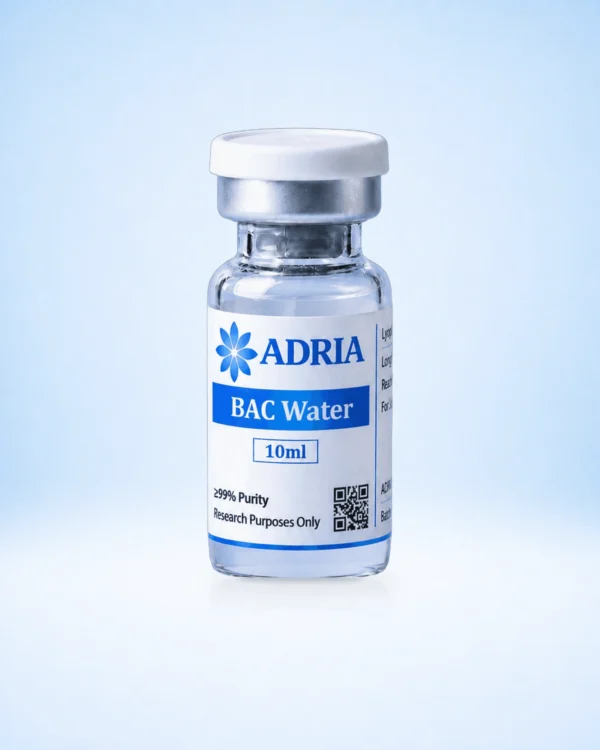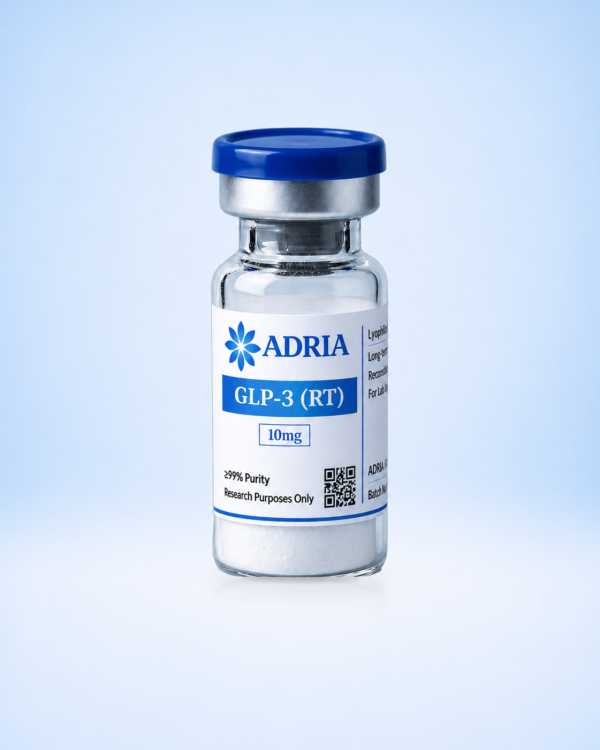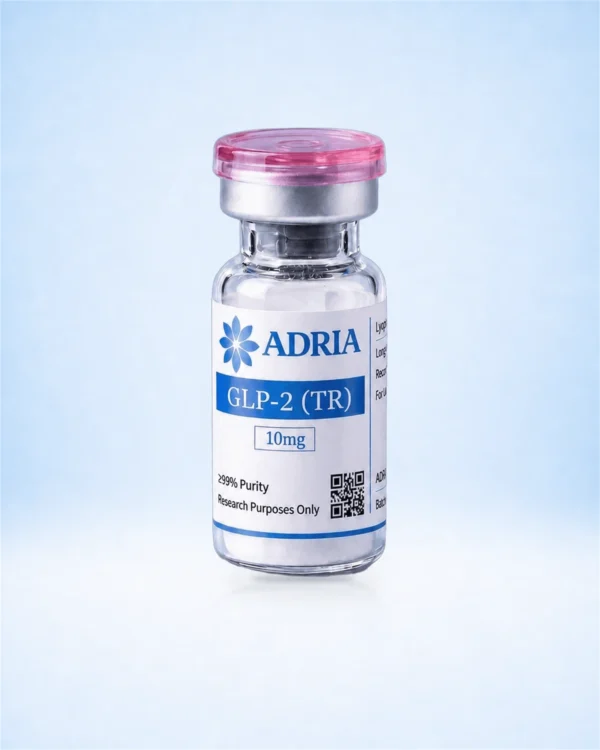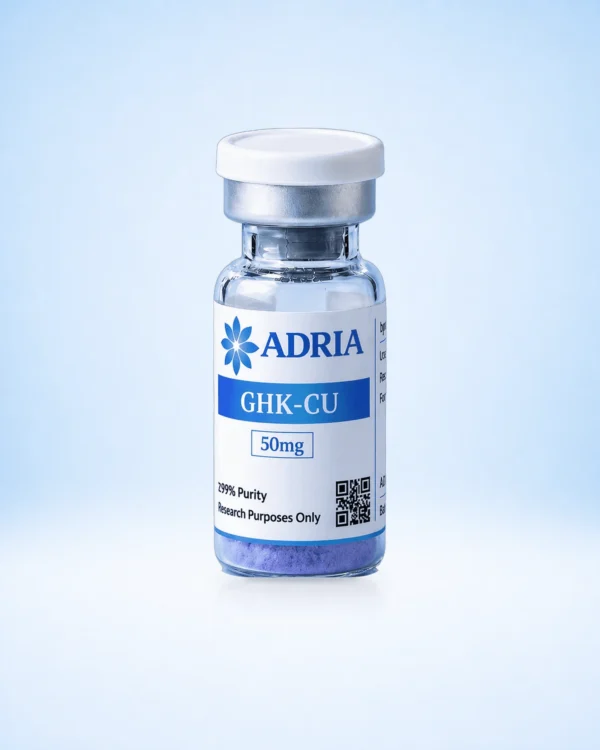
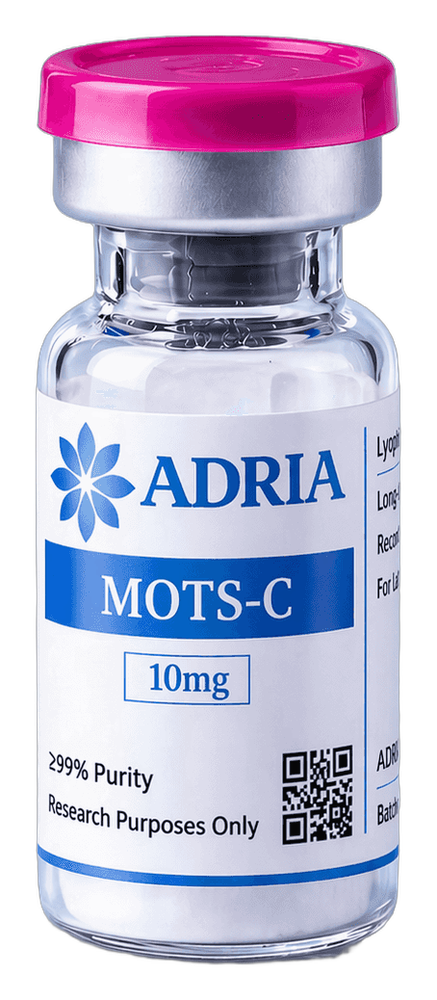
3× MOTS-C
40 mg
148,50 € per vial
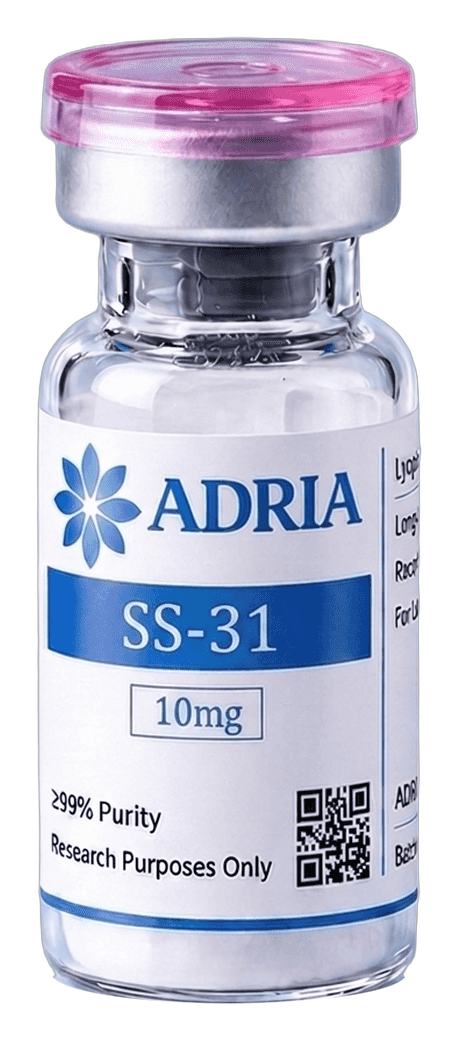
3× SS-31
50 mg
192,50 € per vial
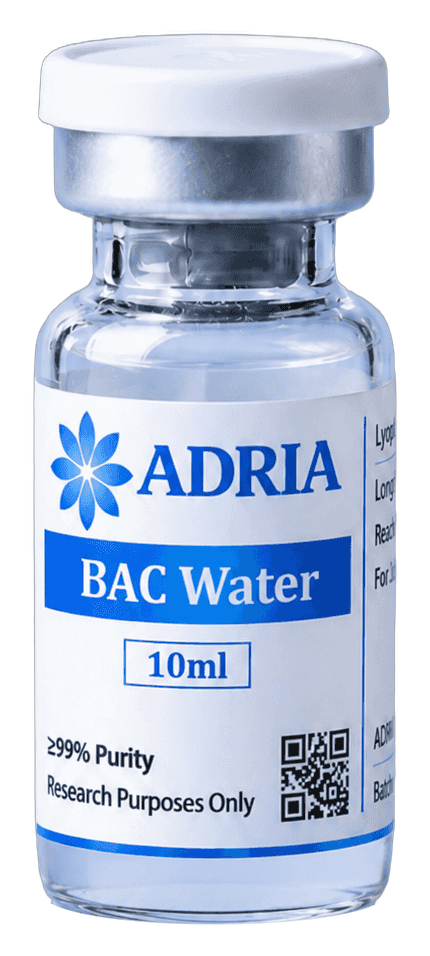
2× Bacteriostatic Water
10 ml
11,32 € per vial
Research bundles
Regeneration Bundle
Low stock
Order within — to ship today
Arrives 26 – 30 November to Europe


 Shown at checkout
Regeneration Bundle
Original price was: 1.045,64 €.668,10 €Current price is: 668,10 €.
Bring MOTS-c and SS-31 into one focused mitochondrial research selection. The pairing connects metabolic-sensing studies with inner-membrane and bioenergetic research, with three vials of each compound and two BAC Water vials listed together in one clear bundle.
Every compound, clearly identified
Specifications
MOTS-C · 40 mg
Molecular profile
- Sequence
- Met-Arg-Trp-Gln-Glu-Met-Gly-Tyr-Ile-Phe-Tyr-Pro-Arg-Lys-Leu-Arg
- Molecular mass
- 2174.60 g/mol
- CAS number
- 1627580-64-6
- Molecular formula
- C101H152N28O22S2
Material record
- Physical appearance
- White to off-white lyophilized powder
- Solubility
- Soluble in bacteriostatic water and suitable aqueous laboratory solvents.
- Product note
- Mitochondrial-derived 16-amino-acid peptide; supplied strictly for research use only.
SS-31 · 50 mg
Molecular profile
- Sequence
- D-Arg-2,6-dimethylTyr-Lys-Phe-NH2
- Molecular mass
- 639.8 g/mol
- CAS number
- 736992-21-5
- Molecular formula
- C32H49N9O5
Material record
- Physical appearance
- White to off-white lyophilized powder
- Solubility
- Soluble in bacteriostatic water and suitable aqueous laboratory solvents.
- Product note
- Mitochondria-targeting tetrapeptide; studied for cardiolipin interaction, oxidative-stress pathway models, and cellular energy biology; supplied strictly for research use only.
Bacteriostatic Water · 10 ml
Molecular profile
- Molecular mass
- Water: 18.015 g/mol; benzyl alcohol: 108.14 g/mol.
- CAS number
- Water: 7732-18-5; benzyl alcohol: 100-51-6.
- Molecular formula
- Water: H2O; benzyl alcohol: C7H8O.
Material record
- Physical appearance
- Clear, colourless aqueous solution.
- Solubility
- Aqueous solution; miscible with water.
- Product note
- Aqueous laboratory solvent formulation containing 0.9% benzyl alcohol preservative with a pH range of 4.5–7.0; supplied strictly for research and laboratory use.
The research behind the combination
Mitochondrial signalling meets membrane research
Regeneration centres on the relationship between metabolic adaptation and mitochondrial function. MOTS-c is a mitochondrial-derived peptide investigated in metabolic-sensing pathways, including AMPK-related work. SS-31 provides a different research focus through its interaction with cardiolipin-rich mitochondrial membranes.
The pairing creates a coherent framework for comparing signalling responses with membrane-associated bioenergetic endpoints. Those areas are connected in mitochondrial biology, while remaining experimentally distinct. This makes the bundle more purposeful than a collection of unrelated products, without implying that the exact combination has established regenerative effects.
The displayed quantities provide a clearly defined research selection. Two BAC Water vials are included, and their normal value is counted in the full reference price, so the saving reflects the complete contents.
- A focused mitochondrial research theme
- Metabolic sensing and membrane-associated endpoints
- Three vials per peptide, two BAC Water vials
Explore the individual components
MOTS-C · 40 mg
Description of MOTS-c
MOTS-c consists of 16 amino acids, and it belongs to the family of the mitochondrial-derived peptides, bioactive hormones, which are important for mitochondrial communication, and energy regulation. It has significant roles in glucose and lipid metabolic regulation, as well as in disease research. Research indicates that this peptide can influence insulin sensitivity, making it of interest in the context of type 2 diabetes research, and has been studied for its potential relevance to age-related decline and diseases, with investigations into longevity and healthspan by mitigating common metabolic dysfunctions associated with aging. Furthermore, it is being explored for its potential in research into obesity, cardiovascular diseases, and cancer. The discovery of MOTS-c highlights the influential role of mitochondrial peptides in cellular and systemic functions, opening new research avenues for metabolic and age-related diseases.
Overview of Published Research
MOTS-c is a novel peptide derived from mitochondrial DNA, which encodes 37 genes, including 22 tRNAs, 2 rRNAs, and 13 mRNAs. Mitochondria, ancient organelles with a semi-autonomous genetic system, still retain several bacterial-like qualities. MOTS-c, along with other mitochondrial-derived peptides (MDPs) like humanin, represents an expanded mitochondrial genetic repertoire with significant biological activities. These MDPs function as mitochondrial hormones, sending active signals at the cellular and organismal level. MOTS-c specifically targets skeletal muscle, influencing glucose metabolism and muscle uptake of glucose by increasing the expression of glucose transporters through AMPK activation. This activation is independent of the insulin pathway, offering an alternative means of influencing glucose uptake when insulin is ineffective or insufficient. Research findings indicate that MOTS-c influences muscle function, muscle protein deposition, and functional insulin resistance. It has implications for research into obesity, diabetes, exercise, and longevity, introducing a novel mitochondrial signaling mechanism for metabolic regulation within and between cells.
In studies involving mice, MOTS-c has demonstrated effects in research into metabolic dysfunction induced by ovariectomy (OVX), a procedure associated with increased adiposity and insulin resistance, common in postmenopausal women. MOTS-c treatment was observed to mitigate OVX-induced obesity and insulin resistance by influencing brown fat activation, reducing fat accumulation, and suppressing inflammatory responses in white adipose tissue. This intervention influenced energy dissipation and insulin sensitivity through AMPK pathway activation, underscoring MOTS-c's potential as a subject of research into menopause-induced metabolic dysfunction.
Moreover, recent research sheds light on MOTS-c's role beyond mitochondrial function, revealing its ability to translocate to the nucleus in response to metabolic stress. Once in the nucleus, MOTS-c regulates the expression of nuclear genes, particularly those involved in glucose restriction and antioxidant responses. This novel mechanism highlights the intricate communication between mitochondrial and nuclear genomes, suggesting a co-evolutionary process where factors encoded in both genomes cross-regulate each other to maintain cellular homeostasis. Additionally, MOTS-c's influence on fat metabolism is mediated through the activation of the AMPK pathway, a key regulator of cellular energy metabolism, offering potential insights into research applications in metabolic disorders and aging-related conditions.
Furthermore, MOTS-c exhibits exercise-mimetic properties and influences insulin sensitivity in aged and diet-induced obese mice. Through an unbiased metabolomics approach, it was found that MOTS-c administration reduced sphingolipid, monoacylglycerol, and dicarboxylate metabolism pathways, which are typically upregulated in obese and type 2 diabetes (T2D) models. This effect of MOTS-c is associated with improved insulin sensitivity, increased beta-oxidation, and prevention of fat accumulation, particularly in the context of obesity. Dysregulation of fat metabolism in mitochondria, possibly due to mitochondrial dysfunction, leads to a lack of fat oxidation, resulting in increased circulating fat levels and insulin resistance.
Research suggests a link between hepatic mitochondrial dysfunction and diet-induced insulin resistance, as mitochondria play a crucial role in ATP production and lipid oxidation. Dysfunctional mitochondria may contribute to ectopic fat accumulation in the liver, leading to insulin resistance and the development of metabolic disorders such as obesity, type 2 diabetes mellitus, and non-alcoholic steatohepatitis. Studies show impaired hepatic mitochondrial function in obesity and insulin resistance models induced by high-fat or high-fructose diets. Understanding the role of mitochondrial dysfunction in fat metabolism and insulin resistance sheds light on the mechanisms underlying metabolic disorders and offers potential research targets. MOTS-c's observed capacity to influence fat metabolism and insulin sensitivity highlights its significance in the context of metabolic dysfunction research and offers novel insights into further investigation of obesity and diabetes.
Plasma MOTS-c levels are associated with insulin sensitivity, particularly in lean individuals, but not in obese individuals. Although MOTS-c concentration remains similar between lean and obese individuals, it correlates positively with insulin resistance surrogates, such as the HOMA index and Matsuda index, only in lean subjects. This suggests that plasma MOTS-c concentration depends on metabolic status, with its association with insulin sensitivity altered in the presence of obesity. These findings highlight the potential of plasma MOTS-c as a biomarker for monitoring insulin sensitivity, particularly in pre-diabetic lean individuals, where changes in MOTS-c levels could serve as an early indicator of insulin resistance. Research into MOTS-c may offer insights into preventive strategies against insulin resistance and the development of diabetes. However, further research is needed to fully understand the role of MOTS-c in insulin regulation and its impact on metabolic homeostasis in humans.
MOTS-c has been studied in the context of osteoporosis, with findings suggesting it may influence the synthesis of type I collagen in osteoblasts through the TGF-β/SMAD signaling pathway. In experiments with hFOB1.19 cells, MOTS-c treatment increased cell viability in a time-dependent manner and upregulated mRNA and protein expressions of TGF-β, SMAD7, COL1A1, and COL1A2. The concentration of MOTS-c influenced the expressions of these genes, and knockdown of TGF-β or SMAD7 partially reversed the increase in collagen expression, indicating the involvement of the TGF-β/SMAD pathway. Thus, MOTS-c appears to promote osteoblasts to synthesize type I collagen via this pathway.
Furthermore, MOTS-c is implicated in influencing osteogenesis by stimulating the differentiation of bone marrow stem cells through the TGF-β/SMAD pathway. This is associated with increased formation of new bone, highlighting MOTS-c's role in both influencing osteoblasts and their development from stem cells. These findings suggest that MOTS-c may play a role in bone health and integrity, making it a potential subject of research in the context of osteoporosis.
MOTS-c peptide has emerged as a potential factor of research interest in exceptional longevity, particularly in certain human populations such as the Japanese. Research suggests that a specific change in the MOTS-c gene, found exclusively in individuals with Northeast Asian ancestry, may be associated with this longevity. This change involves the substitution of a glutamate residue for the lysine normally found in position 14 of the protein, though the functional implications of this alteration are not yet fully understood. However, it is believed to affect both the structure and function of MOTS-c, potentially influencing its role in longevity research.
Dr. Changhan David Lee, a researcher at USC Leonard Davis School of Gerontology, highlights the importance of mitochondrial biology in research into extending lifespan and healthspan in humans. Mitochondria, as the primary metabolic organelle, are strongly implicated in aging and age-related diseases. While dietary restriction has been the main method for impacting mitochondrial function and longevity, peptides like MOTS-c offer a promising avenue for directly investigating mitochondrial function. This suggests that MOTS-c and similar peptides could have significant implications for research into extending lifespan and improving health in humans by targeting mitochondrial function.
The study investigated the association between circulating MOTS-c levels and endothelial dysfunction (ED) in patients without significant structural coronary lesions. Forty patients undergoing coronary angiography and endothelial function testing were included, divided into normal endothelial function and ED groups based on coronary blood flow response to acetylcholine. Aortic plasma samples revealed lower MOTS-c levels in patients with ED compared to those with normal endothelial function. Plasma MOTS-c levels correlated positively with microvascular and epicardial coronary endothelial function. While MOTS-c did not directly impact blood vessel responsiveness, pretreatment with MOTS-c influenced vessel responsiveness to acetylcholine in rodent models. These findings suggest that lower circulating MOTS-c levels are associated with impaired coronary endothelial function, indicating MOTS-c as a potential research subject in the context of ED.
Mitochondria-derived peptides (MDPs) like MOTS-c play crucial roles in regulating cellular metabolism and maintaining mitochondrial function and cell viability. Recent research highlights the relevance of MDPs to cardiovascular disease (CVD) research, with MOTS-c showing promise as a research subject. Studies demonstrate that lower MOTS-c levels correlate with higher endothelial cell dysfunction, a key factor in CVD development. Additionally, MOTS-c influences endothelial cell responses to signaling molecules like acetylcholine, affecting endothelial function. MDP dysregulation is implicated in various aspects of CVD, suggesting their potential as biomarkers or research targets.
For laboratory purposes and personal observation only. Not for human consumption.
SS-31 · 50 mg
Description of SS-31
SS-31, also known as the Szeto-Schiller (SS) peptide, is an innovative synthetic tetrapeptide developed around the year 2000 by scientists Hazel H. Szeto and Peter W. Schiller. Initially designed as a ligand for the μ-opioid receptor, it unexpectedly demonstrated a remarkable ability to selectively accumulate in mitochondria, where it interacts with the phospholipid cardiolipin in the inner mitochondrial membrane. This interaction stabilizes mitochondrial structure, influences efficient ATP production, and concurrently reduces the formation of reactive oxygen species (ROS), which are key contributors to cellular damage and aging. Due to its small molecular size and lipophilic properties, SS-31 readily crosses cellular and organelle membranes, allowing it to efficiently target mitochondria across diverse tissue types.
Mitochondrial dysfunction, often linked to the degradation or destabilization of cardiolipin, underlies a wide range of chronic and degenerative diseases, including neurodegenerative disorders (e.g., Alzheimer's and Parkinson's diseases), metabolic syndromes, cancer, cardiomyopathies, and mitochondrial myopathies. SS-31 is currently undergoing clinical trials as a research compound in the context of heart failure, primary mitochondrial myopathy, and other mitochondrial disorders. Recent research using chemical cross-linking and mass spectrometry has revealed that SS-31 interacts with multiple key mitochondrial proteins involved in oxidative phosphorylation and 2-oxoglutarate metabolism, further supporting its potential as a targeted mitochondrial research compound.
Overview of Published Research
Primary mitochondrial diseases (PMDs) are a group of genetically determined disorders caused by dysfunction of the mitochondrial apparatus, which is responsible for the production of cellular energy in the form of ATP. These conditions primarily affect organ systems with high energy demands, such as skeletal muscle, the heart, nervous system, and kidneys. SS-31 (Elamipretide) is a mitochondria-targeted synthetic tetrapeptide that interacts with cardiolipin in the inner mitochondrial membrane, thereby stabilizing mitochondrial structure, reducing oxidative stress, and influencing ATP synthesis function. Initial preclinical evidence of SS-31's activity emerged from animal studies involving ischemia-reperfusion injury, where treatment was associated with accelerated ATP recovery, reduced necrosis and apoptosis, and changes in tissue function.
Important insights have also come from experiments investigating the effects of SS-31 on aging skeletal muscle. In older mice, a single dose of SS-31 led to changes in mitochondrial bioenergetics, reflected by increased ATP production, improved phosphorylation efficiency (P/O ratio), and enhanced cellular energy status. These effects were not observed in younger animals, suggesting a specific action of the tetrapeptide on age-related mitochondrial deficits. Moreover, SS-31 reduced redox stress, mitochondrial H₂O₂ emission, and influenced muscle fatigue resistance, resulting in increased physical endurance after 8 days of administration. These findings support its research potential in the context of sarcopenia and other forms of age-related mitochondrial dysfunction.
SS-31 has also demonstrated activity in research into kidney injury resulting from ischemia-reperfusion (I/R) stress, where rapid reactivation of mitochondrial function during the early phase of reperfusion is critical for the survival of tubular cells. The peptide inhibits the opening of the mitochondrial permeability transition (MPT) pore, thereby preventing mitochondrial depolarization, reducing ROS production, and attenuating inflammation. These multifactorial effects highlight its research potential not only for genetically driven mitochondrial diseases but also for acute and age-related mitochondrial dysfunctions.
Ischemia induces acute kidney injury (AKI) primarily due to ATP depletion, and rapid ATP recovery upon reperfusion is essential to minimize tissue damage. This recovery process is often impaired by the destruction of mitochondrial cristae, which are essential for efficient ATP synthesis. SS-31 binds with high affinity to cardiolipin in the inner mitochondrial membrane, stabilizing cristae structure and preventing cardiolipin peroxidation through inhibition of cytochrome c peroxidase activity. The resulting effects include mitochondrial protection during ischemia, accelerated ATP restoration following reperfusion, recovery of the actin cytoskeleton and cell polarity, inhibition of apoptosis, and an overall reduction in renal dysfunction. These mechanisms affirm SS-31's potential as a promising research candidate in the context of ischemia-reperfusion injury, which is currently being evaluated in clinical trials.
Although phase III clinical trials with the peptide SS-31 did not yield conclusive results, earlier phase II studies demonstrated encouraging signs of changes in physical performance in subjects with primary mitochondrial myopathy (PMM) after only five days of administration, without serious adverse effects. The peptide acts specifically on cardiolipin—an essential phospholipid of the mitochondrial membrane—stabilizing it and protecting it from oxidative damage, thereby potentially influencing mitochondrial function.
While the phase III study failed to meet its predefined primary endpoints (e.g., improvement in 6-minute walk distance and fatigue), the compound's safety profile remains favorable. Researchers and experts, such as Dr. Bruce Cohen, have suggested that the selected endpoints may not have been appropriate and that further investigations may reveal the research potential of elamipretide not only for PMM but also for other mitochondrial diseases, including Barth syndrome and age-related macular degeneration.
Currently, SS-31 is considered one of the few promising research candidates in the context of mitochondrial disorders. Ongoing research is being conducted through additional clinical trials involving new indications, extended durations, and alternative activity endpoints. In parallel, derivatives of SS-31 and other mitochondria-targeted molecules are also being investigated, fostering interest in whether significant advances in the research into mitochondrial dysfunctions may be achieved in the near future.
Mitochondrial dysfunction represents a key pathological component in heart failure and ischemia-reperfusion injury of the myocardium. The peptide SS-31 has emerged as a promising research compound capable of selectively targeting mitochondrial function, primarily through its interaction with cardiolipin. Studies on human cardiac tissue have demonstrated that SS-31 can influence mitochondrial oxygen flux and respiratory complex activity without requiring cardiolipin remodeling, suggesting the involvement of multiple mechanisms of action. These findings support the broader investigation of SS-31 in the context of mitochondrial dysfunction associated with cardiovascular diseases.
Animal model experiments, specifically in dogs with advanced heart failure, have confirmed the observed effects of chronic SS-31 administration on left ventricular function and mitochondrial ATP production. This correlation suggests that SS-31 may contribute to research into myocardial energy balance and cardiac tissue remodeling. Moreover, the peptide has also shown activity in acute settings, demonstrating the ability to reduce levels of HtrA2—a protease released from mitochondria during apoptosis, which is characteristic of ischemia-reperfusion injury.
Clinical and preclinical evidence indicates that SS-31 holds potential as a research compound in the context of both acute and chronic mitochondrial injury in cardiovascular diseases. In cases of ST-elevation myocardial infarction (STEMI), it has been shown to influence mitochondrial apoptosis, thereby affecting cardiomyocyte viability. These findings support the growing research interest in mitochondria as a target, with SS-31 emerging as one of the most promising candidates for further investigation in the context of myocardial ischemia.
Mitochondrial damage has emerged as a key factor in the pathogenesis of type 2 diabetes, with oxidative stress playing a central role in the development of complications such as microvascular disease. SS-31, a mitochondria-targeted peptide, has demonstrated activity in reducing the production of reactive oxygen species (ROS) associated with mitochondrial dysfunction in diabetes. Studies in both human and animal models have shown that SS-31 administration reduces oxidative damage, influences mitochondrial membrane potential, and increases levels of SIRT1, which are associated with insulin sensitivity. These effects suggest that SS-31 may be of research interest in the context of diabetic complications, including microvascular disease.
Further research indicates that SS-31 exerts effects relevant to oxidative stress and inflammation in subjects with type 2 diabetes mellitus, with potential relevance to cardiovascular risk—a common complication of this condition. Administration of SS-31 was found to reduce levels of pro-inflammatory markers such as NFκB-p65 and TNFα, while also influencing interactions between leukocytes and endothelial cells. These findings support the hypothesis that SS-31 may be of interest in research into mitochondrial function and inflammatory processes frequently associated with long-term diabetic complications, particularly in the context of cardiovascular health.
SS-31 has emerged as a subject of research interest in the context of chronic inflammation, primarily through its impact on mitochondrial oxidative stress. This tetrapeptide demonstrates the ability to scavenge reactive oxygen species (ROS), thereby influencing the initiation of intracellular inflammatory cascades. Studies conducted on cell cultures and animal models have confirmed that SS-31 influences inflammatory pathways by downregulating the expression of proteins such as CD36, FIS1, and NF-κB p65, which are known to act as key triggers of inflammation. For instance, the suppression of FIS1—a regulator of mitochondrial fission—helps maintain mitochondrial integrity and influences activation of the inflammasome, a process frequently responsible for eliciting inflammatory responses. Additionally, SS-31 stabilizes mitochondrial morphology, exerting a protective effect particularly in neuroinflammatory conditions such as Alzheimer's disease or CNS injury during sepsis.
Another important property of SS-31 is its ability to suppress the activity of ROS-producing enzymes such as NADPH oxidase, while simultaneously influencing the expression of antioxidant defense mechanisms, including MnSOD and catalase. These effects result in reduced levels of pro-inflammatory cytokines such as TNF-α and suppression of the transcription factor NF-κB, which plays a central role in chronic inflammation. Furthermore, administration of SS-31 has been associated with decreased tissue damage and improved histological parameters, for example in the kidneys of diabetic mice, indicating its potential research interest in the context of inflammatory complications in chronic diseases. These findings support the investigation of SS-31 as a research compound with broad-spectrum anti-inflammatory effects, grounded in mitochondrial protection and restoration of cellular homeostasis.
Bacteriostatic Water · 10 ml
Bacteriostatic Water (BW) is a sterile, pyrogen-free solution used as a solvent for the reconstitution of lyophilized research peptides and laboratory compounds.
It contains 0.9% benzyl alcohol, which acts as a bacteriostatic preservative that inhibits bacterial growth, allowing the solution to remain stable under sterile conditions for multiple withdrawals.
Key Features
- Sterile & Pyrogen-Free: Safe for laboratory use in peptide reconstitution.
- With Benzyl Alcohol: Inhibits bacterial growth for extended usability after opening.
- Compatibility: Suitable for all common lyophilized peptides and lab compounds.
Laboratory care
Handling
Peptides in transport
Peptides in lyophilized form are supplied in glass vials by standard shipping methods and do not require refrigeration. Short-term temperature fluctuations during transport will not reduce their quality and efficacy. Even at high summer temperatures, the peptides in lyophilized form are stable for several weeks.
Storage of lyophilized peptides
Lyophilized peptides should be stored in a dry place, protected from light and moisture. The following storage conditions are generally recommended:
- Room temperature (15–25 °C): Up to 3 months
- Refrigerated (2–8 °C): Up to 6 months
- Frozen (-20 °C or below): 3–5 years (recommended for long-term storage)
Allow the vial to reach room temperature after taking it out of the refrigerator or freezer.
Storage of reconstituted peptides
Once reconstituted, peptide solutions are generally less stable than their lyophilized form and should be stored under refrigerated conditions whenever possible.
The following storage conditions are generally recommended:
- Room temperature (15–25 °C): Avoid prolonged storage
- Refrigerated (2–8 °C): Typically 4–8 weeks
- Frozen (-20 °C or below): Up to 3–4 months
To preserve peptide integrity, avoid repeated freeze–thaw cycles, as these may accelerate peptide degradation.
Important: Most manufacturers recommend discarding reconstituted peptides within 4 weeks when stored at 2–8 °C. This recommendation is intentionally conservative and may not reflect the actual chemical stability of every peptide. In our own stability studies, many peptides reconstituted in bacteriostatic water showed no detectable degradation after 12 weeks of refrigerated storage. As peptide stability is highly sequence- and formulation-dependent, this result should not be extrapolated to all peptides without supporting stability data.
Bacteriostatic Water
Product is designed as diluent for reconstitution of lyophilised peptides. The product is intended for scientific research and development purposes only. Chemical substances shall not be used as a drug, medicine, active substance, medical aid, cosmetic product, a substance for production of a cosmetic product neither for human consumption that is any food or food supplement or otherwise similarly used on humans or animals. Use for research and scientific purposes only. Do not use for diagnostic or therapeutic purposes or as medical device.
Storage
Should be stored at room temperature and protected from direct light, excessive heat and freezing.
Reports for the included vial strengths
Tests
MOTS-C · 40 mg
Latest published result
Liquilabs s.r.o.Signed Certificate of Analysis · 40mg
99.7%Purity by HPLC
Recorded QC panel
- AssayPeptide screening
- 40.5 mg
- PurityPeptide screening
- 99.7%
- Identity (FTIR)FTIR spectrum
- 1000
- Identity (RT)Retention time
- 0.986
These are the latest published results for this strength. The batch number is printed on each vial. Your supplied batch is confirmed against the matching published record when your order is allocated.
SS-31 · 50 mg
Documentation is available on request
Contact us for the current record for this strength. We never substitute a generic or mismatched certificate.
Your batch is confirmed when your order is allocated.Bacteriostatic Water · 10 ml
Documentation is available on request
Contact us for the current record for this strength. We never substitute a generic or mismatched certificate.
Your batch is confirmed when your order is allocated.Research sources
References
- Lee et al., 2015 · mitochondrial peptide and metabolic sensing
- Birk et al., 2014 · cardiolipin and mitochondrial bioenergetics
Research references concern individual compounds and experimental models. They do not establish combined efficacy of these packaged selections.
MOTS-C · 40 mg
Y. Zheng et al., "MOTS-c: A promising mitochondrial-derived peptide for therapeutic exploitation", 2023.
C. Lee, K. H. Kim, and P. Cohen, "MOTS-c: A novel mitochondrial-derived peptide regulating muscle and fat metabolism," Free Radic. Biol. Med., vol. 100, pp. 182–187, Nov. 2016. [PMC]
H. Lu et al., "MOTS-c peptide regulates adipose homeostasis to prevent ovariectomy-induced metabolic dysfunction," J. Mol. Med. Berl. Ger., vol. 97, no. 4, pp. 473–485, Apr. 2019. [PubMed]
K. H. Kim, J. M. Son, B. A. Benayoun, and C. Lee, "The Mitochondrial-Encoded Peptide MOTS-c Translocates to the Nucleus to Regulate Nuclear Gene Expression in Response to Metabolic Stress," Cell Metab., vol. 28, no. 3, pp. 516-524.e7, Sep. 2018. [PMC]
S.-J. Kim et al., "The mitochondrial-derived peptide MOTS-c is a regulator of plasma metabolites and enhances insulin sensitivity," Physiol. Rep., vol. 7, no. 13, p. e14171, Jul. 2019. [PubMed]
R. Crescenzo, F. Bianco, A. Mazzoli, A. Giacco, G. Liverini, and S. Iossa, "A possible link between hepatic mitochondrial dysfunction and diet-induced insulin resistance," Eur. J. Nutr., vol. 55, no. 1, pp. 1–6, Feb. 2016. [BMJ]
L. R. Cataldo, R. Fernández-Verdejo, J. L. Santos, and J. E. Galgani, "Plasma MOTS-c levels are associated with insulin sensitivity in lean but not in obese individuals," J. Investig. Med., vol. 66, no. 6, pp. 1019–1022, Aug. 2018. [PubMed]
N. Che et al., "MOTS-c improves osteoporosis by promoting the synthesis of type I collagen in osteoblasts via TGF-β/SMAD signaling pathway," Eur. Rev. Med. Pharmacol. Sci., vol. 23, no. 8, pp. 3183–3189, Apr. 2019. [PubMed]
B.-T. Hu and W.-Z. Chen, "MOTS-c improves osteoporosis by promoting osteogenic differentiation of bone marrow mesenchymal stem cells via TGF-β/Smad pathway," Eur. Rev. Med. Pharmacol. Sci., vol. 22, no. 21, pp. 7156–7163, Nov. 2018. [PubMed]
N. Fuku et al., "The mitochondrial-derived peptide MOTS-c: A player in exceptional longevity?," Aging Cell, vol. 14, Aug. 2015. [Research Gate]
Q. Qin et al., "Downregulation of circulating MOTS-c levels in patients with coronary endothelial dysfunction," Int. J. Cardiol., vol. 254, pp. 23–27, 01 2018. [PubMed]
Y. Yang et al., "The role of mitochondria-derived peptides in cardiovascular disease: Recent updates," Biomed. Pharmacother. Biomedecine Pharmacother., vol. 117, p. 109075, Jun. 2019. [PubMed]
National Center for Biotechnology Information
PubChem Compound Summary: MOTS-c
Authoritative identity record for the mitochondrial-derived peptide MOTS-c.
PubChem View source ↗Lee C, Zeng J, Drew BG, et al. · 2015
The mitochondrial-derived peptide MOTS-c promotes metabolic homeostasis and reduces obesity and insulin resistance
Primary report identifying MOTS-c as a mitochondrial-derived peptide.
Cell Metabolism · 10.1016/j.cmet.2015.02.009 View source ↗Chemical Abstracts Service
CAS Common Chemistry: 1627580-64-6
Authoritative CAS Registry Number record for MOTS-c.
CAS Common Chemistry View source ↗National Center for Biotechnology Information
NCBI Gene: MT-RNR1 mitochondrial 12S rRNA
Authoritative gene record for the mitochondrial transcript that encodes MOTS-c.
NCBI Gene View source ↗Fuku N, Pareja-Galeano H, Zempo H, Alis R, Arai Y, Lucia A, Hirose N · 2015
The mitochondrial-derived peptide MOTS-c: a player in exceptional longevity?
Aging cell View source ↗Kim SJ, Miller B, Mehta HH, Xiao J, Wan J, Arpawong TE, Yen K, Cohen P · 2019
The mitochondrial-derived peptide MOTS-c is a regulator of plasma metabolites and enhances insulin sensitivity
Physiological reports View source ↗Y. Zheng et al. · 2023
MOTS-c: A promising mitochondrial-derived peptide for therapeutic exploitation
2023C. Lee, K. H. Kim, and P. Cohen · 2016
MOTS-c: A novel mitochondrial-derived peptide regulating muscle and fat metabolism
Free Radic. Biol. MedH. Lu et al. · 2019
MOTS-c peptide regulates adipose homeostasis to prevent ovariectomy-induced metabolic dysfunction
J. Mol. Med. Berl. GerK. H. Kim, J. M. Son, B. A. Benayoun, and C. Lee · 2018
The Mitochondrial-Encoded Peptide MOTS-c Translocates to the Nucleus to Regulate Nuclear Gene Expression in Response to Metabolic Stress
Cell MetabR. Crescenzo, F. Bianco, A. Mazzoli, A. Giacco, G. Liverini, and S. Iossa · 2016
A possible link between hepatic mitochondrial dysfunction and diet-induced insulin resistance
Eur. J. NutrL. R. Cataldo, R. Fernández-Verdejo, J. L. Santos, and J. E. Galgani · 2018
Plasma MOTS-c levels are associated with insulin sensitivity in lean but not in obese individuals
J. Investig. MedN. Che et al. · 2019
MOTS-c improves osteoporosis by promoting the synthesis of type I collagen in osteoblasts via TGF-β/SMAD signaling pathway
Eur. Rev. Med. Pharmacol. SciB.-T. Hu and W.-Z. Chen · 2018
MOTS-c improves osteoporosis by promoting osteogenic differentiation of bone marrow mesenchymal stem cells via TGF-β/Smad pathway
Eur. Rev. Med. Pharmacol. SciQ. Qin et al. · 2018
Downregulation of circulating MOTS-c levels in patients with coronary endothelial dysfunction
Int. J. CardiolY. Yang et al. · 2019
The role of mitochondria-derived peptides in cardiovascular disease: Recent updates
Biomed. Pharmacother. Biomedecine PharmacotherSS-31 · 50 mg
Juan D. Chavez, Xiaoting Tang, Matthew D. Campbell, James E. Bruce, „Mitochondrial protein interaction landscape of SS-31", 2020.
H. H. Szeto et al., "Mitochondria-Targeted Peptide Accelerates ATP Recovery and Reduces Ischemic Kidney Injury," J. Am. Soc. Nephrol. JASN, vol. 22, no. 6, pp. 1041–1052, Jun. 2011, doi: 10.1681/ASN.2010080808.
M. P. Siegel et al., "Mitochondrial targeted peptide rapidly improves mitochondrial energetics and skeletal muscle performance in aged mice," Aging Cell, vol. 12, no. 5, pp. 763–771, Oct. 2013, doi: 10.1111/acel.12102.
A. V. Birk et al., "The Mitochondrial-Targeted Compound SS-31 Re-Energizes Ischemic Mitochondria by Interacting with Cardiolipin," J. Am. Soc. Nephrol. JASN, vol. 24, no. 8, pp. 1250–1261, Jul. 2013, doi: 10.1681/ASN.2012121216.
K. C. Chatfield et al., "Elamipretide Improves Mitochondrial Function in the Failing Human Heart," JACC Basic Transl. Sci., vol. 4, no. 2, pp. 147–157, Apr. 2019, doi: 10.1016/j.jacbts.2018.12.005.
A. Karaa, R. Haas, A. Goldstein, J. Vockley, W. D. Weaver, and B. H. Cohen, "Randomized dose-escalation trial of elamipretide in adults with primary mitochondrial myopathy," Neurology, vol. 90, no. 14, pp. e1212–e1221, Apr. 2018, doi: 10.1212/WNL.0000000000005255.
A. M. PhD, "Elamipretide Failed to Meet Promise of Earlier Trial Results for...," Mitochondrial Disease News, Jan. 10, 2020. https://mitochondrialdiseasenews.com/2020/01/10/elamipretide-failed-to-meet-promise-of-earlier-trial-results-for-primary-mitochondrial-myopathy-data-show/ (accessed Apr. 06, 2020).
"Could Elamipretide Become the First Treatment Option for Primary Mitochondrial Myopathy?," Neurology Live. https://www.neurologylive.com/clinical-focus/could-elamipretide-treatment-option-primary-mitochondrial-myopathy (accessed Apr. 06, 2020).
H. N. Sabbah, R. C. Gupta, S. Kohli, M. Wang, S. Hachem, and K. Zhang, "Chronic Therapy With Elamipretide (MTP-131), a Novel Mitochondria-Targeting Peptide, Improves Left Ventricular and Mitochondrial Function in Dogs With Advanced Heart Failure," Circ. Heart Fail., vol. 9, no. 2, p. e002206, Feb. 2016, doi: 10.1161/CIRCHEARTFAILURE.115.002206.
M. Hortmann et al., "The mitochondria-targeting peptide elamipretide diminishes circulating HtrA2 in ST-segment elevation myocardial infarction," Eur. Heart J. Acute Cardiovasc. Care, vol. 8, no. 8, pp. 695–702, Dec. 2019, doi: 10.1177/2048872617710789.
I. Escribano-Lopez et al., "The mitochondrial antioxidant SS-31 increases SIRT1 levels and ameliorates inflammation, oxidative stress and leukocyte-endothelium interactions in type 2 diabetes," Sci. Rep., vol. 8, no. 1, pp. 1–10, Oct. 2018, doi: 10.1038/s41598-018-34251-8.
Y. Mo et al., "SS-31 reduces inflammation and oxidative stress through the inhibition of Fis1 expression in lipopolysaccharide-stimulated microglia," Biochem. Biophys. Res. Commun., vol. 520, no. 1, pp. 171–178, Nov. 2019, doi: 10.1016/j.bbrc.2019.09.077.
Y. Hou et al., "The antioxidant peptide SS31 prevents oxidative stress, downregulates CD36 and improves renal function in diabetic nephropathy," Nephrol. Dial. Transplant. Off. Publ. Eur. Dial. Transpl. Assoc. - Eur. Ren. Assoc., vol. 33, no. 11, pp. 1908–1918, 01 2018, doi: 10.1093/ndt/gfy021.
Y. Hou et al., "Mitochondria-targeted peptide SS-31 attenuates renal injury via an antioxidant effect in diabetic nephropathy," Am. J. Physiol.-Ren. Physiol., vol. 310, no. 6, pp. F547–F559, Dec. 2015, doi: 10.1152/ajprenal.00574.2014.
National Center for Biotechnology Information
PubChem Compound Summary: Elamipretide
Authoritative identity record for SS-31, also described as elamipretide.
PubChem View source ↗Zhao W, Xu Z, Cao J, et al. · 2019
Elamipretide (SS-31) improves mitochondrial dysfunction, synaptic and memory impairment induced by lipopolysaccharide in mice
Primary experimental report using elamipretide/SS-31.
Journal of Neuroinflammation · 10.1186/s12974-019-1627-9 View source ↗Karaa A, Bertini E, Carelli V, et al. · 2023
Efficacy and Safety of Elamipretide in Individuals With Primary Mitochondrial Myopathy: The MMPOWER-3 Randomized Clinical Trial
Primary clinical research report for elamipretide.
Neurology · 10.1212/wnl.0000000000207402 View source ↗Juan D. Chavez, Xiaoting Tang, Matthew D. Campbell, James E. Bruce · 2020
Mitochondrial protein interaction landscape of SS-31
2020H. H. Szeto et al. · 2011
Mitochondria-Targeted Peptide Accelerates ATP Recovery and Reduces Ischemic Kidney Injury
J. Am. Soc. Nephrol. JASN · 10.1681/asn.2010080808 View source ↗M. P. Siegel et al. · 2013
Mitochondrial targeted peptide rapidly improves mitochondrial energetics and skeletal muscle performance in aged mice
Aging Cell · 10.1111/acel.12102 View source ↗A. V. Birk et al. · 2013
The Mitochondrial-Targeted Compound SS-31 Re-Energizes Ischemic Mitochondria by Interacting with Cardiolipin
J. Am. Soc. Nephrol. JASN · 10.1681/asn.2012121216 View source ↗K. C. Chatfield et al. · 2019
Elamipretide Improves Mitochondrial Function in the Failing Human Heart
JACC Basic Transl. Sci · 10.1016/j.jacbts.2018.12.005 View source ↗A. Karaa, R. Haas, A. Goldstein, J. Vockley, W. D. Weaver, and B. H. Cohen · 2018
Randomized dose-escalation trial of elamipretide in adults with primary mitochondrial myopathy
Neurology · 10.1212/wnl.0000000000005255 View source ↗A. M. PhD · 2020
Elamipretide Failed to Meet Promise of Earlier Trial Results for
Mitochondrial Disease News, Jan. 10· 2020
Could Elamipretide Become the First Treatment Option for Primary Mitochondrial Myopathy?
Neurology LiveH. N. Sabbah, R. C. Gupta, S. Kohli, M. Wang, S. Hachem, and K. Zhang · 2016
Chronic Therapy With Elamipretide (MTP-131), a Novel Mitochondria-Targeting Peptide, Improves Left Ventricular and Mitochondrial Function in Dogs With Advanced Heart Failure
Circ. Heart Fail · 10.1161/circheartfailure.115.002206 View source ↗M. Hortmann et al. · 2019
The mitochondria-targeting peptide elamipretide diminishes circulating HtrA2 in ST-segment elevation myocardial infarction
Eur. Heart J. Acute Cardiovasc. Care · 10.1177/2048872617710789 View source ↗I. Escribano-Lopez et al. · 2018
The mitochondrial antioxidant SS-31 increases SIRT1 levels and ameliorates inflammation, oxidative stress and leukocyte-endothelium interactions in type 2 diabetes
Sci. Rep · 10.1038/s41598-018-34251-8 View source ↗Y. Mo et al. · 2019
SS-31 reduces inflammation and oxidative stress through the inhibition of Fis1 expression in lipopolysaccharide-stimulated microglia
Biochem. Biophys. Res. Commun · 10.1016/j.bbrc.2019.09.077 View source ↗Y. Hou et al. · 1908
The antioxidant peptide SS31 prevents oxidative stress, downregulates CD36 and improves renal function in diabetic nephropathy
Nephrol. Dial. Transplant. Off. Publ. Eur. Dial. Transpl. Assoc. - Eur. Ren. Assoc · 10.1093/ndt/gfy021 View source ↗Y. Hou et al. · 2015
Mitochondria-targeted peptide SS-31 attenuates renal injury via an antioxidant effect in diabetic nephropathy
Am. J. Physiol.-Ren. Physiol · 10.1152/ajprenal.00574.2014 View source ↗Bacteriostatic Water · 10 ml
National Center for Biotechnology Information
PubChem Compound Summary: Benzyl alcohol
Authoritative identity record for the preservative component of Bacteriostatic Water.
PubChem View source ↗Chemical Abstracts Service
CAS Common Chemistry: 7732-18-5
Authoritative CAS Registry Number record for water.
CAS Common Chemistry View source ↗Chemical Abstracts Service
CAS Common Chemistry: 100-51-6
Authoritative CAS Registry Number record for benzyl alcohol.
CAS Common Chemistry View source ↗Customer reviews

Quality products,fast shipping,great refferal plan,only downside is that products in 4 mounths since my first order got more and more expensive ,but overall verry good experience.
Read full review →More than 2 weeks for package dispatch. They promised one free peptide next time. Sent me new tracking number but package still wasn't delivered to fedex. Last package (much much cheaper) was delivered in less than week. I will update if they will send my package. ok,package sent.
Read full review →Extremely satisfied with the product quality and overall experience. The customer service is polite and quick. All recommendations!
Read full review →Great service!
Read full review →Always on time and customer care is super great
Read full review →Fast good, and quality is perfect
Read full review →ordered 3 times now and everything ok every time.
Read full review →Trustworthy site with a huge catalog of products. Been purchasing from them for some time now never got disappointed. I could only recommend them.
Read full review →Great quality product
Read full review →Everything was great, super customer support, honest, reliable
Read full review →Everything ok. With little problem with package, but after contact with Customer Service everything went right. Good quality of products
Read full review →Excellent. Buying peptides online can be nerve wracking! But Adria are very transparent about all the checks and certifications. My experience with them was excellent. Great products at good prices and efficient P&P
Read full review →Continue exploring