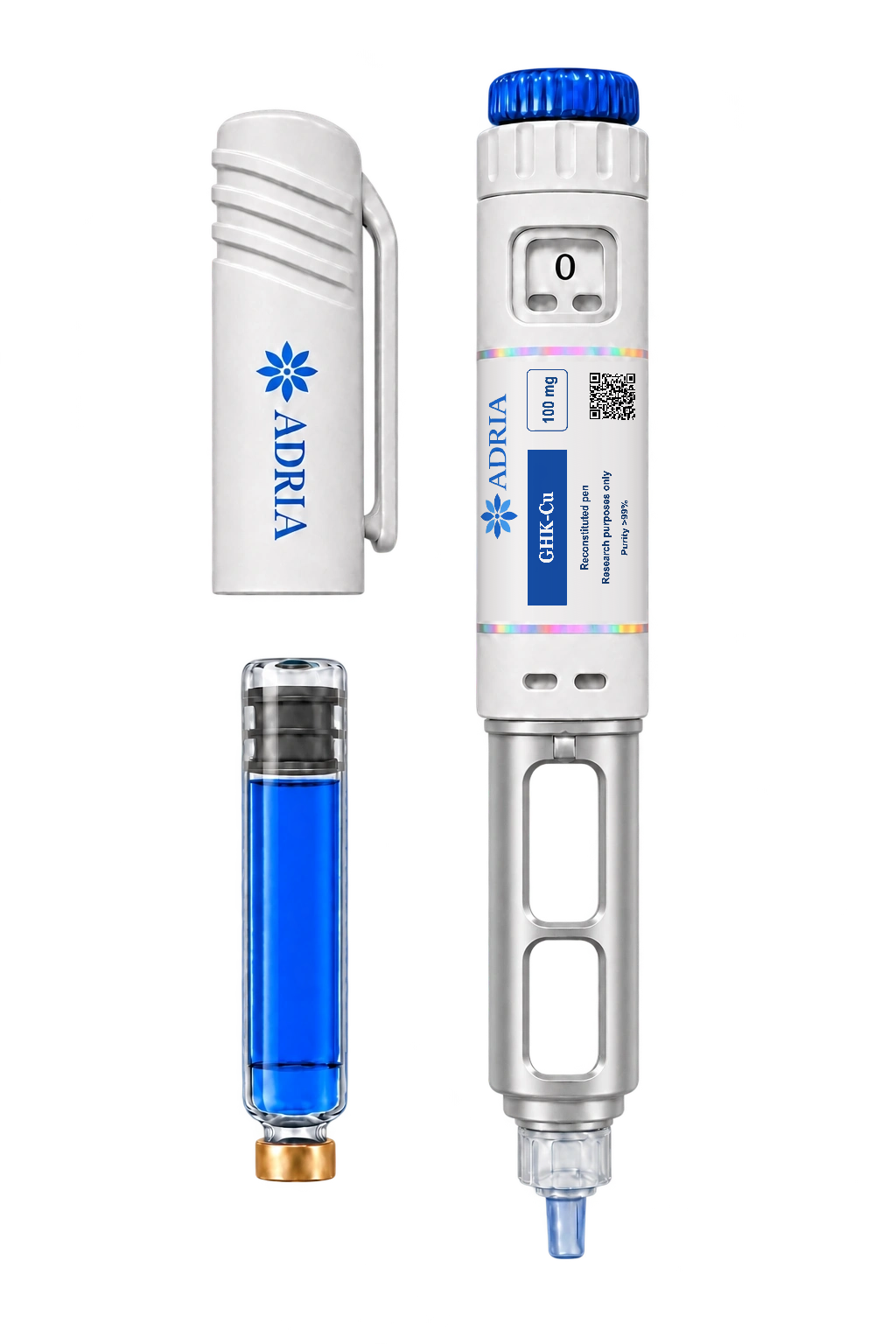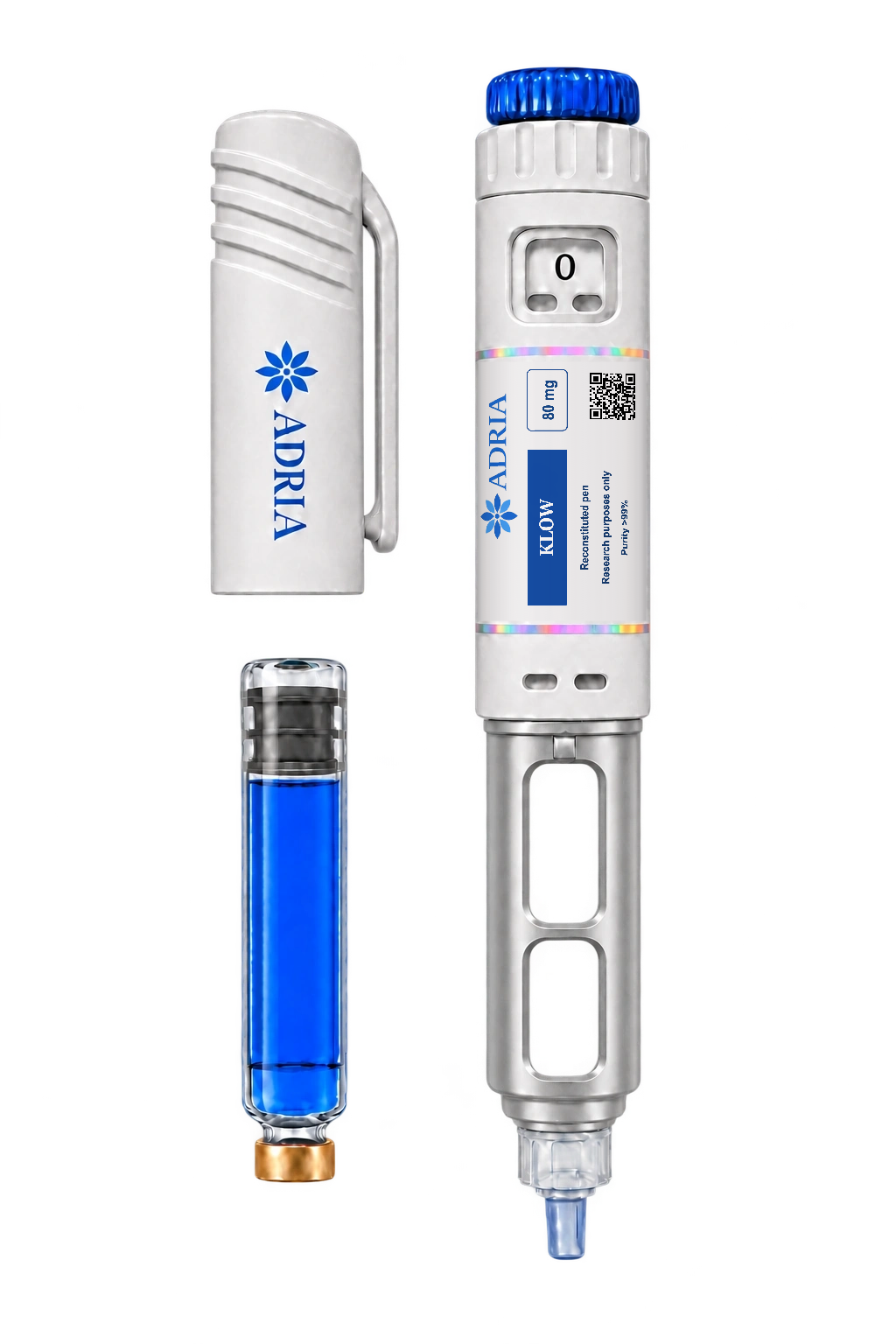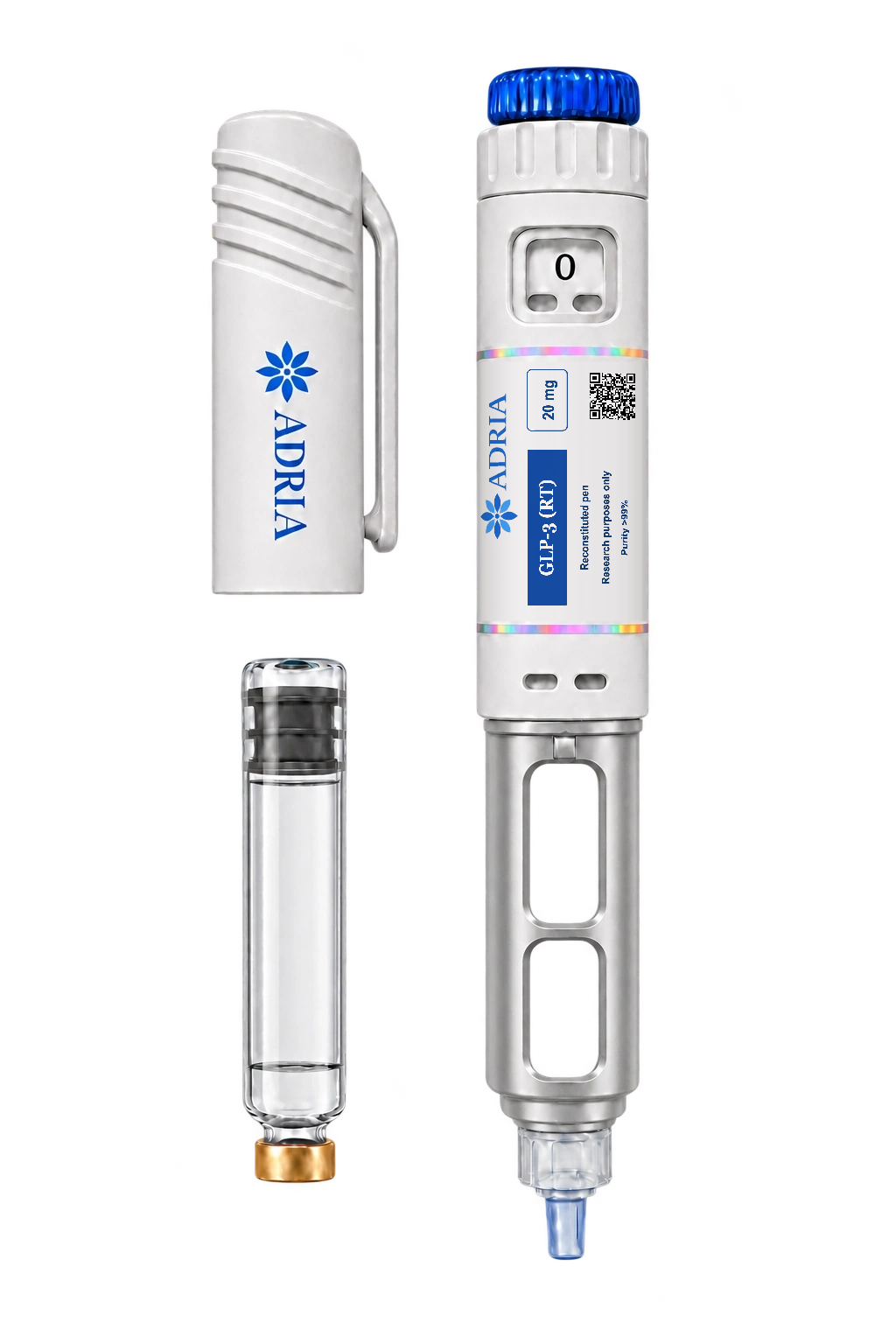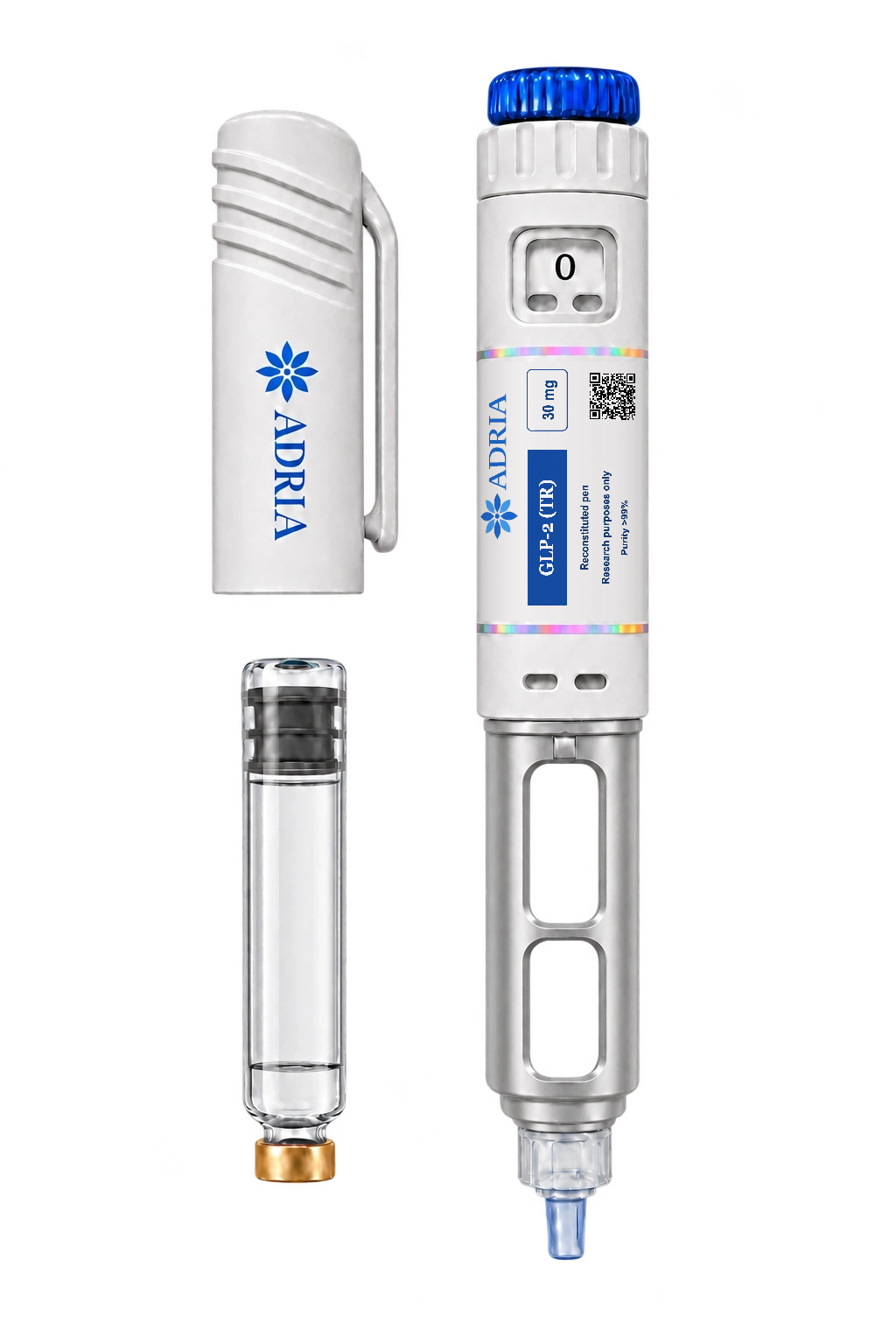
Temperature control
All peptide pen orders are securely packed in thermally insulated packaging to help reduce temperature fluctuations during transport. Our MSSPT formulation approach is designed to support peptide stability during transport and storage. After delivery, follow the storage conditions stated for your pen.
MSSPT technology
MSSPT is ADRIA’s formulation approach for liquid peptide research materials. It brings together buffer and stabilizer selection with attention to light, oxidation, transport and storage conditions.
Performance depends on the specific compound, formulation and cartridge. Product-specific stability duration is not established by general ingredient studies.
Peptide Pens
TB-500 (Thymosin Beta-4) Pen
In stock
Order within — to ship today
Arrives 26 – 30 Nov. to Europe


 Shown at checkout
TB-500 (Thymosin Beta-4) Pen
Original price was: 180,00 €.153,00 €Current price is: 153,00 €.
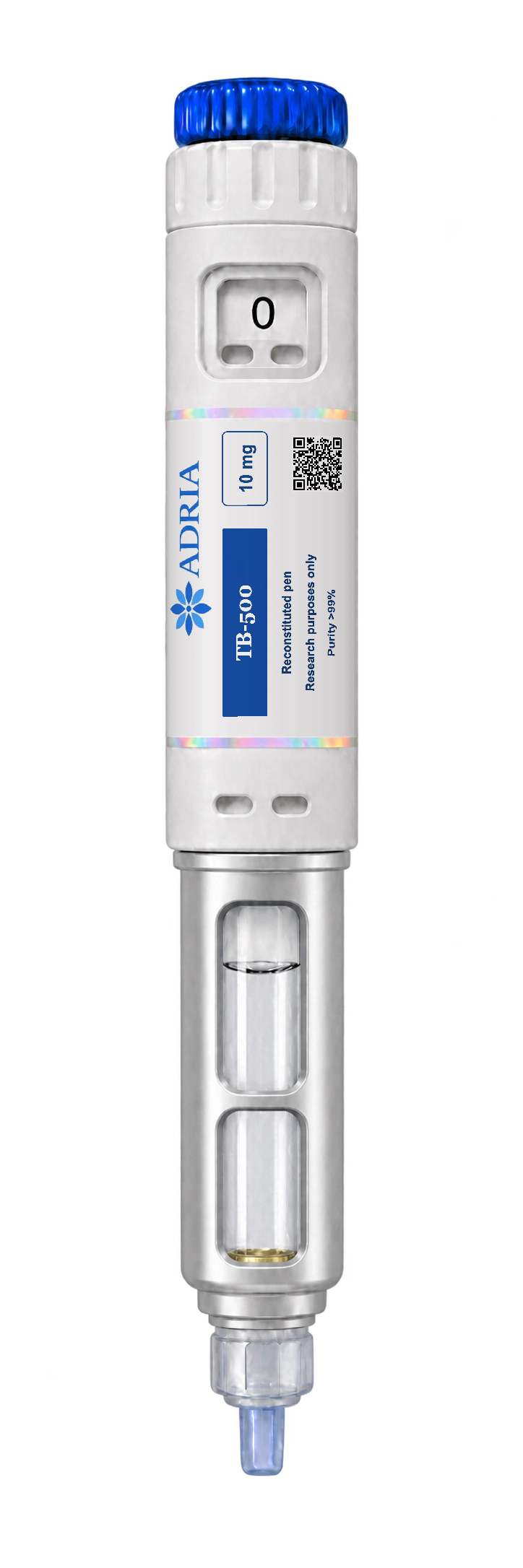
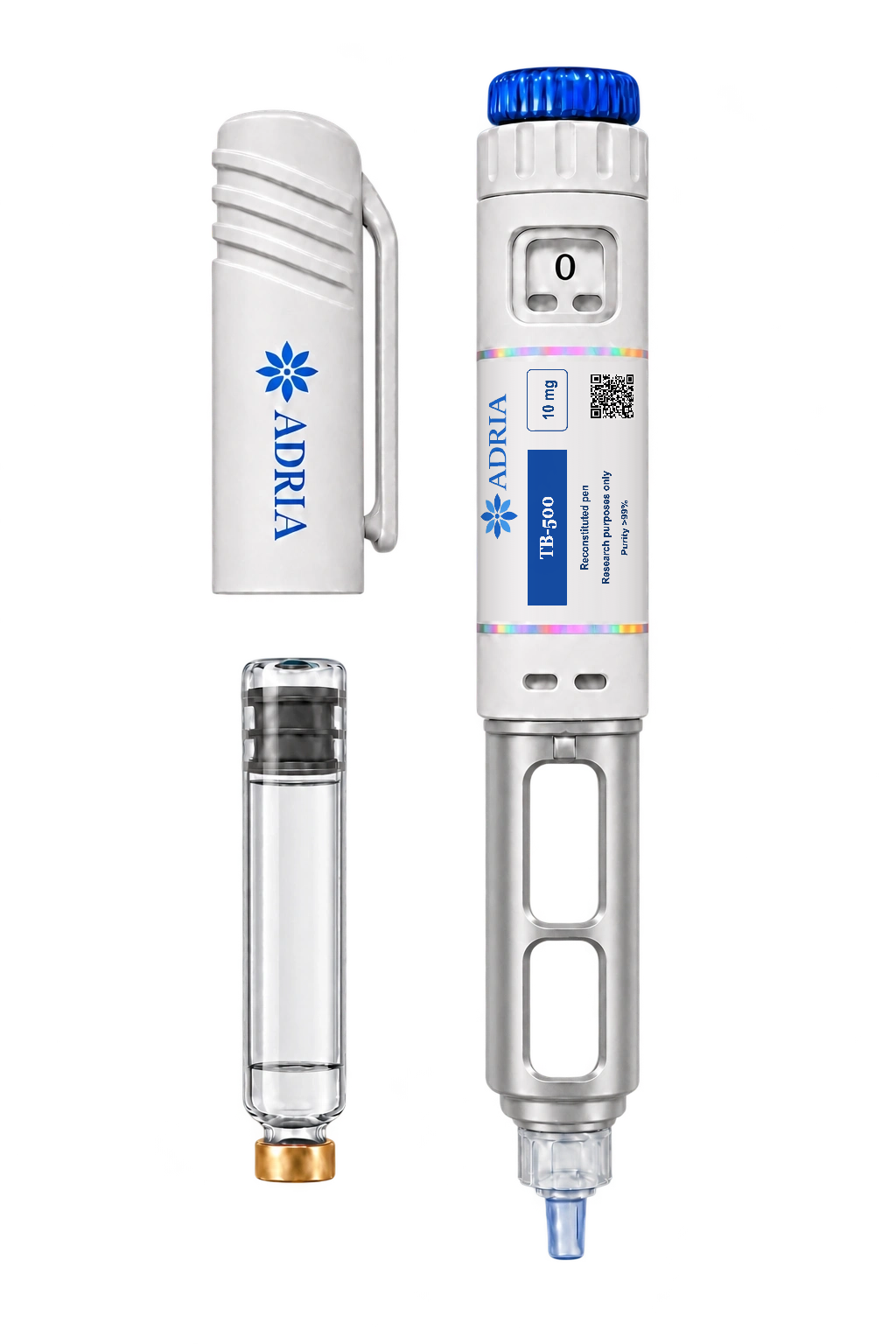
The ADRIA TB-500 (Thymosin Beta-4) Pen presents TB-500 (Thymosin Beta-4) in a pre-reconstituted cartridge format for laboratory research. Thymosin Beta-4 (Tβ4), also called TB-500 is a synthetic version of natural peptide consisting of 43 amino acids. This naturally occurring peptide plays a vital role in repairing and regeneration of injured cells and tissues by reducing apoptosis, inflammation, and microbial growth after injury. It is released by various cell types, including platelets and macrophages, and binds to actin, promoting cell migration and differentiation of stem/progenitor cells to form new blood vessels and regenerate tissue. It was studied also for wound healing or cardiovascular and neurological effects.
Compound information
Specifications
Molecular profile
- Sequence
- Ac-Ser-Asp-Lys-Pro-Asp-Met-Ala-Glu-Ile-Glu-Lys-Phe-Asp-Lys-Ser-Lys-Leu-Lys-Lys-Thr-Glu-Thr-Gln-Glu-Lys-Asn-Pro-Leu-Pro-Ser-Lys-Glu-Thr-Ile-Glu-Gln-Glu-Lys-Gln-Ala-Gly-Glu-Ser-OH
- Molecular mass
- 4963.49 g/mol
- CAS number
- 77591-33-4
- Molecular formula
- C212H350N56O78S
Material record
- Physical appearance
- Pre-mixed solution in a cartridge (planned pen format).
- Solubility
- Pre-reconstituted format; no reconstitution required.
- Product note
- Full-length 43-amino-acid thymosin beta-4, identified as TB-500 in the Adria Science analytical record; supplied strictly for research use only.
Research overview
TB-500 (Thymosin Beta-4) Pen
Why this pen is perfect for research
- No preparation required
- Fully pre-formulated and ready. No mixing, no vials, no risk of mistakes.
- Extremely easy to handle
- Simply turn the dial to set your amount. Ideal for researchers with no prior experience using traditional peptides.
- Clean and safe workflow
- The closed pen system keeps everything hygienic and sterile and eliminates spills or contamination.
- Precise and consistent dosing
- The built-in scale ensures accurate measurements
- Reliable, stable quality
- Every application delivers the same concentration, supporting reproducible research results.
Description of Thymosin Beta-4
TB-500 is a synthetic analogue of naturally occurring peptide Thymosin Beta-4, which is important in regeneration of injured cells and tissues. It also decreases scar formation and fibrosis by reducing the number of myofibroblasts in wounds, and has therapeutic potential also in skin, eye, heart, and brain injuries. Advances in understanding its biology have paved the way for ongoing and potential clinical trials in treating dermal wounds, corneal injuries, and regenerating heart and CNS tissue following ischemic insults or trauma. TB-500 functions primarily as an actin-binding protein, with actin being a crucial component of cell structure forming microfilaments. Microfilaments are vital for cell shape, membrane integrity, cell movement, and certain cellular reproduction steps. Actin is also a primary component of muscle protein, essential for muscle contraction. There have been numerous research studies conducted to prove the effects of this special peptide.
Overview of Published Research
Thymosin β4 (Tβ4) has emerged as a promising therapeutic agent for spinal cord injury (SCI) due to its neuroprotective, anti-inflammatory, and vasculoprotective properties. In a rat model of SCI, Tβ4 treatment significantly improved locomotor recovery, increased the numbers of surviving neurons and oligodendrocytes, and reduced inflammation compared to saline-treated controls. Moreover, Tβ4 treatment led to a decrease in pro-inflammatory cytokine expression and an increase in anti-inflammatory IL-10 levels. These findings suggest that Tβ4 holds potential for SCI treatment in humans, supported by its known safety profile in clinical trials.
Beyond SCI, Thymosin β4 (Tβ4) shows promise as a therapeutic strategy for neurological injuries and neurodegenerative diseases. It promotes central nervous system (CNS) and peripheral nervous system (PNS) plasticity, neurovascular remodeling, angiogenesis, neurogenesis, and oligodendrogenesis, leading to improved functional outcomes. Oligodendrogenesis, in particular, emerges as a common mechanism underlying Tβ4's restorative effects. Further research into the role of microRNAs (miRNAs) and exosomal communication networks may provide insights into the molecular mechanisms driving Tβ4-mediated neuroprotection and regeneration, paving the way for enhanced therapeutic strategies.
Thymosin Beta-4 (Tβ4) demonstrates a protective role against oxidative stress-induced injury in spinal cord-derived neural stem/progenitor cells (NSPCs) by acting through the toll-like receptor 4 (TLR4)/myeloid differentiation primary response 88 (MyD88) pathway. When exposed to oxidative stress, NSPCs showed reduced Tβ4 expression, leading to decreased cell viability and increased apoptosis. However, treatment with Tβ4 reversed these effects, increasing cell viability and reducing apoptosis. Additionally, Tβ4 mitigated the oxidative stress-induced increase in intracellular calcium concentration, lactate dehydrogenase levels, ROS production, and pro-inflammatory cytokine expression in NSPCs. Mechanistically, Tβ4 downregulated the expression of TLR4 and MyD88, suggesting involvement of the TLR4/MyD88 pathway in its protective effects. Inhibition of this pathway mirrored the effects of Tβ4 treatment, further supporting its role in attenuating oxidative stress injury in NSPCs. These findings underscore the therapeutic potential of Tβ4 in promoting NSPC survival and enhancing spinal cord regeneration after injury, offering hope for improving outcomes in severe spinal cord injuries.
Thymosin β4 (Tβ4) plays multifaceted roles in vascular development, repair, and protection against disease. The formation of the vasculature is crucial for embryonic survival and influences health in later life. Tβ4, an actin monomer binding protein, participates in various processes underlying vascular network assembly, including vasculogenesis, angiogenesis, arteriogenesis, endothelial-mesenchymal transition, and extracellular matrix remodeling. While the precise molecular mechanisms of Tβ4's vascular functions remain elusive, it is known to enhance capillary formation and pericyte recruitment while perturbing vessel growth and stability when deficient. Although Tβ4's cytoskeletal remodeling is implicated in endothelial cell migration, its paracrine and nuclear roles warrant further exploration. Delineating the molecular pathways influenced by Tβ4 offers promise for identifying novel targets to prevent and treat vascular diseases. Moreover, TB-500, a derivative of TB-4, exhibits potent stimulatory effects on VEGF expression, suggesting its involvement in multiple steps of blood vessel growth and remodeling, including extracellular matrix remodeling, vasculogenesis, and angiogenesis.
Thymosin Beta-4 (Tβ4) has emerged as a key regulator of hair growth, stimulating the process through various mechanisms. Studies involving rat and mice models, including transgenic mice overexpressing Tβ4, have demonstrated its ability to promote hair growth. Tβ4 influences hair follicle stem cells by facilitating their growth, migration, differentiation, and protease production. The discovery of TB-500's hair growth-promoting effects stemmed from observations in genetically modified mice deficient in Tβ4, which exhibited slower hair regrowth post-shaving, while those with elevated Tβ4 levels showed accelerated hair regrowth. Microscopic examination revealed increased hair shafts and grouped hair follicles in mice with augmented Tβ4 expression, underscoring its pivotal role in regulating hair growth.
The study aimed to develop Thymosin Beta-4 (Tβ4) as an adjunctive therapy to antibiotics for treating bacterial keratitis, addressing multidrug resistance and corticosteroid contraindication concerns. Tβ4 adjunct therapy significantly improved disease outcome compared to PBS, Tβ4 alone, and ciprofloxacin, correlating with enhanced wound healing, host defense, and inflammation resolution. Results underscored the importance of wound healing in developing new therapies for corneal infection, with adjunctive Tβ4 offering a more efficacious approach by targeting both the infectious pathogen and deleterious host response. Furthermore, research on TB-4 and its adjuvants, particularly in the context of Pseudomonas aeruginosa infection, revealed promising outcomes, showing that TB-4 combined with ciprofloxacin enhances antibiotic effects, accelerates healing, reduces inflammation, and promotes faster recovery, offering a potential strategy to combat multi-drug resistance and enhance antibiotic efficacy.
The Tβ4-Ac-SDKP pathway emerges as a promising therapeutic avenue for cardiovascular and renal diseases, with Tβ4 and Ac-SDKP demonstrating various beneficial effects. Ac-SDKP, derived from Tβ4, promotes cardiac repair post-infarction, exhibiting endothelial cell migration and myocyte survival. Both Tβ4 and Ac-SDKP possess antifibrotic and anti-inflammatory properties in multiple organs, stimulating angiogenesis. While the exact mechanisms remain unclear, potential receptors such as Ku80 have been implicated, suggesting new therapeutic opportunities for cardiovascular and renal injury. Meanwhile, hydrogels incorporating collagen, chitosan, and Tβ4 have shown promise in promoting angiogenesis and heart cell migration, offering a potential treatment avenue for myocardial infarction by reducing scarring and enhancing recovery. Additionally, TB-500 demonstrates various beneficial effects in cardiovascular health, promoting collateral blood vessel growth, endothelial cell migration, myocyte survival post-heart attack, and reducing inflammation and fibrosis, suggesting its potential therapeutic use in preventing and treating cardiovascular diseases.
Thymosin Beta-4 (Tβ4) induces autophagy markers LC3A/B and Beclin1, protecting against Prion protein peptide (PrP)-induced neurotoxicity in HT22 cells. It maintains a balance between autophagy markers and pathway factors, while preserving cholinergic signaling markers ChTp and AChE. Tβ4's competitive effect against PrP (106-126) on autophagy and cholinergic signaling is reversed by 3-MA, suggesting its therapeutic potential in preventing neurodegenerative diseases, including prion and Alzheimer's diseases, by enhancing autophagy.
Serum levels of Thymosin Beta-4 (Tβ4) are significantly elevated in rheumatoid arthritis (RA) patients compared to healthy controls and are positively associated with disease activity. Higher Tβ4 levels may also indicate resistance to treatment with disease-modifying antirheumatic drugs (DMARDs) and tumor necrosis factor (TNF)-α blockers. This suggests that Tβ4 could serve as a potential biomarker for disease activity and treatment response in RA. Further research is needed to determine whether Tβ4 could be a therapeutic target for controlling inflammation associated with RA.
Thymosin beta4 (Tβ4) has shown promising effects in promoting angiogenesis, wound healing, and hair follicle development in both normal and aged rodents. It acts by enhancing angiogenesis and cell migration, making it a potential candidate for clinical applications in wound repair and tissue regeneration. Additionally, TB-500, a derivative of Tβ4, has garnered significant attention in various fields of research, including cardiovascular and neurological diseases, as well as in enhancing the effects of antibiotics. Despite its promising therapeutic potential, TB-500 is currently limited to educational and scientific research purposes, with strict regulations against human consumption.
For laboratory purposes and personal observation only. Not for human consumption.
Research material handling
Transport and storage
Pre-mixed pen format
Peptide pens are supplied as a pre-mixed solution in a cartridge. No reconstitution is required.
Temperature-controlled transport
The supplied handling specification calls for insulated, temperature-controlled packaging. The approved transit range and permitted temperature excursions must be confirmed for the finished formulation.
Storage of reconstituted peptides
Peptide pens come pre-reconstituted and should be stored under refrigerated conditions whenever possible.
The following storage conditions are generally recommended:
- Room temperature (15–25 °C): Avoid prolonged storage
- Refrigerated (2–8 °C): Typically 4–8 weeks
Important: Most manufacturers recommend discarding reconstituted peptides within 4 weeks when stored at 2–8 °C. This recommendation is intentionally conservative and may not reflect the actual chemical stability of every peptide. In our own stability studies, many peptides reconstituted in bacteriostatic water showed no detectable degradation after 12 weeks of refrigerated storage. As peptide stability is highly sequence- and formulation-dependent, this result should not be extrapolated to all peptides without supporting stability data.
Analytical documentation
Tests
Latest published result
Liquilabs s.r.o.Signed Certificate of Analysis · 10 mg
98.6%Purity by HPLC
Recorded QC panel
- AssayPeptide screening
- 12.38 mg
- PurityPeptide screening
- 98.6%
- Identity (FTIR)FTIR spectrum
- 994
- Identity (RT)Retention time
- 0.990
These are the latest published results for this strength. The batch number is printed on each vial. Your supplied batch is confirmed against the matching published record when your order is allocated.
Source record
References
A. L. Goldstein et al., „Thymosin β4: a multi-functional regenerative peptide. Basic properties and clinical applications“, 2012 Jan;12(1):37-51
P. Cheng, F. Kuang, H. Zhang, G. Ju, and J. Wang, “Beneficial effects of thymosin β4 on spinal cord injury in the rat,” Neuropharmacology, vol. 85, pp. 408–416, Oct. 2014. [PubMed]
M. Chopp and Z. G. Zhang, “Thymosin β4 as a restorative/regenerative therapy for neurological injury and neurodegenerative diseases,” Expert Opin. Biol. Ther., vol. 15 Suppl 1, pp. S9-12, 2015. [PubMed]
H. Li, Y. Wang, X. Hu, B. Ma, and H. Zhang, “Thymosin beta 4 attenuates oxidative stress-induced injury of spinal cord-derived neural stem/progenitor cells through the TLR4/MyD88 pathway,” Gene, vol. 707, pp. 136–142, May 2019. [PubMed]
K. N. Dubé and N. Smart, “Thymosin β4 and the vasculature: multiple roles in development, repair and protection against disease,” Expert Opin. Biol. Ther., vol. 18, no. sup1, pp. 131–139, 2018. [PubMed]
D. Philp, S. St-Surin, H.-J. Cha, H.-S. Moon, H. K. Kleinman, and M. Elkin, “Thymosin beta 4 induces hair growth via stem cell migration and differentiation,” Ann. N. Y. Acad. Sci., vol. 1112, pp. 95–103, Sep. 2007. [PubMed]
T. W. Carion et al., “Thymosin Beta-4 and Ciprofloxacin Adjunctive Therapy Improves Pseudomonas aeruginosa-Induced Keratitis,” Cells, vol. 7, no. 10, Sep. 2018. [PubMed]
K. M. Kassem, S. Vaid, H. Peng, S. Sarkar, and N.-E. Rhaleb, “Tβ4-Ac-SDKP pathway: Any relevance for the cardiovascular system?,” Can. J. Physiol. Pharmacol., pp. 1–11, Mar. 2019. [PubMed]
A. D. Shaghiera, P. Widiyanti, and H. Yusuf, “Synthesis and Characterization of Injectable Hydrogels with Varying Collagen–Chitosan–Thymosin β4 Composition for Myocardial Infarction Therapy,” J. Funct. Biomater., vol. 9, no. 2, Mar. 2018. [PubMed]
H.-J. Han, S. Kim, and J. Kwon, “Thymosin beta 4-Induced Autophagy Increases Cholinergic Signaling in PrP (106-126)-Treated HT22 Cells,” Neurotox. Res., Dec. 2018. [PubMed]
Song, Ran & Choi, Hyun & Yang, Hyung-In & Yoo, Myung & Park, Yong-Beom & Kim, Kyoung. (2012). Association between serum thymosin β4 levels of rheumatoid arthritis patients and disease activity and response to therapy. Clinical rheumatology. 31. 1253-8. 10.1007/s10067-012-2011-7. [Research Gate]
Philp, D., et al. “Thymosin β4 Promotes Angiogenesis, Wound Healing, and Hair Follicle Development.” Mechanisms of Ageing and Development, vol. 125, no. 2, Feb. 2004, pp. 113–115, 10.1016/j.mad.2003.11.005. [PubMed]
National Center for Biotechnology Information
PubChem Compound Summary: Thymosin beta 4
Authoritative identity record for the thymosin-beta-4 research context of TB-500.
PubChem View source ↗Bock-Marquette I, Saxena A, White MD, et al. · 2004
Thymosin beta4 activates integrin-linked kinase and promotes cardiac cell migration, survival and cardiac repair
Primary work on full-length thymosin beta-4 in a cell-migration model.
Nature · 10.1038/nature03000 View source ↗Smart N, Risebro CA, Melville AA, et al. · 2007
Thymosin beta4 induces adult epicardial progenitor mobilization and neovascularization
Primary work on full-length thymosin beta-4 in an experimental developmental model.
Nature · 10.1038/nature05383 View source ↗Chemical Abstracts Service
CAS Common Chemistry: 77591-33-4
Authoritative CAS Registry Number record for full-length thymosin beta-4 context.
CAS Common Chemistry View source ↗Ho ENM, Kwok WH, Lau MY, et al. · 2012
Doping control analysis of TB-500, a synthetic version of an active region of thymosin beta 4, in equine urine and plasma by liquid chromatography-mass spectrometry
Primary analytical report identifying one TB-500 preparation as N-acetylated LKKTETQ; it is shown to document the identity conflict, not to assert the sold vial form.
Journal of Chromatography A · 10.1016/j.chroma.2012.09.043 View source ↗Goldstein AL, Hannappel E, Sosne G, Kleinman HK · 2012
Thymosin β4: a multi-functional regenerative peptide. Basic properties and clinical applications
Expert opinion on biological therapy View source ↗Ruff D, Crockford D, Girardi G, Zhang Y · 2010
A randomized, placebo-controlled, single and multiple dose study of intravenous thymosin beta4 in healthy volunteers
Annals of the New York Academy of Sciences View source ↗Morris DC, Cui Y, Cheung WL, Lu M, Zhang L, Zhang ZG, Chopp M · 2014
A dose-response study of thymosin β4 for the treatment of acute stroke
Journal of the neurological sciences View source ↗Malinda KM, Sidhu GS, Mani H, Banaudha K, Maheshwari RK, Goldstein AL, Kleinman HK · 1999
Thymosin beta4 accelerates wound healing
The Journal of investigative dermatology View source ↗Xing Y, Ye Y, Zuo H, Li Y · 2021
Progress on the Function and Application of Thymosin β4
Frontiers in endocrinology View source ↗Sosne G, Ousler GW · 2015
Thymosin beta 4 ophthalmic solution for dry eye: a randomized, placebo-controlled, Phase II clinical trial conducted using the controlled adverse environment (CAE™) model
Clinical ophthalmology (Auckland, N.Z.) View source ↗Morris DC, Chopp M, Zhang L, Lu M, Zhang ZG · 2010
Thymosin beta4 improves functional neurological outcome in a rat model of embolic stroke
Neuroscience View source ↗Xiong Y, Mahmood A, Meng Y, Zhang Y, Zhang ZG, Morris DC, Chopp M · 2011
Treatment of traumatic brain injury with thymosin β₄ in rats
Journal of neurosurgery View source ↗· 2012
A. L. Goldstein et al., „Thymosin β4: a multi-functional regenerative peptide. Basic properties and clinical applications“, 2012 Jan;12(1):37-51
P. Cheng, F. Kuang, H. Zhang, G. Ju, and J. Wang · 2014
Beneficial effects of thymosin β4 on spinal cord injury in the rat
NeuropharmacologyM. Chopp and Z. G. Zhang · 2015
Thymosin β4 as a restorative/regenerative therapy for neurological injury and neurodegenerative diseases
Expert Opin. Biol. TherH. Li, Y. Wang, X. Hu, B. Ma, and H. Zhang · 2019
Thymosin beta 4 attenuates oxidative stress-induced injury of spinal cord-derived neural stem/progenitor cells through the TLR4/MyD88 pathway
GeneK. N. Dubé and N. Smart · 2018
Thymosin β4 and the vasculature: multiple roles in development, repair and protection against disease
Expert Opin. Biol. TherD. Philp, S. St-Surin, H.-J. Cha, H.-S. Moon, H. K. Kleinman, and M. Elkin · 2007
Thymosin beta 4 induces hair growth via stem cell migration and differentiation
Ann. N. Y. Acad. SciT. W. Carion et al. · 2018
Thymosin Beta-4 and Ciprofloxacin Adjunctive Therapy Improves Pseudomonas aeruginosa-Induced Keratitis
CellsK. M. Kassem, S. Vaid, H. Peng, S. Sarkar, and N.-E. Rhaleb · 2019
Tβ4-Ac-SDKP pathway: Any relevance for the cardiovascular system?
Can. J. Physiol. PharmacolA. D. Shaghiera, P. Widiyanti, and H. Yusuf · 2018
Synthesis and Characterization of Injectable Hydrogels with Varying Collagen–Chitosan–Thymosin β4 Composition for Myocardial Infarction Therapy
J. Funct. BiomaterH.-J. Han, S. Kim, and J. Kwon · 2018
Thymosin beta 4-Induced Autophagy Increases Cholinergic Signaling in PrP (106-126)-Treated HT22 Cells
Neurotox. Res., Dec. 2018. [PubMed]· 2012
Song, Ran & Choi, Hyun & Yang, Hyung-In & Yoo, Myung & Park, Yong-Beom & Kim, Kyoung. (2012). Association between serum thymosin β4 levels of rheumatoid arthritis patients and disease activity and response to therapy. Clinical rheumatology. 31. 1253-8. 10.1007/s10067-012-2011-7. [Research Gate]
· 10.1007/s10067-012-2011-7 View source ↗Philp, D., et al. · 2004
Thymosin β4 Promotes Angiogenesis, Wound Healing, and Hair Follicle Development
Mechanisms of Ageing and Development · 10.1016/j.mad.2003.11.005 View source ↗Customer reviews

Quality products,fast shipping,great refferal plan,only downside is that products in 4 mounths since my first order got more and more expensive ,but overall verry good experience.
Read full review →More than 2 weeks for package dispatch. They promised one free peptide next time. Sent me new tracking number but package still wasn't delivered to fedex. Last package (much much cheaper) was delivered in less than week. I will update if they will send my package. ok,package sent.
Read full review →Extremely satisfied with the product quality and overall experience. The customer service is polite and quick. All recommendations!
Read full review →Great service!
Read full review →Always on time and customer care is super great
Read full review →Fast good, and quality is perfect
Read full review →ordered 3 times now and everything ok every time.
Read full review →Trustworthy site with a huge catalog of products. Been purchasing from them for some time now never got disappointed. I could only recommend them.
Read full review →Great quality product
Read full review →Everything was great, super customer support, honest, reliable
Read full review →Everything ok. With little problem with package, but after contact with Customer Service everything went right. Good quality of products
Read full review →Excellent. Buying peptides online can be nerve wracking! But Adria are very transparent about all the checks and certifications. My experience with them was excellent. Great products at good prices and efficient P&P
Read full review →Continue exploring