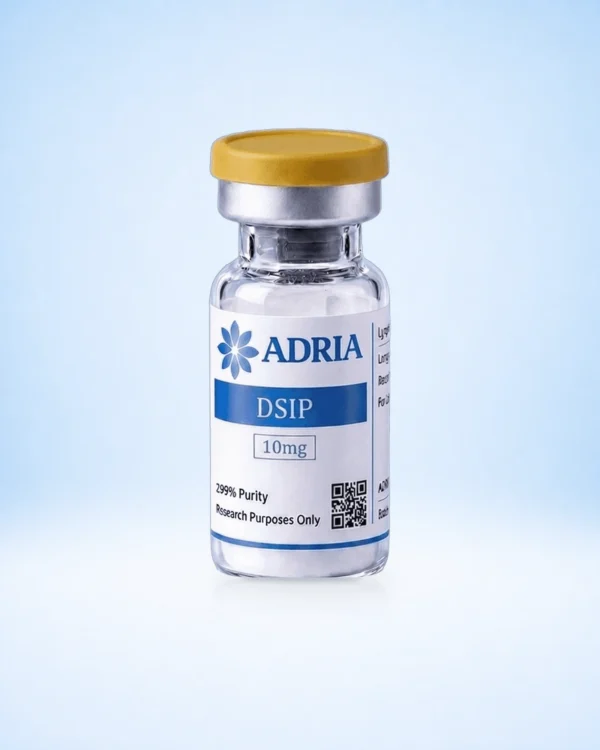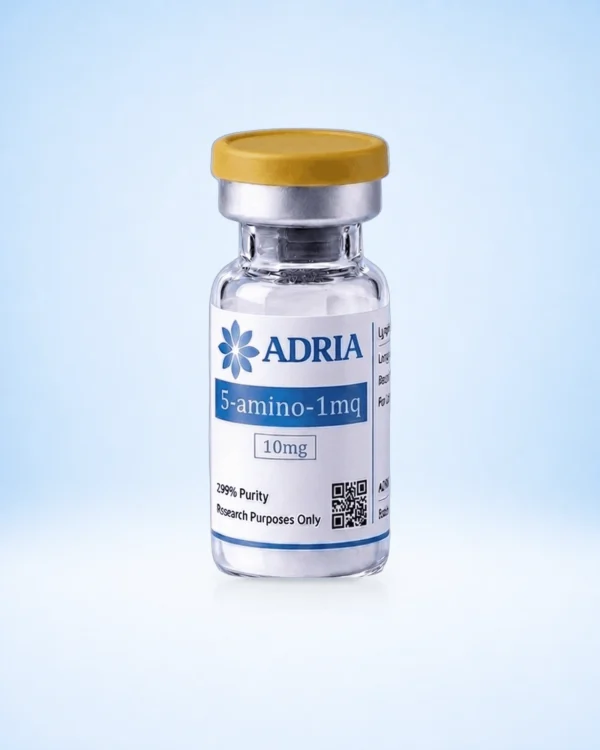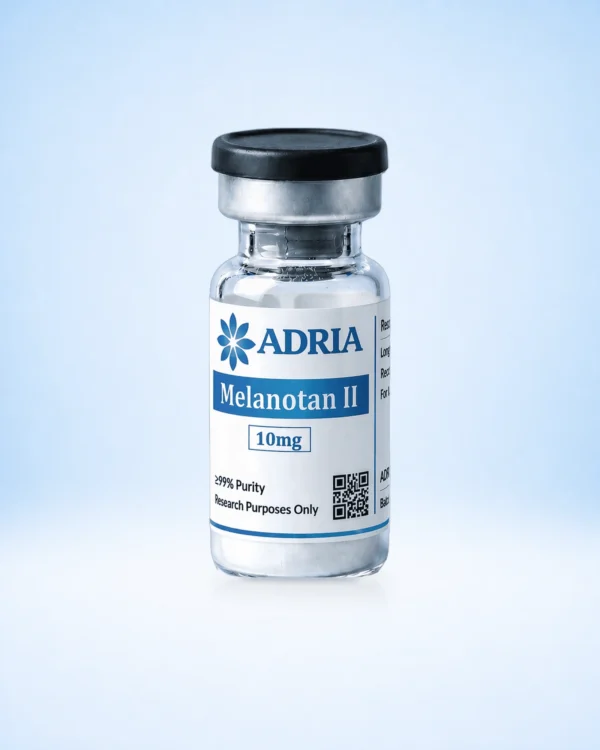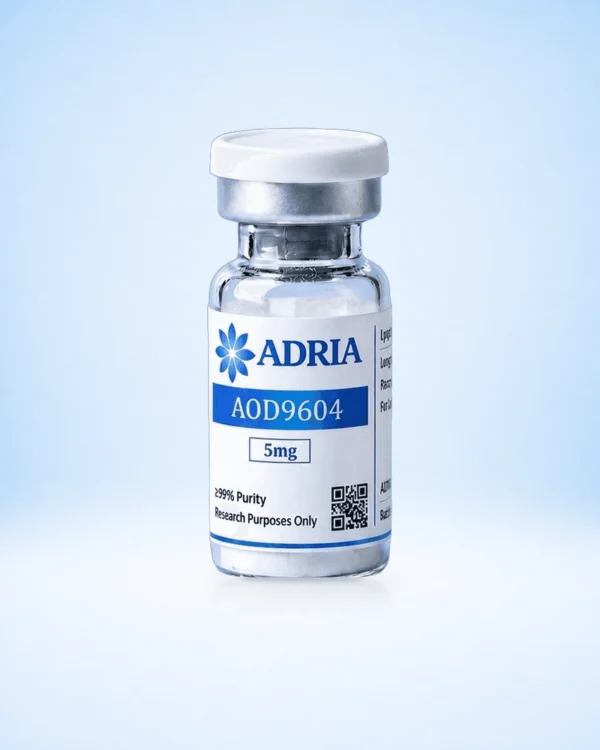
Peptide appearance
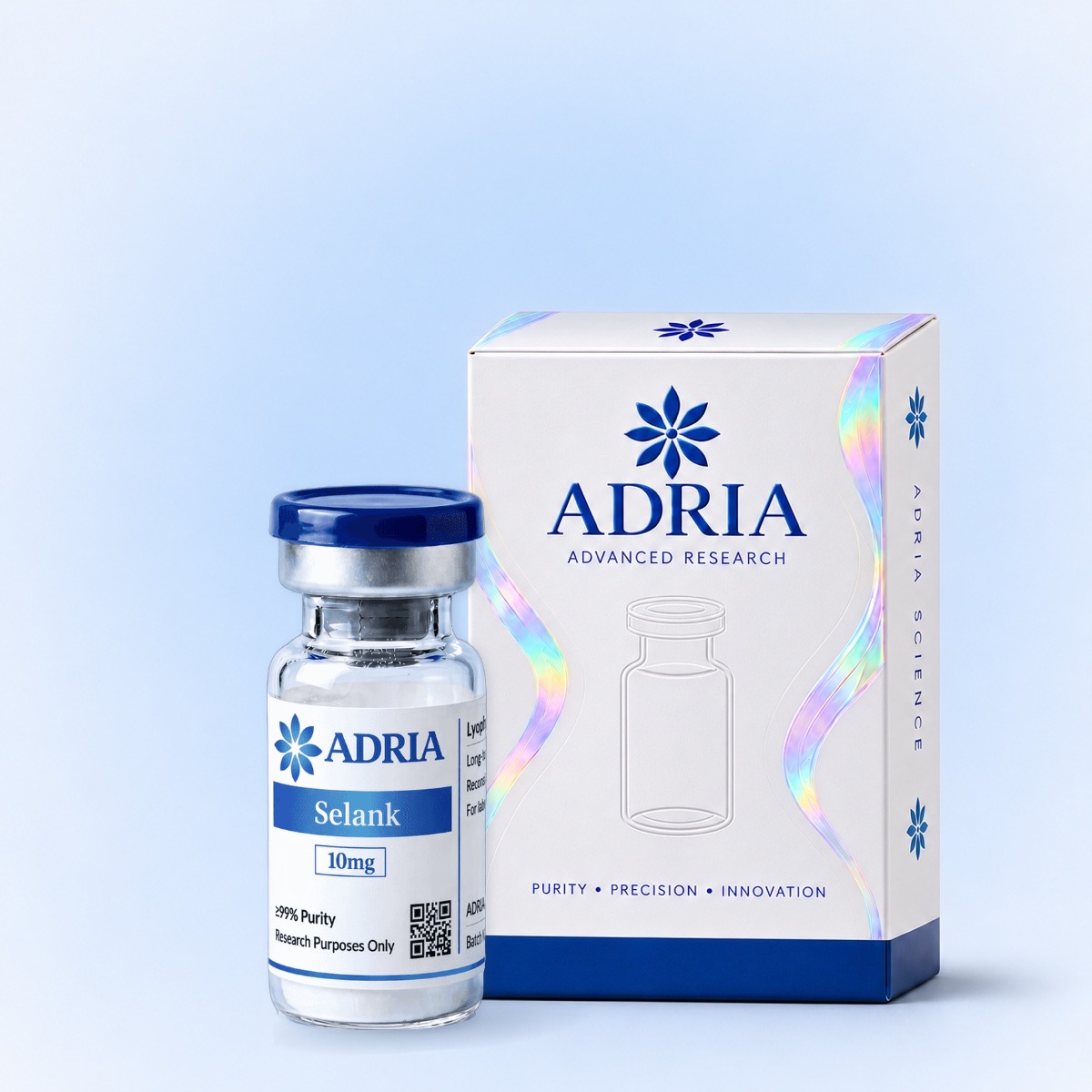
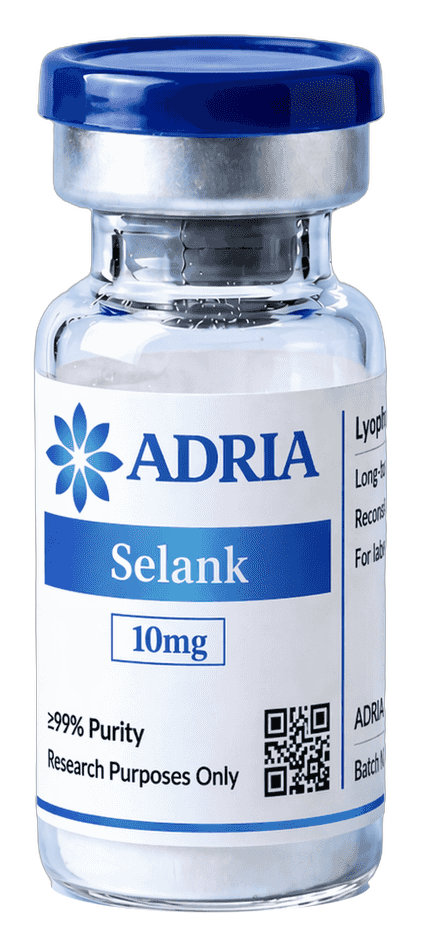
Lyophilized form helps protect peptide quality. Peptides are supplied as a dry powder, which may look like a compact "puck" or a lighter powder inside the vial.
Because the peptide is dry, it does not require refrigerated shipping during normal transit, including warm seasonal conditions. For longer storage, follow the storage guidance in the product description.
Appearance can vary. The stated peptide content is checked through third-party analysis.
Read more in the product description.
Solution not bundled
Peptides are delivered as lyophilized powder. This dry form helps preserve peptide quality during storage and transport and does not require refrigerated shipping during normal transit.
To prepare a solution, use a solvent such as Bacteriostatic water. It is sold separately, so add it only when you need it for peptide preparation.
Read more in the product description.
Sleep Enhancement
Selank
In stock
Order within — to ship today
Arrives 26 – 30 November to Europe


 Shown at checkout
Selank
Price range: 21,90 € through 33,00 €
Tuftsin-derived heptapeptide for neuropeptide and stress-pathway studies.
Compound information
Specifications
Molecular profile
- Sequence
- Thr-Lys-Pro-Arg-Pro-Gly-Pro
- Molecular mass
- 751.9 g/mol
- CAS number
- 129954-34-3
- Molecular formula
- C33H57N11O9
Material record
- Physical appearance
- White to off-white lyophilized powder
- Solubility
- Soluble in bacteriostatic water and suitable aqueous laboratory solvents.
- Product note
- Tuftsin-derived heptapeptide analogue; supplied strictly for research use only.
Research overview
Selank
Description of Selank Peptide
A synthetically produced heptapeptide Selank consists of 7 amino acids, and it mimics the human peptide called tufsin, but with prolonged half-life, and better metabolic stability. In clinical trials it has shown nootropic and anxiolytic effects, and has been investigated in the context of anxiety disorder (GAD), without negative cognitive side effects. Studies have shown that it stimulates the expression of brain-derived neurotrophic factor (BDNF) in hippocampus of rats, and inhibits enzymes in degradation of enkephalins and other endogenous regulatory peptides. In animal studies it demonstrated antidepressive effects.
Now we would like to bring you closer to the effects of the peptide, which have been researched and confirmed in numerous studies.
Overview of Published Research
Selank, a synthetic peptide with anxiolytic properties, has been found to influence the expression of genes involved in neurotransmission, specifically those associated with the GABAergic system. Clinical studies have shown the similarity of the spectrum of physiological effects, and mechanism of action of Selank and classical benzodiazepines, such as diazepam and phenazepam. In a study assessing the gene expression in the frontal cortex of rats 1 and 3 hours after Selank or GABA administration, significant changes were observed in the expression of 45 genes within the first hour and 22 genes after 3 hours. These genes included major subunits of the GABA receptor, transporters, ion channels, and receptors for dopamine and serotonin. The correlation between the changes in gene expression after administration of Selank or GABA indicates that Selank has complex effects on nerve cells and may modulate the GABAergic system, suggesting a mechanism of action similar to benzodiazepines.
Another study investigated the effects of Selank on reducing anxiety in rats under conditions of unpredictable chronic mild stress. It was found that the anxiolytic effect of Selank is comparable to that of classical benzodiazepines like diazepam, and when both substances were combined, they effectively reduced anxiety levels in conditions of chronic stress. However, even in the absence of chronic stress, administration of Selank showed fewer adverse effects on anxiety indicators compared to diazepam. This suggests that the combination of Selank and diazepam may be particularly effective in reducing anxiety in stressful conditions, while Selank alone could be a promising research alternative to benzodiazepines with fewer side effects in reducing anxiety.
Selank has been also found to inhibit enkephalin-degrading enzymes, which may explain its calming effects. Clinical studies involving patients with various anxiety and phobic disorders, such as generalized anxiety and panic disorders, showed a significant reduction in enkephalinase activity and a shorter half-life for enkephalins in those with generalized anxiety but not in those with panic disorders and agoraphobia. This suggests a possible connection between generalized anxiety and low concentrations of endogenous inhibitors of enkephalin-degrading enzymes. Selank, with its unique heptapeptide structure, demonstrated a strong ability to inhibit the enzymatic breakdown of enkephalins, with a higher potency than known peptidase inhibitors like bacitracin and puromycin.
Additionally, studies on different strains of mice with varying emotional and stress reactions revealed that Selank could produce anxiolytic effects in certain mice by prolonging the half-life of enkephalins in the blood. Specifically, in BALB/c mice, Selank at a dose of 100 micrograms/kg increased the half-life of plasma leu-enkephalin and produced anxiolytic effects in the open-field test. However, in C57Bl/6 mice, it did not significantly affect behavioral reactions or enkephalinase activities. This indicates that Selank's ability to inhibit enkephalin-degrading enzymes is associated with its anxiolytic activity and may offer a potential research mechanism for investigating anxiety and related disorders.
Selank demonstrates unique immunomodulatory effects, making it a potential research compound of interest in the context of anxiety-asthenic disorders. Research in vitro indicated that Selank suppressed gene expression of interleukin-6 (IL-6) in patients with depression but not in healthy controls. Interestingly, an increase in IL-6 concentration was observed in cell cultures from the peripheral blood of patients when treated with Selank. Furthermore, a 14-day course of Selank in patients with generalized anxiety disorder (GAD) and neurasthenia resulted in changes in the Th1/Th2 cytokine balance. These findings suggest that Selank may act as an immunomodulator, with adaptogenic properties of potential research interest for elderly people and those exposed to environmental stressors, in the context of investigating infectious disease susceptibility.
A study involving 62 patients with GAD and neurasthenia showed that Selank exhibited anxiolytic effects similar to those of medazepam, a classical benzodiazepine, but with additional antiasthenic and psychostimulant properties. During the study with Selank, patients with GAD demonstrated increased serum levels of tau(1/2) leu-enkephalin, correlated with reduced anxiety and asthenia symptoms. Additionally, Selank has been shown to alter the expression of genes involved in inflammation in mouse spleen, suggesting its role in regulating inflammatory processes. The synthetic peptide caused changes in the expression of 34 genes related to inflammation, with notable alterations in the Bcl6 gene, crucial for immune system development.
Selank is closely related to Semax, and its effects. Semax as a peptide derived from adrenocorticotropic hormone (ACTH) and Pro-Gly-Pro, is known for its neuroprotective and cognitive-influencing effects. A study explored the effect of Semax on the expression of brain-derived neurotrophic factor (BDNF) and nerve growth factor (NGF) genes in the rat hippocampus and frontal cortex following a single intranasal administration (50 mg/kg). The research revealed that Semax administration leads to rapid and dynamic changes in gene expression in these brain regions.
Selank is derived from the endogenous tetrapeptide tuftsin, and has been extensively studied for its effects on learning, memory, and serotonin (5-HT) metabolism in rats. In one experimental setup, rats trained with food rewards were injected with either Selank (300 micrograms/kg) or saline after the 10th trial in a series of 30 trials per day. The experiment continued 30 minutes later with elaboration of conditioned reflex and later testing of retention after 24 hours, 7 days, and 30 days. The results showed that Selank activates 5-HT metabolism in the hypothalamus and caudal brainstem within 30 minutes to 2 hours of administration. Moreover, Selank injection during the consolidation phase led to increased memory trace stability over 30 days, suggesting that it may play a role in influencing memory storage processes.
Beyond anxiety, Selank appears to directly influence cognitive functions, as indicated by its impact on memory trace stability. This effect is notable as it is independent of the animal's anxiety levels, implying that Selank has a more direct influence on memory and learning. Additional studies showed that Selank could modify the expression of several genes in the hippocampus and affect the mRNA levels of 36 different genes, most of which are associated with plasma membranes. These results suggest that Selank could modulate ion-dependent processes involved in learning and memory, highlighting its potential as a subject of cognitive research.
Selank has also shown potential in research into cognitive processes following damage to the brain. In one study, rats treated with a neurotoxin that selectively damages catecholaminergic neurons during early ontogeny were injected with Selank (300 micrograms/kg). Selank demonstrated an ability to influence cognitive processes that had been compromised due to chronic inhibition of the catecholaminergic system. This suggests that Selank might be of research interest in the context of cognitive functions following brain damage.
The heptapeptides Semax and Selank have been shown to inhibit enkephalin-degrading enzymes in human serum in a dose-dependent manner. These synthetic compounds demonstrated inhibitory effects at lower concentrations compared to other known inhibitors, such as puromycin, bacitracin, and others. Enkephalins are endogenous peptides that interact with opioid receptors, playing a role in pain intensity regulation. Additionally, they are involved in the body's stress response, with high concentrations typically located in the brain and adrenal glands.
Interestingly, the pentapeptide fragments derived from these heptapeptides also exhibited inhibition of these enzymes, whereas shorter fragments—tri-, tetra-, and hexapeptides—did not. Since enkephalin-degrading enzymes are involved in breaking down not just enkephalins but other regulatory peptides, it's likely that the inhibitory action of Semax and Selank contributes to their overall biological effects. This inhibition could play a role in maintaining higher levels of important regulatory peptides, providing a potential explanation for some of the physiological effects observed with these compounds.
For laboratory purposes and personal observation only. Not for human consumption.
Laboratory care
Handling
Peptides in transport
Peptides in lyophilized form are supplied in glass vials by standard shipping methods and do not require refrigeration. Short-term temperature fluctuations during transport will not reduce their quality and efficacy. Even at high summer temperatures, the peptides in lyophilized form are stable for several weeks.
Storage of lyophilized peptides
Lyophilized peptides should be stored in a dry place, protected from light and moisture. The following storage conditions are generally recommended:
- Room temperature (15–25 °C): Up to 3 months
- Refrigerated (2–8 °C): Up to 6 months
- Frozen (-20 °C or below): 3–5 years (recommended for long-term storage)
Allow the vial to reach room temperature after taking it out of the refrigerator or freezer.
Storage of reconstituted peptides
Once reconstituted, peptide solutions are generally less stable than their lyophilized form and should be stored under refrigerated conditions whenever possible.
The following storage conditions are generally recommended:
- Room temperature (15–25 °C): Avoid prolonged storage
- Refrigerated (2–8 °C): Typically 4–8 weeks
- Frozen (-20 °C or below): Up to 3–4 months
To preserve peptide integrity, avoid repeated freeze–thaw cycles, as these may accelerate peptide degradation.
Important: Most manufacturers recommend discarding reconstituted peptides within 4 weeks when stored at 2–8 °C. This recommendation is intentionally conservative and may not reflect the actual chemical stability of every peptide. In our own stability studies, many peptides reconstituted in bacteriostatic water showed no detectable degradation after 12 weeks of refrigerated storage. As peptide stability is highly sequence- and formulation-dependent, this result should not be extrapolated to all peptides without supporting stability data.
Analytical documentation
Tests
Documentation is available on request
Contact us for the current record for this strength. We never substitute a generic or mismatched certificate.
Your batch is confirmed when your order is allocated.Latest published result
Liquilabs s.r.o.Signed Certificate of Analysis · 10mg
> 99.8%Purity by HPLC
Recorded QC panel
- AssayPeptide screening
- 12.13 mg
- PurityPeptide screening
- > 99.8%
- Identity (FTIR)FTIR spectrum
- 998
- Identity (RT)Retention time
- 0.984
These are the latest published results for this strength. The batch number is printed on each vial. Your supplied batch is confirmed against the matching published record when your order is allocated.
Source record
References
A. Volkova et al., "Selank Administration Affects the Expression of Some Genes Involved in GABAergic Neurotransmission," Front. Pharmacol., vol. 7, Feb. 2016. [PubMed]
A. Kasian et al., "Peptide Selank Enhances the Effect of Diazepam in Reducing Anxiety in Unpredictable Chronic Mild Stress Conditions in Rats," Behavioural Neurology, 2017. [Online]. Available: https://www.hindawi.com/journals/bn/2017/5091027/.
A. A. Zozulya et al., "The inhibitory effect of Selank on enkephalin-degrading enzymes as a possible mechanism of its anxiolytic activity," Bull. Exp. Biol. Med., vol. 131, no. 4, pp. 315–317, Apr. 2001. [PubMed]
O. Y. Sokolov, V. K. Meshavkin, N. V. Kost, and A. A. Zozulya, "Effects of Selank on behavioral reactions and activities of plasma enkephalin-degrading enzymes in mice with different phenotypes of emotional and stress reactions," Bull. Exp. Biol. Med. [PubMed]
O. N. Uchakina et al., "[Immunomodulatory effects of selank in patients with anxiety-asthenic disorders]," Zh. Nevrol. Psikhiatr. Im. S. S. Korsakova, vol. 108, no. 5, pp. 71–75, 2008. [PubMed]
A. A. Zozulia et al., "[Efficacy and possible mechanisms of action of a new peptide anxiolytic selank in the therapy of generalized anxiety disorders and neurasthenia]," Zh. Nevrol. Psikhiatr. Im. S. S. Korsakova, vol. 108, no. 4, pp. 38–48, 2008. [PubMed]
T. Kolomin, M. Shadrina, L. Andreeva, P. Slominsky, S. Limborska, and N. Myasoedov, "Expression of inflammation-related genes in mouse spleen under tuftsin analog Selank," Regul. Pept., vol. 170, no. 1–3, pp. 18–23, Oct. 2011. [PubMed]
T. I. Agapova et al., "[Effect of semax on the temporary dynamics of brain-derived neurotrophic factor and nerve growth factor gene expression in the rat hippocampus and frontal cortex]," Mol. Genet. Mikrobiol. Virusol., no. 3, pp. 28–32, 2008. [PubMed]
T. P. Semenova, I. I. Kozlovskiĭ, N. M. Zakharova, and M. M. Kozlovskaia, "[Experimental optimization of learning and memory processes by selank]," Eksp. Klin. Farmakol., vol. 73, no. 8, pp. 2–5, Aug. 2010. [PubMed]
T. A. Kolomin et al., "[c]," Zh. Vyssh. Nerv. Deiat. Im. I. P. Pavlova, vol. 63, no. 3, pp. 365–374, Jun. 2013.
T. P. Semenova, M. M. Kozlovskaya, N. M. Zakharova, I. I. Kozlovskii, and A. V. Zuikov, "Effect of selank on cognitive processes after damage inflicted to the cerebral catecholamine system during early ontogeny," Bull. Exp. Biol. Med., vol. 144, no. [PubMed]
N. V. Kost et al., "[Semax and selank inhibit the enkephalin-degrading enzymes from human serum]]," Bioorg. Khim., vol. 27, no. 3, pp. 180–183, Jun. 2001. [Springer]
National Center for Biotechnology Information
PubChem Compound Summary: Selank
Authoritative identity record for Selank.
PubChem View source ↗Panikratova YR, Lebedeva IS, Sokolov OY, et al. · 2020
Functional Connectomic Approach to Studying Selank and Semax Effects
Experimental comparison of Selank and Semax in a functional-connectomics model.
Doklady Biological Sciences · 10.1134/s001249662001007x View source ↗Leonidovna YA, Aleksandrovna SM, Aleksandrovna TA, et al. · 2021
The Influence of Selank on the Level of Cytokines Under the Conditions of Social Stress
Experimental report on Selank in a cytokine-measurement model.
Current Reviews in Clinical and Experimental Pharmacology · 10.2174/1574884715666200704152810 View source ↗Chemical Abstracts Service
CAS Common Chemistry: 129954-34-3
Authoritative CAS Registry Number record for Selank.
CAS Common Chemistry View source ↗National Center for Biotechnology Information
PubChem compound record
PubChem View source ↗Zozulia AA, Neznamov GG, Siuniakov TS, Kost NV, Gabaeva MV, Sokolov OIu, Serebriakova EV, Siranchieva OA, Andriushenko AV, Telesheva ES, Siuniakov SA, Smulevich AB, Miasoedov NF, Seredenin SB · 2008
[Efficacy and possible mechanisms of action of a new peptide anxiolytic selank in the therapy of generalized anxiety disorders and neurasthenia]
Zhurnal nevrologii i psikhiatrii imeni S.S. Korsakova View source ↗Kasian A, Kolomin T, Andreeva L, Bondarenko E, Myasoedov N, Slominsky P, Shadrina M · 2017
Peptide Selank Enhances the Effect of Diazepam in Reducing Anxiety in Unpredictable Chronic Mild Stress Conditions in Rats
Behavioural neurology View source ↗Volkova A, Shadrina M, Kolomin T, Andreeva L, Limborska S, Myasoedov N, Slominsky P · 2016
Selank Administration Affects the Expression of Some Genes Involved in GABAergic Neurotransmission
Frontiers in pharmacology View source ↗Kolik LG, Nadorova AV, Antipova TA, Kruglov SV, Kudrin VS, Durnev AD · 2019
Selank, Peptide Analogue of Tuftsin, Protects Against Ethanol-Induced Memory Impairment by Regulating of BDNF Content in the Hippocampus and Prefrontal Cortex in Rats
Bulletin of experimental biology and medicine View source ↗Medvedev VE, Tereshchenko ON, Israelian AIu, Chobanu IK, Kost NV, Sokolov OIu, Miasoedov NF · 2014
[A comparison of the anxiolytic effect and tolerability of selank and phenazepam in the treatment of anxiety disorders]
Zhurnal nevrologii i psikhiatrii imeni S.S. Korsakova View source ↗Zozulya AA, Kost NV, Yu Sokolov O, Gabaeva MV, Grivennikov IA, Andreeva LN, Zolotarev YA, Ivanov SV, Andryushchenko AV, Myasoedov NF, Smulevich AB · 2001
The inhibitory effect of Selank on enkephalin-degrading enzymes as a possible mechanism of its anxiolytic activity
Bulletin of experimental biology and medicine View source ↗Leonidovna YA, Aleksandrovna SM, Aleksandrovna TA, Aleksandrovna BO, Fedorovich MN, Aleksandrovna AL · 2021
The Influence of Selank on the Level of Cytokines Under the Conditions of "Social" Stress
Current reviews in clinical and experimental pharmacology View source ↗O. Y. Sokolov, V. K. Meshavkin, N. V. Kost, and A. A. Zozulya
Effects of Selank on behavioral reactions and activities of plasma enkephalin-degrading enzymes in mice with different phenotypes of emotional and stress reactions
Bull. Exp. Biol. Med. [PubMed]O. N. Uchakina et al. · 2008
[Immunomodulatory effects of selank in patients with anxiety-asthenic disorders]
Zh. Nevrol. Psikhiatr. Im. S. S. KorsakovaT. Kolomin, M. Shadrina, L. Andreeva, P. Slominsky, S. Limborska, and N. Myasoedov · 2011
Expression of inflammation-related genes in mouse spleen under tuftsin analog Selank
Regul. PeptT. I. Agapova et al. · 2008
[Effect of semax on the temporary dynamics of brain-derived neurotrophic factor and nerve growth factor gene expression in the rat hippocampus and frontal cortex]
Mol. Genet. Mikrobiol. VirusolT. P. Semenova, I. I. Kozlovskiĭ, N. M. Zakharova, and M. M. Kozlovskaia · 2010
[Experimental optimization of learning and memory processes by selank]
Eksp. Klin. FarmakolT. A. Kolomin et al. · 2013
[c]
Zh. Vyssh. Nerv. Deiat. Im. I. P. PavlovaT. P. Semenova, M. M. Kozlovskaya, N. M. Zakharova, I. I. Kozlovskii, and A. V. Zuikov
Effect of selank on cognitive processes after damage inflicted to the cerebral catecholamine system during early ontogeny
Bull. Exp. Biol. MedN. V. Kost et al. · 2001
[Semax and selank inhibit the enkephalin-degrading enzymes from human serum]]
Bioorg. KhimCustomer reviews

Quality products,fast shipping,great refferal plan,only downside is that products in 4 mounths since my first order got more and more expensive ,but overall verry good experience.
Read full review →More than 2 weeks for package dispatch. They promised one free peptide next time. Sent me new tracking number but package still wasn't delivered to fedex. Last package (much much cheaper) was delivered in less than week. I will update if they will send my package. ok,package sent.
Read full review →Extremely satisfied with the product quality and overall experience. The customer service is polite and quick. All recommendations!
Read full review →Great service!
Read full review →Always on time and customer care is super great
Read full review →Fast good, and quality is perfect
Read full review →ordered 3 times now and everything ok every time.
Read full review →Trustworthy site with a huge catalog of products. Been purchasing from them for some time now never got disappointed. I could only recommend them.
Read full review →Great quality product
Read full review →Everything was great, super customer support, honest, reliable
Read full review →Everything ok. With little problem with package, but after contact with Customer Service everything went right. Good quality of products
Read full review →Excellent. Buying peptides online can be nerve wracking! But Adria are very transparent about all the checks and certifications. My experience with them was excellent. Great products at good prices and efficient P&P
Read full review →Continue exploring