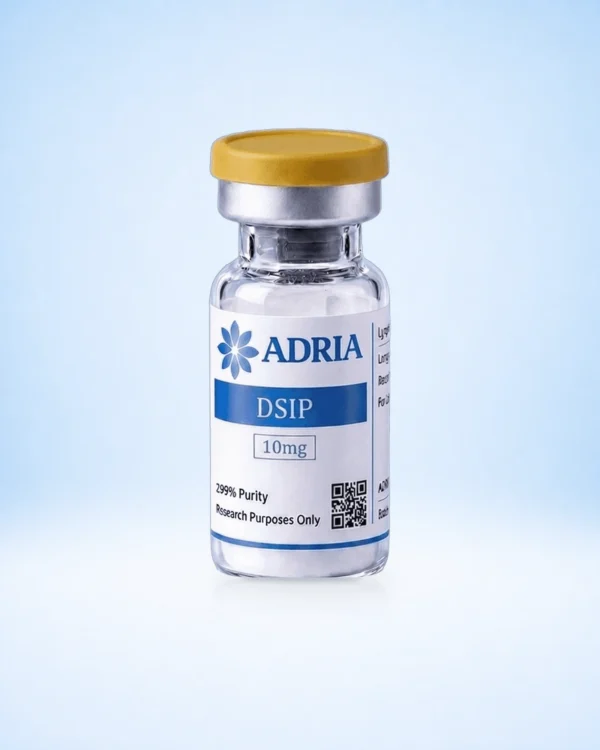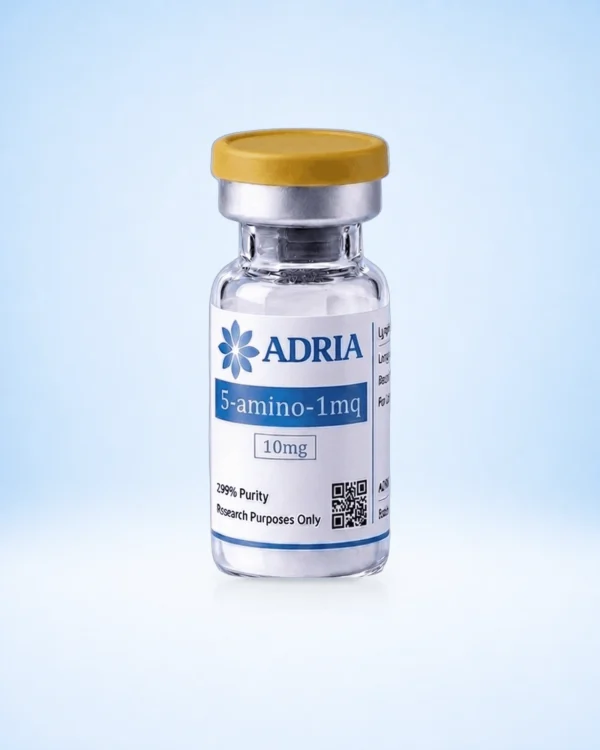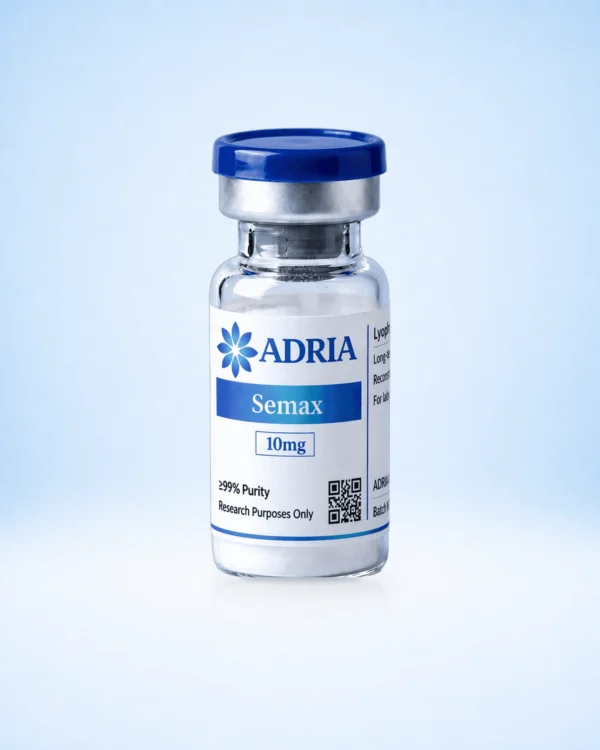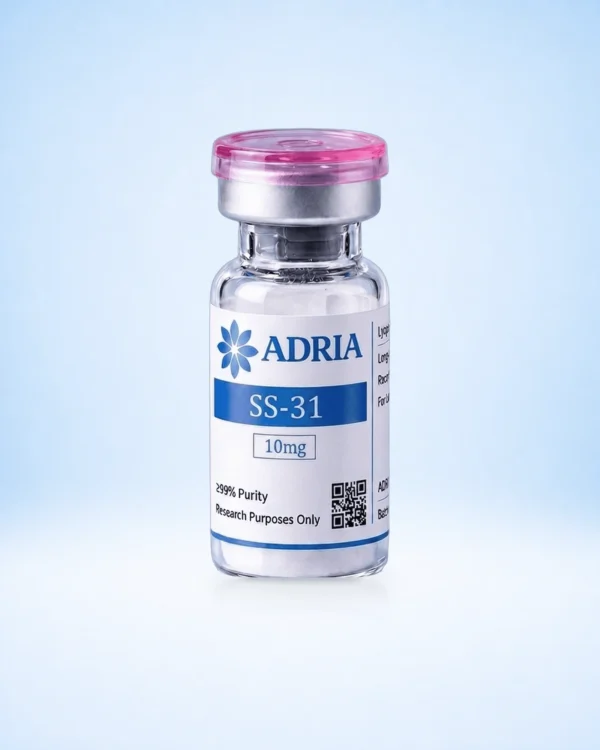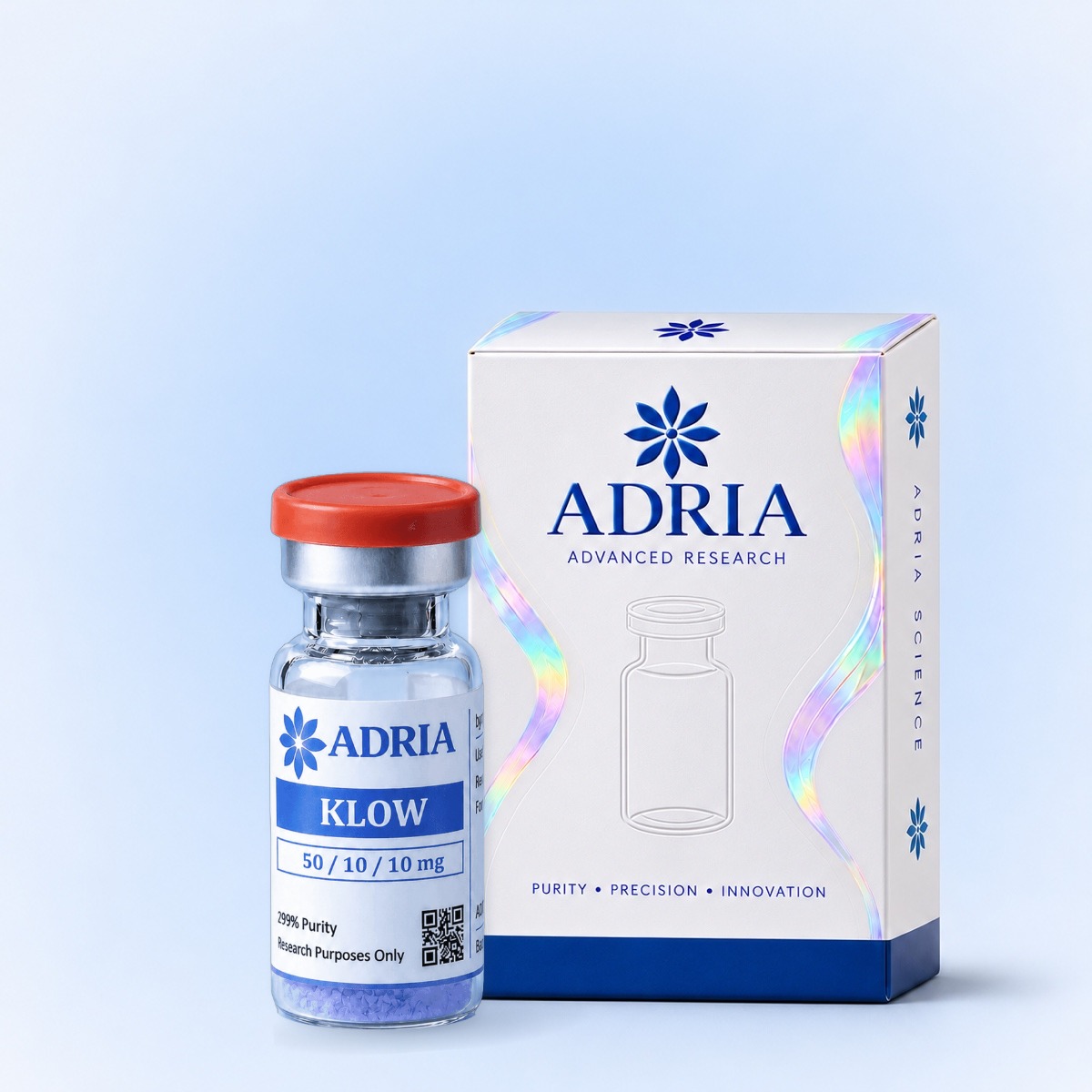
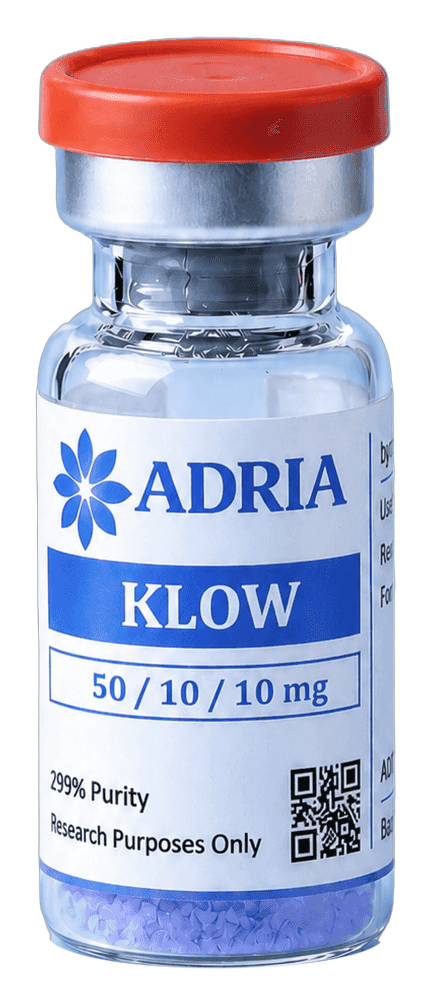
Peptide appearance
Lyophilized form helps protect peptide quality. Peptides are supplied as a dry powder, which may look like a compact "puck" or a lighter powder inside the vial.
Because the peptide is dry, it does not require refrigerated shipping during normal transit, including warm seasonal conditions. For longer storage, follow the storage guidance in the product description.
Appearance can vary. The stated peptide content is checked through third-party analysis.
Read more in the product description.
Solution not bundled
Peptides are delivered as lyophilized powder. This dry form helps preserve peptide quality during storage and transport and does not require refrigerated shipping during normal transit.
To prepare a solution, use a solvent such as Bacteriostatic water. It is sold separately, so add it only when you need it for peptide preparation.
Read more in the product description.
Dermal
KLOW
Low stock
Order within — to ship today
Arrives 26 – 30 November to Europe


 Shown at checkout
KLOW
118,50 €
GHK-Cu, BPC-157, TB-500, and KPV blend for broad tissue-pathway comparison.
Compound information
Specifications
Molecular profile
- Sequence
- GHK-Cu: Gly-His-Lys; BPC-157: Gly-Glu-Pro-Pro-Pro-Gly-Lys-Pro-Ala-Asp-Asp-Ala-Gly-Leu-Val; TB-500 (thymosin beta-4): Ac-Ser-Asp-Lys-Pro-Asp-Met-Ala-Glu-Ile-Glu-Lys-Phe-Asp-Lys-Ser-Lys-Leu-Lys-Lys-Thr-Glu-Thr-Gln-Glu-Lys-Asn-Pro-Leu-Pro-Ser-Lys-Glu-Thr-Ile-Glu-Gln-Glu-Lys-Gln-Ala-Gly-Glu-Ser-OH; KPV: Lys-Pro-Val.
- Molecular mass
- GHK-Cu: 401.91 g/mol; BPC-157: 1419.54 g/mol; TB-500 (thymosin beta-4): 4963.49 g/mol; KPV: 342.43 g/mol.
- CAS number
- GHK-Cu: 89030-95-5; BPC-157: 137525-51-0; TB-500 (thymosin beta-4): 77591-33-4; KPV: 67727-97-3.
- Molecular formula
- GHK-Cu: C14H22CuN6O4; BPC-157: C62H98N16O22; TB-500 (thymosin beta-4): C212H350N56O78S; KPV: C16H30N4O4.
Material record
- Physical appearance
- Blue to blue-green lyophilized blend
- Solubility
- Soluble in bacteriostatic water and suitable aqueous laboratory solvents.
- Product note
- Four-component blend containing GHK-Cu, BPC-157, full-length thymosin beta-4, and KPV; supplied strictly for research use only.
Research overview
KLOW
KLOW Peptide is an advanced multi-component regenerative peptide complex developed for research applications in tissue repair, skin health, inflammation control, and cellular regeneration.
This upgraded formulation combines four extensively studied peptides: GHK-Cu , TB-500 , BPC-157 , and KPV . Each peptide contributes a distinct biological mechanism, creating a highly synergistic profile suitable for comprehensive regeneration and rejuvenation studies.
GLOW Peptide is particularly relevant for experimental models focused on collagen remodeling, wound healing, inflammatory modulation, and epithelial barrier recovery.
Eenhanced synergistic potential of this next-generation peptide complex: (Go to each product for details description of each)
Key Research Findings
- GHK-Cu (50 mg): A copper-binding peptide studied for its role in collagen and elastin synthesis, angiogenesis, and improvement of skin structure and elasticity through copper-mediated tissue repair pathways.
- TB-500 (10 mg): A synthetic fragment of thymosin beta-4 known to promote cell migration, cytoskeletal organization, and wound healing, supporting soft tissue regeneration and recovery.
- BPC-157 (10 mg): A stable pentadecapeptide researched for its gastroprotective, neuroprotective, and angiogenic properties, with particular relevance to tendon, ligament, and vascular healing.
- KPV (10 mg): A tripeptide fragment of alpha-MSH investigated for its potent anti-inflammatory and immunomodulatory effects, including regulation of cytokine activity and support of epithelial integrity.
- Synergistic Effect: The combined action of these four peptides may enhance fibroblast activity, reduce oxidative stress, suppress inflammatory signaling, and accelerate cellular regeneration more effectively than individual compounds alone.
- This advanced combination makes GLOW Peptide a preferred research compound for studies involving: Skin rejuvenation
- Wound healing
- Soft tissue and vascular repair
- Inflammation control and epithelial recovery
- Cellular regeneration and tissue remodeling
Detailed Mechanism of Action: Four-Peptide Synergy
When you buy KLOW blend, you are buying a formulation designed around a four-phase model of tissue repair: inflammation resolution, cellular proliferation, matrix remodeling, and immune support. Each peptide contributes distinct, non-redundant mechanisms to each phase, which is what makes KLOW more comprehensive than any single-peptide vial or standard three-component blend.
BPC-157 (Body Protection Compound-157) is a 15-amino-acid stable gastric pentadecapeptide (CAS 137525-51-0). Its primary mechanisms include VEGFR2 activation for angiogenesis, FAK-paxillin pathway stimulation for tendon fibroblast migration, and nitric oxide system modulation for blood flow to injured tissue.
Published animal models document BPC-157 activity across gastrointestinal, tendon, ligament, muscle, bone, nerve, spinal cord, cornea, and vascular tissues — the first layer of the stack you get when you buy KLOW blend. See our BPC-157 research guide for the full literature.
GHK-Cu (Glycyl-L-Histidyl-L-Lysine copper complex, MW 403.93 Da, CAS 49557-75-7) is the highest-concentration component at 50mg per vial. Endogenous GHK-Cu declines from roughly 200 ng/mL at age 20 to around 80 ng/mL at age 60, correlating with reduced regenerative capacity.
GHK-Cu modulates over 4,000 human genes — including those governing collagen synthesis, matrix metalloproteinase regulation, anti-inflammatory signaling, and stem cell activation — and penetrates the stratum corneum in bioactive quantities. That dermal relevance is why skin-research labs often buy KLOW blend rather than a single-peptide vial. Learn more in our complete GHK-Cu guide.
TB-500 (synthetic Thymosin Beta-4 fragment, approximately 4,963 Da) is the 43-amino-acid actin-binding peptide found in virtually all nucleated mammalian cells. It sequesters G-actin monomers to drive cytoskeletal remodeling, increases keratinocyte migration 2–3-fold at picogram concentrations, stimulates cardiac progenitor cells after ischemic injury, and reduces myofibroblast-driven scarring. Read our TB-500 guide for the complete mechanism.
KPV (Lys-Pro-Val, MW 342.43 Da) is the C-terminal tripeptide of α-MSH. Despite its three amino acids, KPV retains the anti-inflammatory potency of the parent hormone without its pigmentation effects. It suppresses NF-κB, lowers TNF-α, IL-6, and IL-1β production, and inhibits S. aureus colony formation and C. albicans germ-tube formation at picomolar concentrations.
This fourth pathway is the reason researchers buy KLOW blend over the three-peptide GLOW formulation for inflammatory-context work.
Published Research Behind the KLOW Blend
Each component you receive when you buy KLOW blend has an independent peer-reviewed research record spanning decades of in vitro and animal studies. Seiwerth et al. (2021, Front Pharmacol) comprehensively reviewed BPC-157 wound healing evidence across multiple tissue types.
Chang et al. (2011, J Appl Physiol) showed BPC-157 promotes tendon fibroblast outgrowth and survival under oxidative stress via the FAK-paxillin pathway, and Mikus et al. (2001) found that topical BPC-157 cream improved burn-wound healing in mice.
Pickart and Margolina (2018, Int J Mol Sci) published the definitive review of GHK-Cu’s regenerative and protective actions, documenting gene-expression effects across skin, organ, and systemic research contexts. For TB-500, Malinda et al. (1999, J Invest Dermatol) reported a 2–3-fold increase in keratinocyte migration and faster re-epithelialization in full-thickness rat wounds, while Ehrlich and Hazard (2010) documented reduced myofibroblast formation in connective tissue repair.
For KPV, Cutuli et al. (2000, J Leukoc Biol) demonstrated S. aureus and C. albicans inhibition without reducing neutrophil bactericidal capacity, and Singh and Mukhopadhyay (2014) reviewed α-MSH-derived peptides as anti-inflammatory antimicrobials. Dalmasso et al. (2008, Gastroenterology) showed KPV delivery via the PepT1 transporter with measurable anti-inflammatory effects on colonic mucosa — a key reason gut-focused labs buy KLOW blend for gut health research.
Why Choose KLOW Peptide?
- KLOW Peptide combines the collagen-stimulating effects of GHK-Cu , the regenerative support of TB-500 , the protective healing properties of BPC-157 , and the anti-inflammatory modulation of KPV in one balanced, synergistic formulation.
For laboratory purposes and personal observation only. Not for human consumption.
Laboratory care
Handling
Peptides in transport
Peptides in lyophilized form are supplied in glass vials by standard shipping methods and do not require refrigeration. Short-term temperature fluctuations during transport will not reduce their quality and efficacy. Even at high summer temperatures, the peptides in lyophilized form are stable for several weeks.
Storage of lyophilized peptides
Lyophilized peptides should be stored in a dry place, protected from light and moisture. The following storage conditions are generally recommended:
- Room temperature (15–25 °C): Up to 3 months
- Refrigerated (2–8 °C): Up to 6 months
- Frozen (-20 °C or below): 3–5 years (recommended for long-term storage)
Allow the vial to reach room temperature after taking it out of the refrigerator or freezer.
Storage of reconstituted peptides
Once reconstituted, peptide solutions are generally less stable than their lyophilized form and should be stored under refrigerated conditions whenever possible.
The following storage conditions are generally recommended:
- Room temperature (15–25 °C): Avoid prolonged storage
- Refrigerated (2–8 °C): Typically 4–8 weeks
- Frozen (-20 °C or below): Up to 3–4 months
To preserve peptide integrity, avoid repeated freeze–thaw cycles, as these may accelerate peptide degradation.
Important: Most manufacturers recommend discarding reconstituted peptides within 4 weeks when stored at 2–8 °C. This recommendation is intentionally conservative and may not reflect the actual chemical stability of every peptide. In our own stability studies, many peptides reconstituted in bacteriostatic water showed no detectable degradation after 12 weeks of refrigerated storage. As peptide stability is highly sequence- and formulation-dependent, this result should not be extrapolated to all peptides without supporting stability data.
Analytical documentation
Tests
Latest published result
Liquilabs s.r.o.Signed Certificate of Analysis · 80mg (GHK-Cu 50mg + BPC-157 10mg + TB-500 10mg + KPV 10mg)
See reportPurity by HPLC
Recorded QC panel
- BPC-157 AssayPeptide screening
- 11.10 mg
- GHK-Cu AssayPeptide screening
- 58.8 mg
- KPV AssayPeptide screening
- 9.48 mg
- BPC-157 Identity (RT)Retention time
- 0.994
- GHK-Cu Identity (RT)Retention time
- 0.998
- KPV Identity (RT)Retention time
- 0.996
- Thymosin Beta 4 (TB-500) AssayPeptide screening
- 12.89 mg
- Thymosin Beta 4 (TB-500) Identity (RT)Retention time
- 0.994
These are the latest published results for this strength. The batch number is printed on each vial. Your supplied batch is confirmed against the matching published record when your order is allocated.
Source record
References
National Center for Biotechnology Information
PubChem Compound Summary: GHK-Cu
Identity record for the GHK-Cu component.
PubChem View source ↗National Center for Biotechnology Information
PubChem Compound Summary: BPC-157
Identity record for the BPC-157 component.
PubChem View source ↗National Center for Biotechnology Information
PubChem Compound Summary: Thymosin beta 4
Identity record for the TB-500 component.
PubChem View source ↗National Center for Biotechnology Information
PubChem Compound Summary: Lys-Pro-Val
Identity record for the KPV component.
PubChem View source ↗National Center for Biotechnology Information
PubChem Databases
PubChem View source ↗National Center for Biotechnology Information
PubChem compound record
PubChem View source ↗PubMed Search
View source ↗Dalmasso G, Charrier-Hisamuddin L, Nguyen HT, Yan Y, Sitaraman S, Merlin D · 2008
PepT1-mediated tripeptide KPV uptake reduces intestinal inflammation
Gastroenterology View source ↗Luger TA, Brzoska T · 2007
alpha-MSH related peptides: a new class of anti-inflammatory and immunomodulating drugs
Annals of the rheumatic diseases View source ↗Xiao B, Xu Z, Viennois E, Zhang Y, Zhang Z, Zhang M, Han MK, Kang Y, Merlin D · 2017
Orally Targeted Delivery of Tripeptide KPV via Hyaluronic Acid-Functionalized Nanoparticles Efficiently Alleviates Ulcerative Colitis
Molecular therapy : the journal of the American Society of Gene Therapy View source ↗Customer reviews

Quality products,fast shipping,great refferal plan,only downside is that products in 4 mounths since my first order got more and more expensive ,but overall verry good experience.
Read full review →More than 2 weeks for package dispatch. They promised one free peptide next time. Sent me new tracking number but package still wasn't delivered to fedex. Last package (much much cheaper) was delivered in less than week. I will update if they will send my package. ok,package sent.
Read full review →Extremely satisfied with the product quality and overall experience. The customer service is polite and quick. All recommendations!
Read full review →Great service!
Read full review →Always on time and customer care is super great
Read full review →Fast good, and quality is perfect
Read full review →ordered 3 times now and everything ok every time.
Read full review →Trustworthy site with a huge catalog of products. Been purchasing from them for some time now never got disappointed. I could only recommend them.
Read full review →Great quality product
Read full review →Everything was great, super customer support, honest, reliable
Read full review →Everything ok. With little problem with package, but after contact with Customer Service everything went right. Good quality of products
Read full review →Excellent. Buying peptides online can be nerve wracking! But Adria are very transparent about all the checks and certifications. My experience with them was excellent. Great products at good prices and efficient P&P
Read full review →Continue exploring