
COA and batch documentation
Peptide Research Evidence Map: From Mechanism Papers to Batch Documentation
A broad peptide research article reframed around evidence tiers, peptide characterization, delivery constraints, and why documentation matters more than hype.
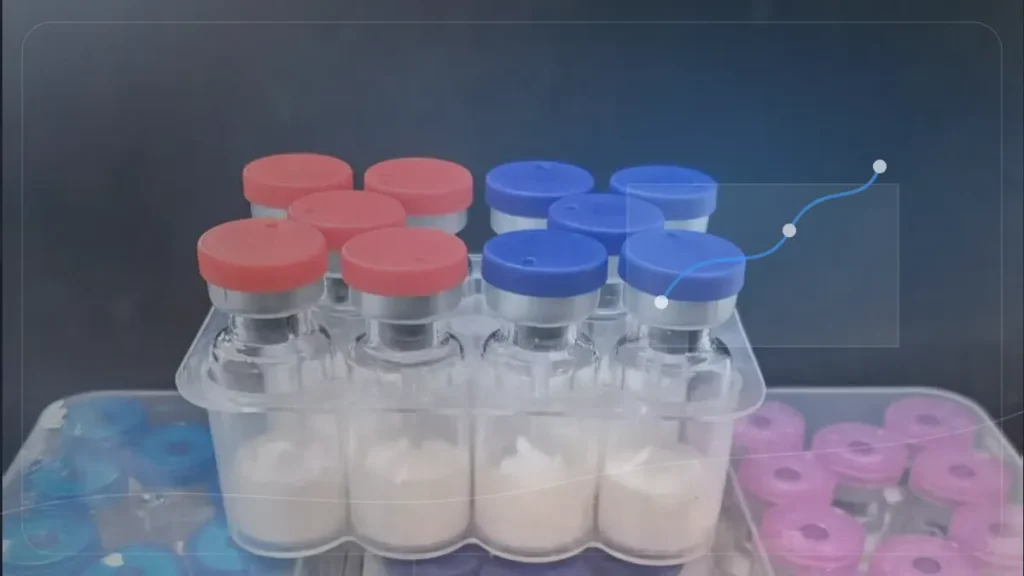
Peptide research is a large field, but broad claims about healing, regeneration, immunity, sleep, fat loss, or muscle growth do not belong on an Adria research-use article. A better overview explains how evidence is built.
Evidence tiers matter
Modern reviews show that peptide science spans discovery, synthesis, modification, delivery, characterization, and many different model systems. A mechanism paper, an in vitro assay, a mouse model, a formulation study, and a translational trial answer different questions. They should not be treated as the same level of evidence.
For Adria, the useful framing is peptide identity, physicochemical properties, route-independent laboratory handling, formulation constraints, assay design, and analytical documentation. This is more professional than presenting a list of supposed benefits.
Documentation context
Researchers should connect every peptide to its batch number, COA, storage instructions, and source map. For modified or analog peptides, sequence and salt or form details can be just as important as the product name.
Adria research-use note
This article is general research context only. It does not provide non-laboratory-use, non-laboratory-use, supplement, practical-use, medical, cosmetic, or therapeutic guidance.
Evidence checkpoints for this topic
Peptide Research Evidence Map is most useful in the archive when it is read through analytical documentation, peptide identity, storage, formulation, purification, and traceability.
In this article, sources such as Therapeutic peptides: current applications and future directions, Peptide physicochemical characterization and delivery review, Peptides for vaccine-development research context should be read for their specific methods, endpoints, and limits.
- Model: check the material record: sequence, batch number, analytical method, storage condition, excipient context, and handling window.
- Endpoint: record identity confirmation, purity profile, HPLC/LC-MS style documentation, formulation notes, stability risk, and chain-of-custody records.
- Comparator: verify whether a statement is based on supplier documentation, analytical method, shipping condition, or a literature source.
- Documentation: keep sequence identity, batch traceability, COA context, storage condition, and source link together.
- Limit: keep visible why procurement and documentation articles should be operationally specific instead of promotional.
What a careful reader can take from it
The practical value of this post is the structure it gives to the literature. Instead of treating every source as equal, the reader can separate the question being asked, the method used to ask it, and the claim that can reasonably follow. That is especially important in peptide topics, where online summaries often compress receptor data, model endpoints, supplier documentation, and broad interpretation into one sentence.