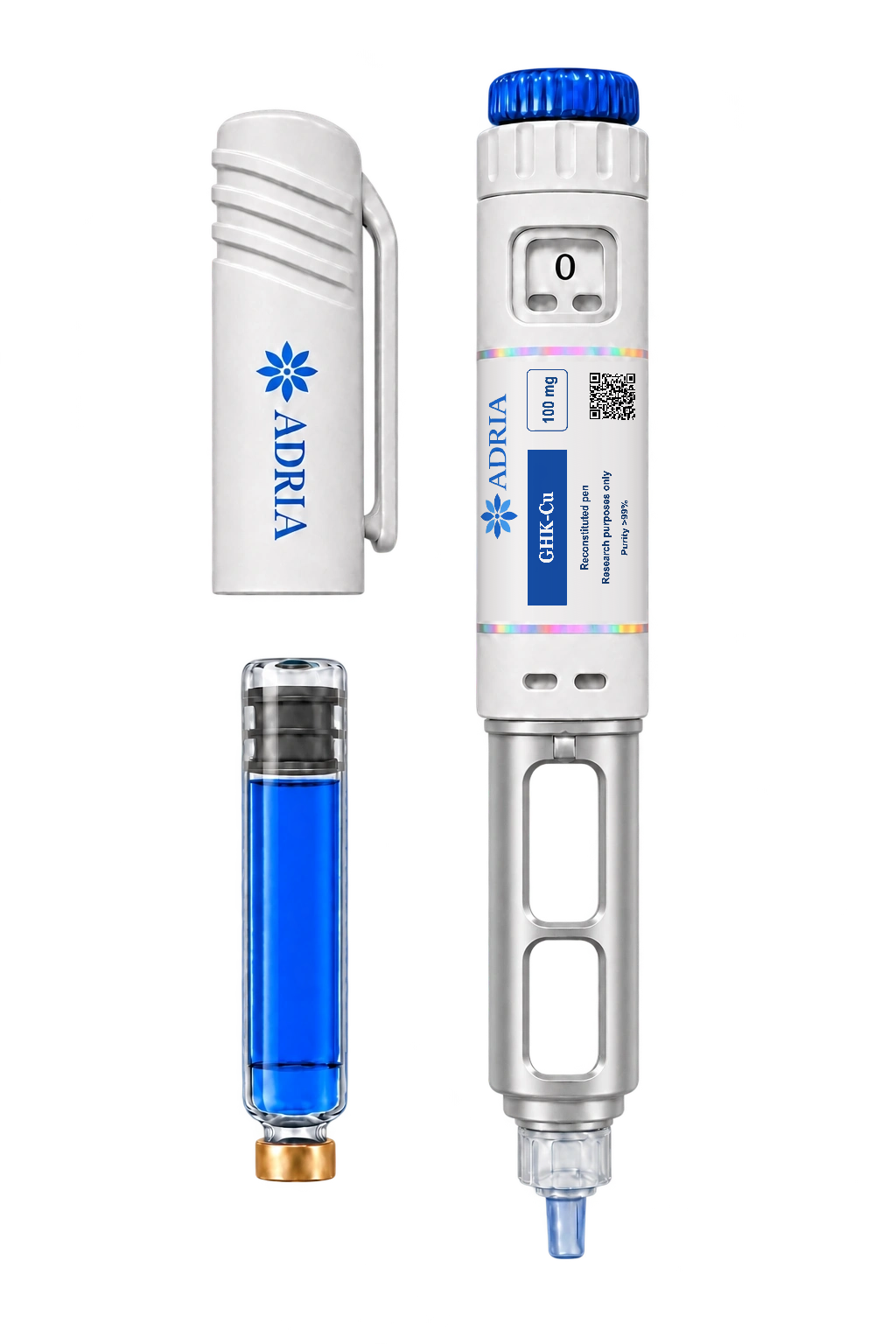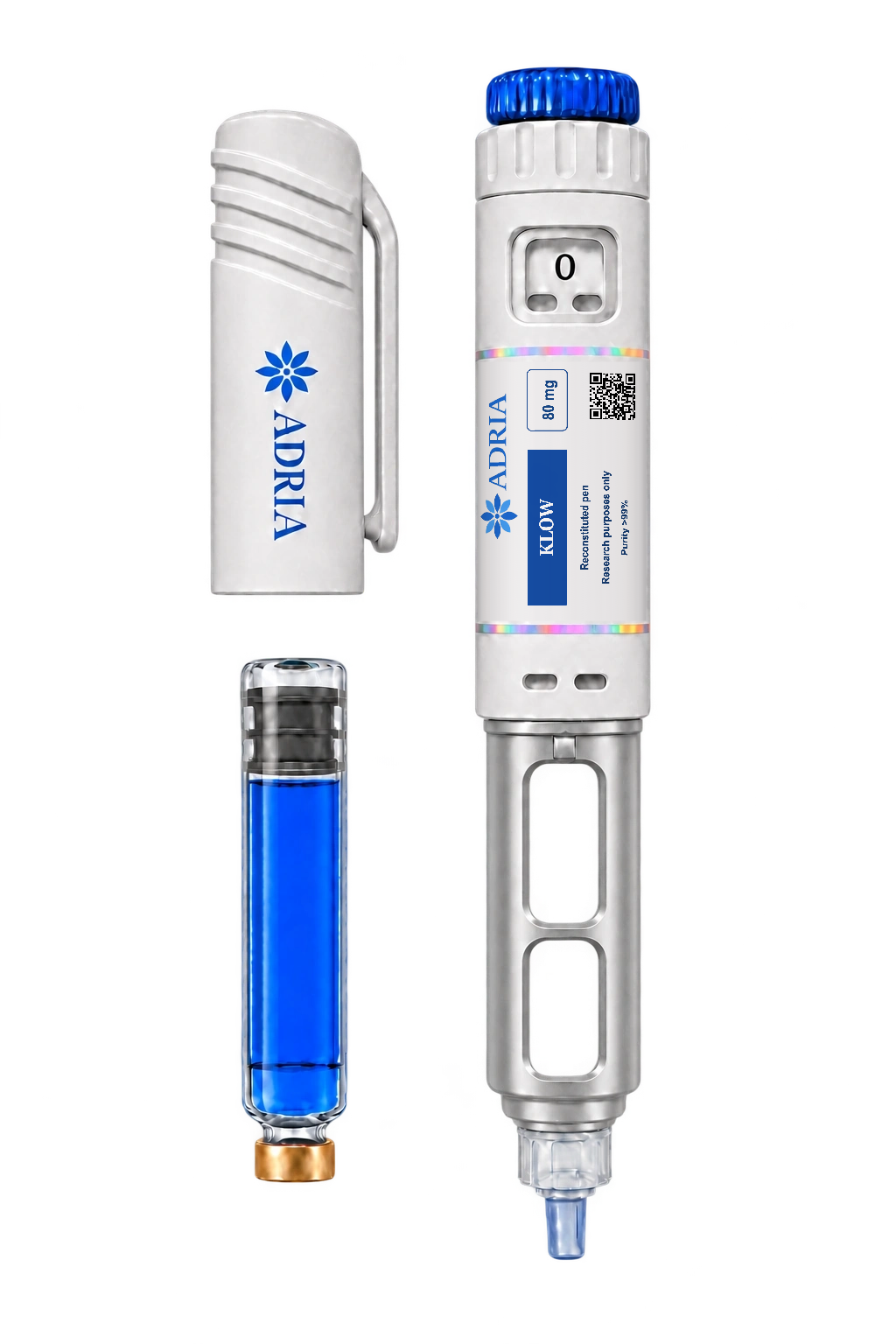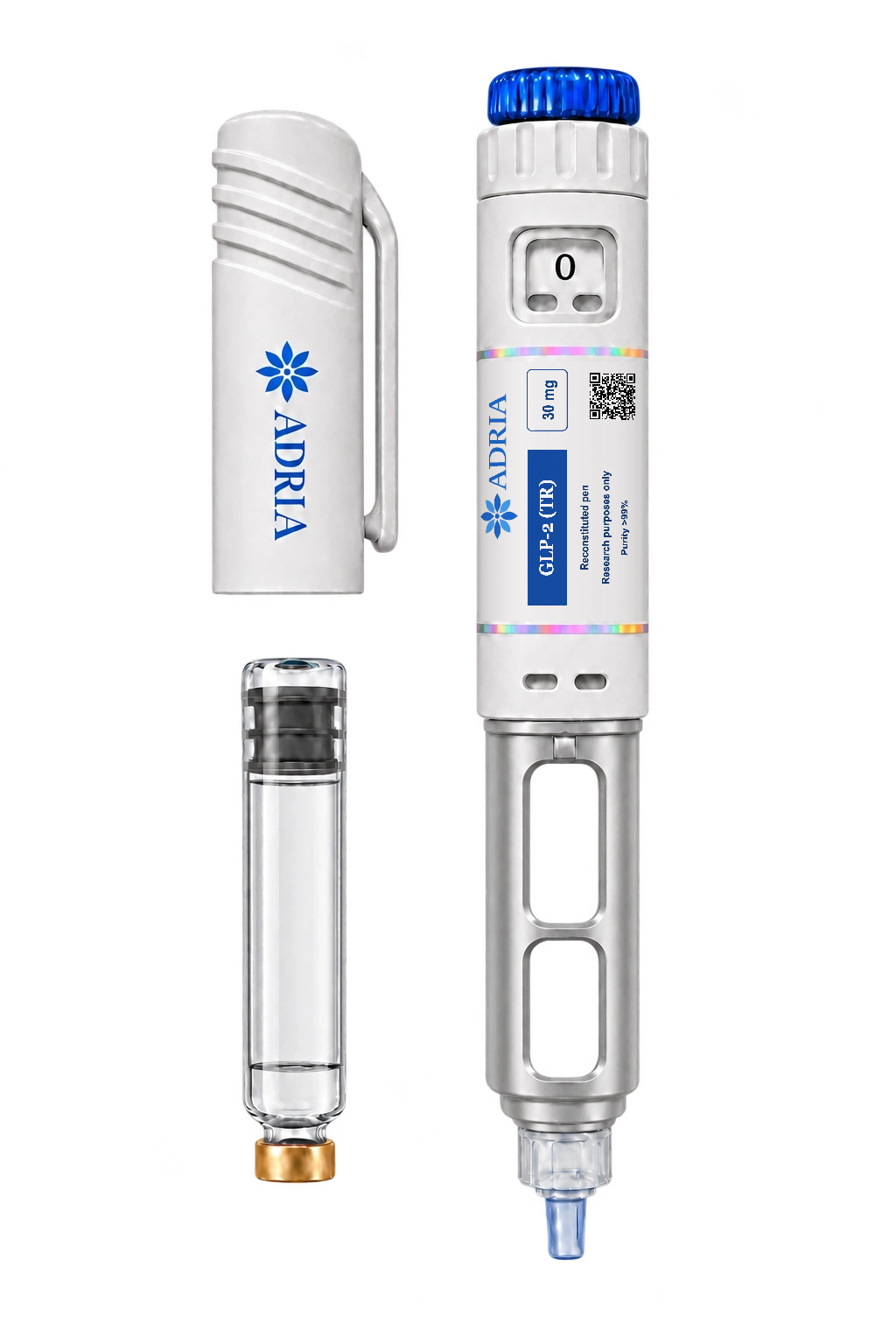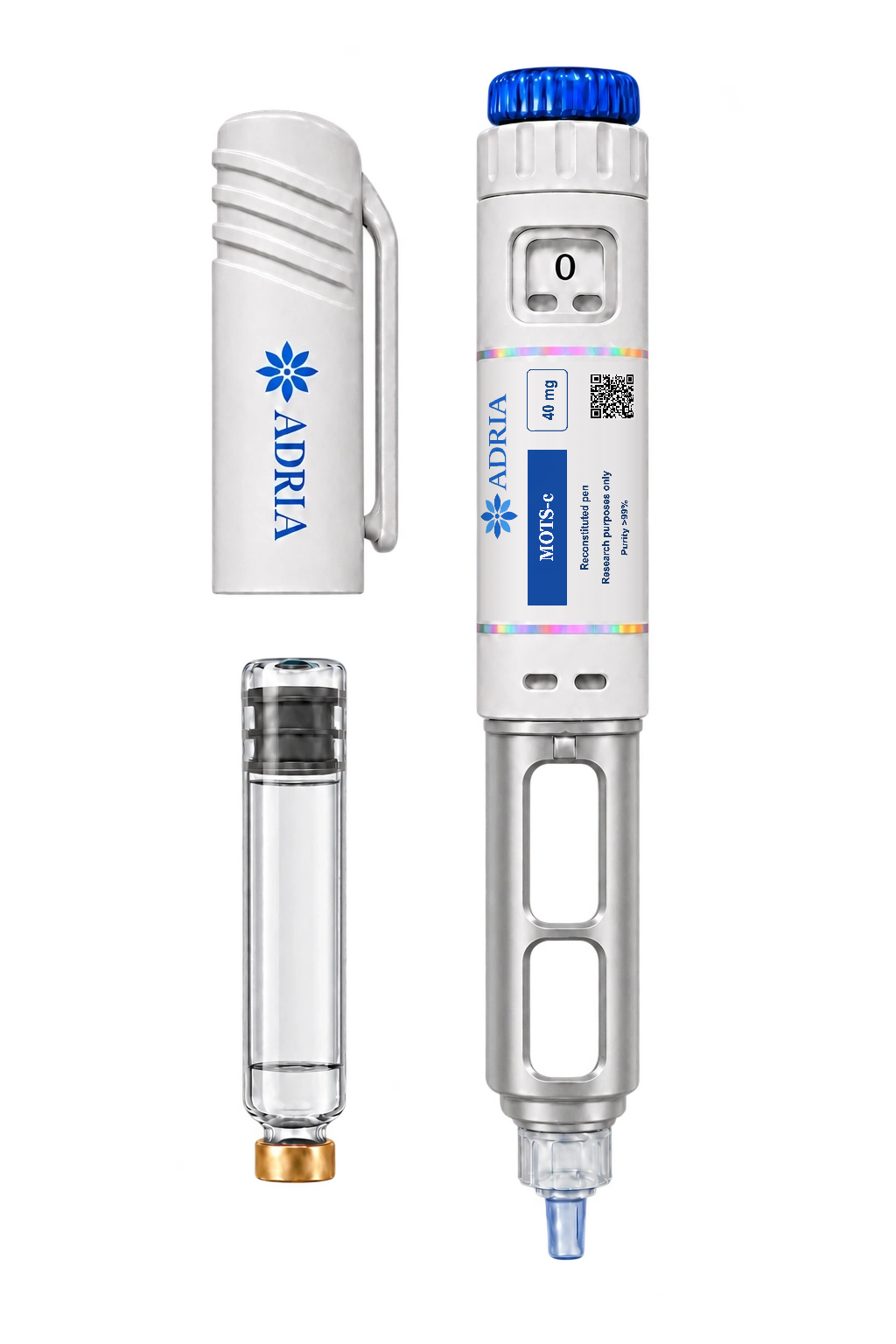
Temperature control
All peptide pen orders are securely packed in thermally insulated packaging to help reduce temperature fluctuations during transport. Our MSSPT formulation approach is designed to support peptide stability during transport and storage. After delivery, follow the storage conditions stated for your pen.
MSSPT technology
MSSPT is ADRIA’s formulation approach for liquid peptide research materials. It brings together buffer and stabilizer selection with attention to light, oxidation, transport and storage conditions.
Performance depends on the specific compound, formulation and cartridge. Product-specific stability duration is not established by general ingredient studies.
Weight Loss Research · Peptide Pens
GLP-3 (Retatrutide) Pen
In stock
Order within — to ship today
Arrives 26 – 30 Nov. to Europe


 Shown at checkout
GLP-3 (Retatrutide) Pen
Price range: 170,00 € through 323,00 €
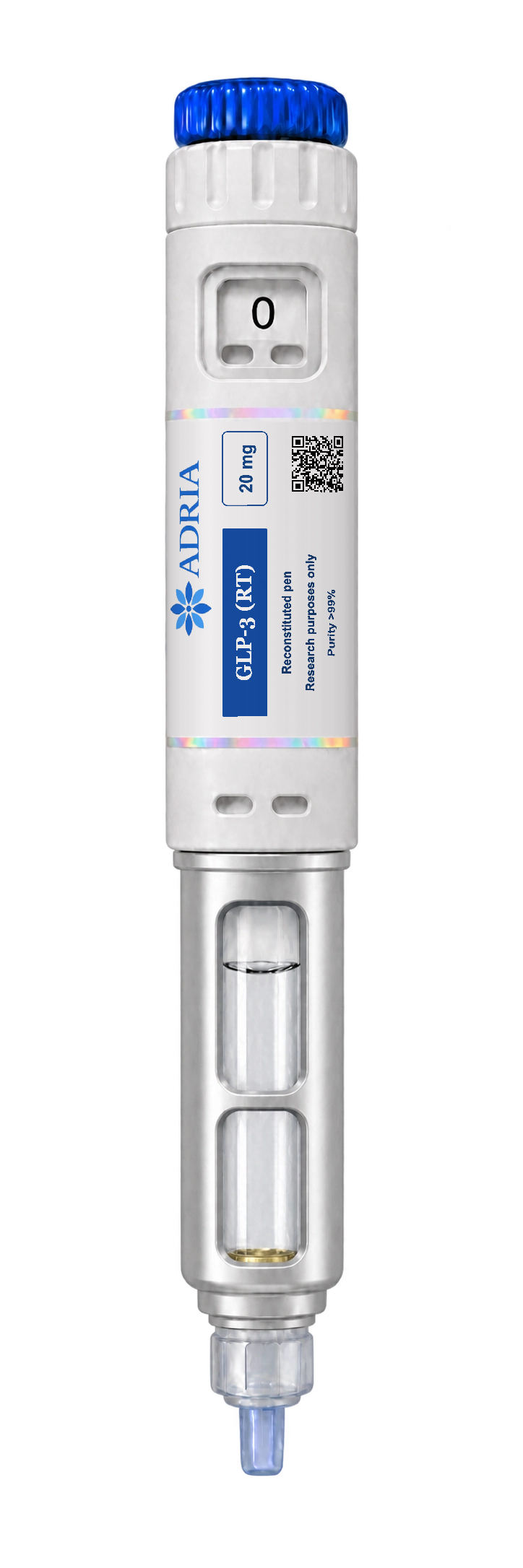
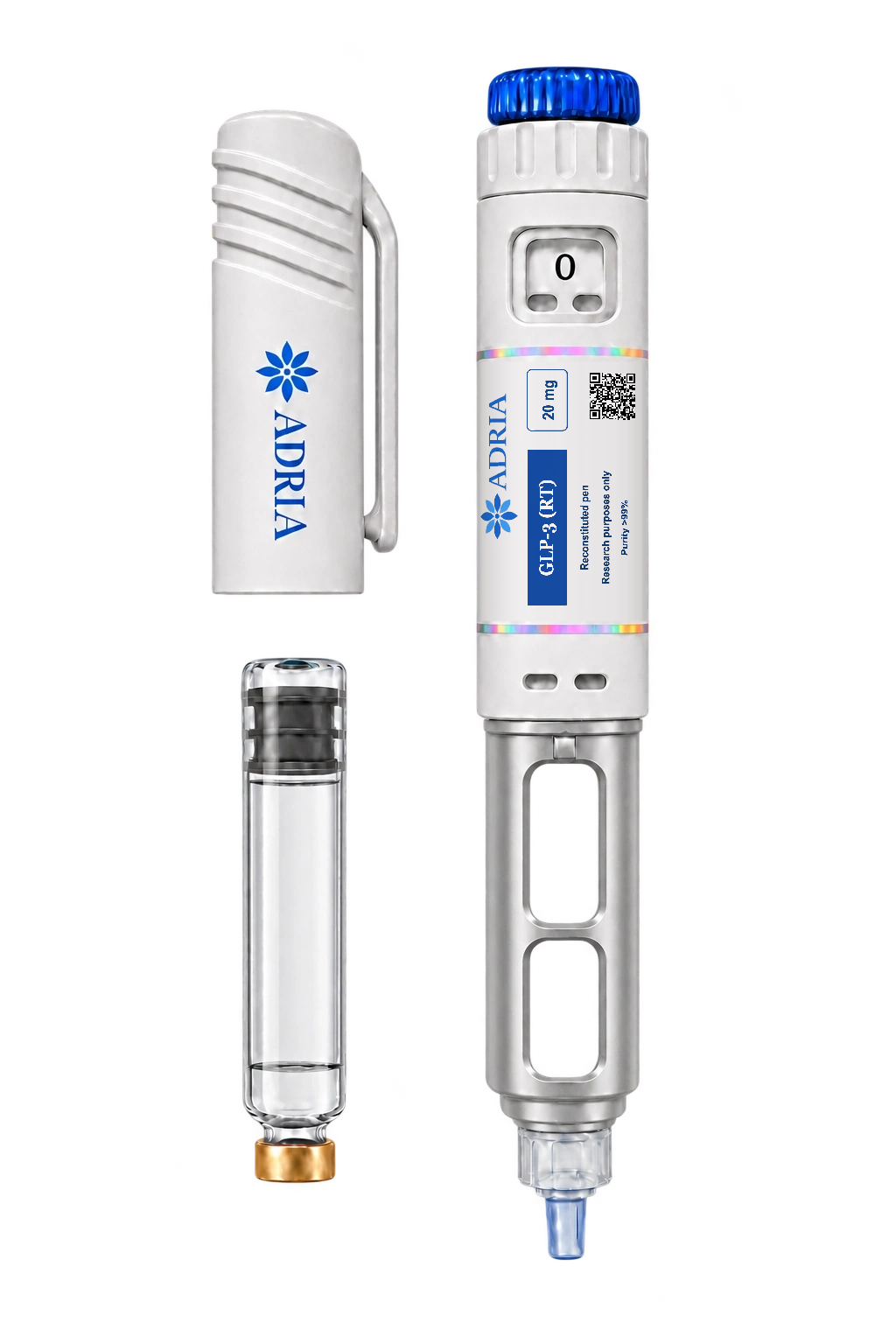
The ADRIA GLP-3 (Retatrutide) Pen offers a simple, convenient, and precise way to work with Retatrutide in research settings. As a triple GLP-1/GIP/GCGR agonist, Retatrutide is one of the most advanced and powerful compounds for studies involving metabolic regulation, appetite signaling, glucose control, and body-weight modulation.
Compound information
Specifications
Molecular profile
- Sequence
- Y-Aib-QGTFTSDYSI-alphaMeLeu-LDKK(AEEA-gamma-Glu-C20 diacid)-AQAibAFIEYLLEGGPSSGAPPPS-NH2
- Molecular mass
- 4731.4 g/mol
- CAS number
- 2381089-83-2
- Molecular formula
- C221H342N46O68
Material record
- Physical appearance
- Pre-mixed solution in a cartridge (planned pen format).
- Solubility
- Pre-reconstituted format; no reconstitution required.
- Product note
- GLP-3 research compound; supplied strictly for research use only.
Research overview
GLP-3 (Retatrutide) Pen
Why this pen is perfect for research:
- No preparation required
- Fully pre-formulated and ready. No mixing, no vials, no risk of mistakes.
- Extremely easy to handle
- Simply turn the dial to set your amount. Ideal for researchers with no prior experience using traditional peptides.
- Clean and safe workflow
- The closed pen system keeps everything hygienic and sterile and eliminates spills or contamination.
- Precise and consistent dosing
- The built-in scale ensures accurate measurements
- Reliable, stable quality
- Every application delivers the same concentration, supporting reproducible research results.
Deitailed DESCRIPTION
GLP-3 or Retatrutide (LY3437943) is an innovative investigational peptide developed by Eli Lilly that functions as a triple agonist of the GLP-1, GIP, and GCG receptors—also referred to as a GGG triagonist. This combined receptor activation results in a synergistic effect on body weight reduction through increased energy expenditure, decreased food intake, delayed gastric emptying, and stimulation of lipolysis. Phase 2 clinical trials have demonstrated that GLP-3 can reduce body weight by up to 24.2% over a 48-week period, while also improving cardiometabolic parameters such as blood pressure, lipid profile, and insulin sensitivity. Promising outcomes observed in both preclinical and clinical populations position GLP-3 as one of the most promising candidates for the treatment of obesity and metabolic diseases, although further research remains necessary.
The GLP-1 and GIP receptors play essential roles in augmenting insulin secretion and glucose homeostasis, whereas GCG receptor engagement elevates circulating GCG levels, promoting catabolic processes. Through this triagonist mechanism, GLP-3 has been observed in studies to reduce caloric intake and influence glycemic control while also affecting energy expenditure. This comprehensive modulation of energy balance represents a novel research strategy in the investigation of obesity, type 2 diabetes, and related metabolic disorders.
Key Research Findings:
- Triple Receptor Activation: Simultaneous stimulation of GLP-1, GIP, and Glucagon receptors for enhanced metabolic efficiency.
- Appetite & Energy Regulation: Influences central mechanisms of appetite control and promotes caloric expenditure.
- Glucose & Lipid Metabolism: Supports improved insulin sensitivity, glucose homeostasis, and fat oxidation.
- Body Composition: Studied for its potential to reduce body fat while preserving lean mass.
Why Choose Retatrutide?
- Retatrutide is one of the most advanced multi-agonist peptides currently under investigation.
- Through its synergistic activation of GLP-1, GIP, and Glucagon receptors, it provides unique insights into the hormonal regulation of energy balance, fat metabolism, and appetite control.
Order Retatrutide and explore its potential in the next generation of metabolic and weight management research.
Overview of Published Research:
GLP-3 represents a novel generation of research compounds in the anti-obesity and antidiabetic field, characterized by its unique mechanism of action involving the simultaneous activation of three metabolically relevant receptors: the GCG-like peptide-1 receptor (GLP-1R), the glucose-dependent insulinotropic polypeptide receptor (GIPR), and the GCG receptor (GCGR). This triple agonism allows for an integrated modulation of key pathways regulating body weight and metabolic homeostasis. GLP-1 and GIP are incretin hormones that have been shown to influence insulin secretion, appetite, and glycemic control, while GCG primarily stimulates lipolysis, increases energy expenditure, and promotes fatty acid oxidation. As a synthetic peptide with an extended half-life, GLP-3 consolidates these effects into a once-weekly injectable formulation studied in clinical trials.
The activity of GLP-3 has been evaluated in several randomized phase 2 clinical trials, demonstrating significant weight reduction. After 48 weeks of treatment, participants receiving 8 mg and 12 mg doses experienced a mean body weight reduction of 22.8% and 24.2%, respectively—an outcome comparable to bariatric surgery. Additional observations included decreases in body mass index (BMI), waist circumference, fasting plasma glucose, HbA1c, and blood pressure. These effects were dose-dependent and particularly pronounced at higher doses. Notably, GLP-3 also exerted a substantial impact on hepatic steatosis, with liver fat volume reduced by up to 82.4% at 12 mg after 24 weeks. A considerable proportion of participants achieved a liver fat content below the threshold for steatosis (<5%), indicating research promise for metabolic liver diseases such as nonalcoholic steatohepatitis (NASH).
Given the high global prevalence of obesity and its strong association with type 2 diabetes and other chronic diseases, GLP-3 emerges as a highly promising research candidate. Ongoing phase 3 trials aim to further establish its long-term safety profile and observed activity. If positive, GLP-3 may be positioned as one of the most significant research innovations in the obesity field in recent decades.
Recent phase 2 clinical trial data evaluating the activity and safety of GLP-3 in subjects with type 2 diabetes demonstrate its pronounced effects on both glycemic control and body weight reduction. In one of the studies, patients with a mean baseline body mass index (BMI) of 35.3 kg/m² and an average HbA1c of 8.3% were randomized to receive varying doses of GLP-3 (ranging from 1 mg to 12 mg) or placebo over a 36-week study period. GLP-3 exhibited a clear dose-dependent reduction in HbA1c, with the highest dose (12 mg) achieving a mean HbA1c reduction of 2.16 percentage points from baseline, compared to only 0.43% in the placebo group—an effect that was statistically highly significant.
In addition to glycemic changes, a substantial reduction in body weight was also observed. Participants receiving the 12 mg dose of GLP-3 experienced a weight loss of up to 16.94%, corresponding to approximately 17.5 kg, while the placebo group showed a reduction of only 3.29%. The weight loss was consistent throughout the study period and showed a continued downward trend beyond week 36, suggesting a potential for sustained long-term activity. These findings highlight the dual observations with GLP-3 in subjects with type 2 diabetes, combining pronounced glucose-lowering effects with notable anti-obesity properties—particularly relevant given the strong association between obesity, insulin resistance, and impaired glycemic control.
GLP-3, as a triple agonist targeting GLP-1, GIP, and GCG receptors, holds significant promise as a research compound in the investigation of type 2 diabetes—not only through its observed influence on glycemic parameters but also via its substantial impact on weight reduction. Its activity in diabetic study populations approaches outcomes observed in individuals with obesity without diabetes, indicating its potential as a next-generation subject of investigation. These results may inform further research into more individualized approaches in subjects with diabetes and metabolic syndrome, especially in those with significant overweight or obesity.
Metabolic dysfunction-associated steatotic liver disease (MASLD), formerly known as non-alcoholic fatty liver disease (NAFLD), is the most prevalent chronic liver disorder worldwide, with an increasing incidence driven by the global rise in obesity and metabolic syndrome. Pathophysiologically, MASLD is strongly associated with insulin resistance, leading to hepatic lipid accumulation, inflammation, and in advanced stages, fibrosis and cirrhosis.
GLP-3, a novel triple agonist of the GIP, GLP-1, and GCG receptors, has demonstrated significant hepatoprotective effects in research involving individuals with MASLD. In a phase 2 substudy that included participants with hepatic fat content ≥10%, 48-week administration of GLP-3 resulted in a robust, dose-dependent reduction in liver fat. At doses of 8 mg and 12 mg, participants achieved a mean relative reduction in hepatic fat content of 81.4% and 82.4%, respectively, at week 24 (versus +0.3% in the placebo group), with normalization of liver fat content (<5%) observed in 79% and 86% of participants. These effects were sustained at week 48, with 89% and 93% of participants maintaining hepatic fat levels below the steatosis threshold. Additionally, liver volume decreased significantly, and improvements were observed in biomarkers of hepatic injury and inflammation, suggesting potential antifibrotic and anti-inflammatory properties in these models.
The hepatic effects of GLP-3 are likely mediated by multiple mechanisms. Most prominently, the substantial reduction in total and visceral adiposity is tightly linked to improved insulin sensitivity—a core pathophysiological determinant of MASLD. Enhanced insulin action decreases the influx of free fatty acids to the liver and suppresses hepatic de novo lipogenesis. Moreover, administration of GLP-3 resulted in favorable changes in metabolic parameters including glycemia, lipid profile, and inflammatory markers. Given the current lack of approved research compounds for metabolic dysfunction-associated steatohepatitis (MASH)—the progressive form of MASLD characterized by hepatocellular injury and fibrosis—GLP-3 emerges as a highly promising research candidate. Its multifaceted mechanism of action, encompassing weight reduction, metabolic normalization, and marked hepatic fat clearance, underscores its potential role in the further investigation of metabolic liver diseases.
For laboratory purposes and personal observation only. Not for human consumption.
Research material handling
Transport and storage
Pre-mixed pen format
Peptide pens are supplied as a pre-mixed solution in a cartridge. No reconstitution is required.
Temperature-controlled transport
The supplied handling specification calls for insulated, temperature-controlled packaging. The approved transit range and permitted temperature excursions must be confirmed for the finished formulation.
Storage of reconstituted peptides
Peptide pens come pre-reconstituted and should be stored under refrigerated conditions whenever possible.
The following storage conditions are generally recommended:
- Room temperature (15–25 °C): Avoid prolonged storage
- Refrigerated (2–8 °C): Typically 4–8 weeks
Important: Most manufacturers recommend discarding reconstituted peptides within 4 weeks when stored at 2–8 °C. This recommendation is intentionally conservative and may not reflect the actual chemical stability of every peptide. In our own stability studies, many peptides reconstituted in bacteriostatic water showed no detectable degradation after 12 weeks of refrigerated storage. As peptide stability is highly sequence- and formulation-dependent, this result should not be extrapolated to all peptides without supporting stability data.
Analytical documentation
Tests
Latest published result
Liquilabs s.r.o.Signed Certificate of Analysis · 10mg
99.4%Purity by HPLC
Recorded QC panel
- AssayPeptide screening
- 9.78 mg
- PurityPeptide screening
- 99.4%
- Identity (FTIR)FTIR spectrum
- 994
- Identity (RT)Retention time
- 0.995
- Bacterial EndotoxinUSP / Eur. Ph. 2.6.14
- 0.082 EU/mg
- Molecular Ion MassMS deconvolution
- 4731 Da
These are the latest published results for this strength. The batch number is printed on each vial. Your supplied batch is confirmed against the matching published record when your order is allocated.
Latest published result
Liquilabs s.r.o.Signed Certificate of Analysis · 20mg
99.4%Purity by HPLC
Recorded QC panel
- AssayPeptide screening
- 18.87 mg
- PurityPeptide screening
- 99.4%
- Identity (FTIR)FTIR spectrum
- 994
- Identity (RT)Retention time
- 0.996
- Bacterial EndotoxinUSP / Eur. Ph. 2.6.14
- 0.015 EU/mg
- Molecular Ion MassMS deconvolution
- 4731 Da
These are the latest published results for this strength. The batch number is printed on each vial. Your supplied batch is confirmed against the matching published record when your order is allocated.
Latest published result
Liquilabs s.r.o.Signed Certificate of Analysis · 30mg
99.8%Purity by HPLC
Recorded QC panel
- AssayPeptide screening
- 30.0 mg
- PurityPeptide screening
- 99.8%
- Identity (FTIR)FTIR spectrum
- 994
- Identity (RT)Retention time
- 0.996
- Bacterial EndotoxinUSP / Eur. Ph. 2.6.14
- 0.008 EU/mg
- Molecular Ion MassMS deconvolution
- 4731 Da
These are the latest published results for this strength. The batch number is printed on each vial. Your supplied batch is confirmed against the matching published record when your order is allocated.
Source record
References
„Retatrutide (LY3437943): A Novel Tri-agonist Peptide for Metabolic Disease Treatment", 2025.
Alaa Abdrabou Abouelmagd et al., „Efficacy and safety of retatrutide, a novel GLP-1, GIP, and GCG receptor agonist for obesity treatment: a systematic review and meta-analysis of randomized controlled trials", 2025.
Coskun T, Urva S, Roell WC, et al. LY3437943, a novel triple GCG, GIP, and GLP-1 receptor agonist for glycemic control and weight loss: from discovery to clinical proof of concept. Cell Metab. 2022;34(9):1234–1247.e9. doi: 10.1016/j.cmet.2022.07.013. [DOI] [PubMed]
Sanyal AJ, Kaplan LM, Frias JP, et al. Triple hormone receptor agonist retatrutide for metabolic dysfunction-associated steatotic liver disease: a randomized phase 2a trial. Nat Med. 2024;30(7):2037–2048. doi: 10.1038/s41591-024-03018-2. [DOI] [PMC free article] [PubMed] [Google Scholar]
Jastreboff AM, Kaplan LM, Frías JP, et al. Triple–hormone-receptor agonist retatrutide for obesity—a phase 2 trial. N Engl J Med. 2023;389(6):514–526. doi: 10.1056/NEJMoa2301972. [DOI] [PubMed]
Rosenstock J, Frias J, Jastreboff AM, et al. Retatrutide, a GIP, GLP-1 and GCG receptor agonist, for people with type 2 diabetes: a randomised, double-blind, placebo and active-controlled, parallel-group, phase 2 trial conducted in the USA. Lancet. 2023;402(10401):529–544. doi: 10.1016/S0140-6736(23)01053-X. [DOI] [PubMed]
Urva S, Coskun T, Loh MT, et al. LY3437943, a novel triple GIP, GLP-1, and GCG receptor agonist in people with type 2 diabetes: a phase 1b, multicentre, double-blind, placebo-controlled, randomised, multiple-ascending dose trial. Lancet. 2022;400(10366):1869–1881. doi: 10.1016/S0140-6736(22)02033-5. [DOI] [PubMed]
Coskun T, Urva S, Roell WC, et al. · 2022
LY3437943, a novel triple glucagon, GIP, and GLP-1 receptor agonist for glycemic control and weight loss: From discovery to clinical proof of concept
Discovery, molecular design, and receptor characterisation of LY3437943.
Cell Metabolism · 10.1016/j.cmet.2022.07.013 View source ↗Jastreboff AM, Kaplan LM, Frías JP, et al. · 2023
Triple–Hormone-Receptor Agonist Retatrutide for Obesity — A Phase 2 Trial
Clinical research report concerning the compound described as retatrutide.
The New England Journal of Medicine · 10.1056/nejmoa2301972 View source ↗National Center for Biotechnology Information
PubChem Compound Summary: Retatrutide
Authoritative identity record for retatrutide, also described as LY3437943.
PubChem View source ↗Goldney J, Hamza M, Surti F, Davies MJ, Papamargaritis D · 2025
Triple Agonism Based Therapies for Obesity
Current cardiovascular risk reports View source ↗Katsi V, Koutsopoulos G, Fragoulis C, Dimitriadis K, Tsioufis K · 2025
Retatrutide-A Game Changer in Obesity Pharmacotherapy
Biomolecules View source ↗Abdrabou Abouelmagd A, Abdelrehim AM, Bashir MN, Abdelsalam F, Marey A, Tanas Y, Abuklish DM, Belal MM · 2025
Efficacy and safety of retatrutide, a novel GLP-1, GIP, and glucagon receptor agonist for obesity treatment: a systematic review and meta-analysis of randomized controlled trials
Proceedings (Baylor University. Medical Center) View source ↗· 2025
Retatrutide (LY3437943): A Novel Tri-agonist Peptide for Metabolic Disease Treatment
2025Alaa Abdrabou Abouelmagd et al. · 2025
Efficacy and safety of retatrutide, a novel GLP-1, GIP, and GCG receptor agonist for obesity treatment: a systematic review and meta-analysis of randomized controlled trials
2025· 2024
Sanyal AJ, Kaplan LM, Frias JP, et al. Triple hormone receptor agonist retatrutide for metabolic dysfunction-associated steatotic liver disease: a randomized phase 2a trial. Nat Med. 2024;30(7):2037–2048. doi: 10.1038/s41591-024-03018-2. [DOI] [PMC free article] [PubMed] [Google Scholar]
· 10.1038/s41591-024-03018-2 View source ↗· 2023
Rosenstock J, Frias J, Jastreboff AM, et al. Retatrutide, a GIP, GLP-1 and GCG receptor agonist, for people with type 2 diabetes: a randomised, double-blind, placebo and active-controlled, parallel-group, phase 2 trial conducted in the USA. Lancet. 2023;402(10401):529–544. doi: 10.1016/S0140-6736(23)01053-X. [DOI] [PubMed]
· 10.1016/s0140-6736(23)01053-x View source ↗· 2022
Urva S, Coskun T, Loh MT, et al. LY3437943, a novel triple GIP, GLP-1, and GCG receptor agonist in people with type 2 diabetes: a phase 1b, multicentre, double-blind, placebo-controlled, randomised, multiple-ascending dose trial. Lancet. 2022;400(10366):1869–1881. doi: 10.1016/S0140-6736(22)02033-5. [DOI] [PubMed]
· 10.1016/s0140-6736(22)02033-5 View source ↗Customer reviews

Quality products,fast shipping,great refferal plan,only downside is that products in 4 mounths since my first order got more and more expensive ,but overall verry good experience.
Read full review →More than 2 weeks for package dispatch. They promised one free peptide next time. Sent me new tracking number but package still wasn't delivered to fedex. Last package (much much cheaper) was delivered in less than week. I will update if they will send my package. ok,package sent.
Read full review →Extremely satisfied with the product quality and overall experience. The customer service is polite and quick. All recommendations!
Read full review →Great service!
Read full review →Always on time and customer care is super great
Read full review →Fast good, and quality is perfect
Read full review →ordered 3 times now and everything ok every time.
Read full review →Trustworthy site with a huge catalog of products. Been purchasing from them for some time now never got disappointed. I could only recommend them.
Read full review →Great quality product
Read full review →Everything was great, super customer support, honest, reliable
Read full review →Everything ok. With little problem with package, but after contact with Customer Service everything went right. Good quality of products
Read full review →Excellent. Buying peptides online can be nerve wracking! But Adria are very transparent about all the checks and certifications. My experience with them was excellent. Great products at good prices and efficient P&P
Read full review →Continue exploring